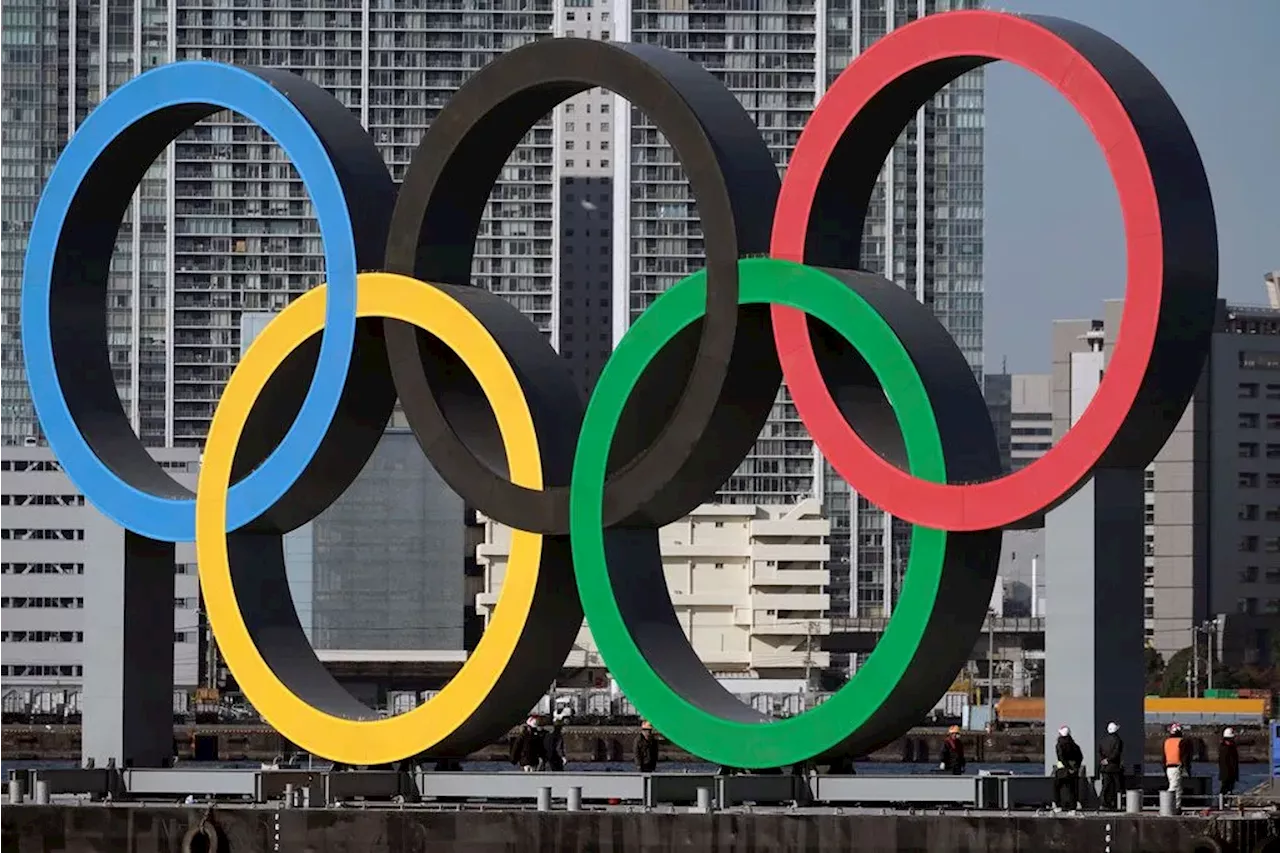
URGENT UPDATE: The International Olympic Committee (IOC) is reportedly moving towards a ban on transgender women competing in women’s sports, with a formal announcement expected in early 2024. Leaked details from an IOC meeting reveal a scientific presentation addressing the significant physical advantages male bodies possess over female athletes.
This decision comes as skepticism grows surrounding the participation of transgender athletes, particularly after an analysis showed that biological men can be up to 50% stronger and 15% faster than their female counterparts. A source involved in the IOC meeting described the presentation as “very scientific, factual, and unemotional,” highlighting the need for clarity on this contentious issue.
The implications of this potential ban are profound, affecting numerous athletes and the integrity of women’s sports. Earlier today, IOC officials emphasized that no final decision has been made; however, the committee faces increasing pressure to uphold competitive fairness in the wake of recent controversies, such as those involving athletes with Disorders of Sexual Development (DSD).
The IOC’s reassessment aligns with growing concerns about fairness in women’s competitions, particularly highlighted by the cases of Imane Khelif and Lin Yu-ting, who recently dominated their weight classes at the 2024 Olympics amidst questions regarding their eligibility. Both athletes were previously disqualified from the Women’s World Boxing Championships due to genetic testing issues, raising alarms about the safety and fairness for female competitors.
The debate intensified during the Tokyo 2020 Olympics when Laurel Hubbard, a transgender athlete, competed in women’s weightlifting. Critics argued that allowing transgender women to compete against biological women creates an uneven playing field, as seen in various sports where male athletes consistently outperform their female peers.
As the IOC prepares to address these issues, the sporting community is watching closely. The potential ban would not only redefine participation standards but also reflect a broader recognition of biological differences in athletics. The IOC has a unique opportunity to uphold the integrity of women’s sports, a critical concern expressed by many female athletes who fear for their safety and competitiveness.
In light of these developments, the coming weeks will be crucial. Stakeholders, including athletes, coaches, and governing bodies, are urged to engage in discussions about the future of women’s sports. The IOC’s decisions could reshape the landscape of athletics, affecting the lives and careers of countless athletes worldwide.
Stay tuned for further updates as this story develops, and consider the impact on the future of sports as the IOC navigates these critical challenges.