The Rock and Roll Hall of Fame celebrated the contributions of notable Jewish musicians and executives during its induction ceremony on November 8, 2023, in Los Angeles. Among those honored were acclaimed musician Warren Zevon, who received the Musical Influence Award posthumously, along with record executive Lenny Waronker and bassist Carol Kaye.
Comedian David Letterman, a long-time friend of Zevon, took the stage to pay tribute to the late artist. During Zevon’s final appearance on Letterman’s “Late Show” in 2002, he performed “Keep Me in Your Heart” while battling a terminal illness. Letterman brought Zevon’s beloved guitar to the ceremony, highlighting the emotional connection he had maintained with the instrument for over two decades.
“By God, tonight it’s going back to work,” Letterman remarked as he handed the guitar to Dave Keuning of the band Killers. The audience responded warmly to Letterman’s anecdotes about Zevon’s life, including his study with classical composer Igor Stravinsky and stories about his upbringing.
Waronker, aged 84, was recognized for his significant impact in the music industry, particularly through his roles at Warner Bros. and DreamWorks Records. He is the son of Liberty Records founder Simon Waronker and has deep roots in a network of Jewish figures who shaped the music business. According to historical scholar Jonathan Karp, “Jews were important even before the recording industry started,” emphasizing their roles not just as performers but as entrepreneurs and innovators.
Karp noted that in the 1940s and 50s, Jewish individuals played a crucial role in recording rhythm and blues, initially targeting Black audiences, which later evolved into rock ‘n’ roll. “They have good ears,” he stated, highlighting the ability to identify commercially viable sounds.
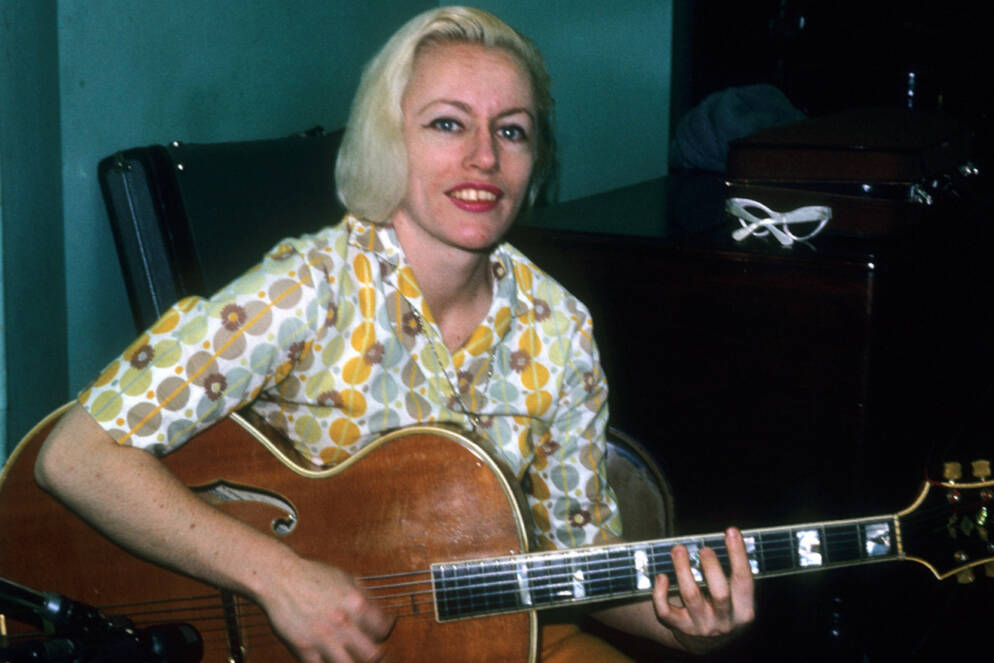
Kaye, 90, also received recognition at the ceremony for her contributions as a studio musician. Known for her work on iconic tracks like the Beach Boys’ “Good Vibrations” and the Monkees’ “I’m a Believer,” Kaye’s influence on the music industry is undeniable. Raised as a Baptist, she converted to Judaism in the 1960s and celebrated a bat mitzvah, taking on the name “Ruth.”
Despite her accomplishments, Kaye has remained somewhat reclusive, shunning the spotlight in favor of her craft. She reportedly declined to attend the ceremony, expressing that such honors do not reflect the collaborative nature of studio musicians’ work. Karp remarked, “She’s a figure that attracts a lot of interest,” acknowledging the complexities of her legacy.
The induction ceremony not only honored the individual achievements of these artists but also highlighted the broader impact of Jewish culture on the evolution of popular music. With influential figures like Zevon, Waronker, and Kaye, the night served as a reminder of the rich tapestry of creativity and innovation that has defined the music industry.