UPDATE: New Orleans is bracing for a significant immigration crackdown as federal authorities prepare to deploy up to 250 federal troops starting as soon as Friday. This operation, named “Swamp Sweep,” is set to launch on December 1, marking a pivotal moment in the Trump administration’s immigration enforcement agenda.
The U.S. Department of Homeland Security will be spearheading the operation under the direction of Border Patrol Commander Gregory Bovino, who is known for overseeing aggressive campaigns in cities like Los Angeles and Chicago. As federal troops arrive, the atmosphere in New Orleans—a city celebrated for its vibrant culture and diverse immigrant communities—has become tense.
Local leaders, including Mayor-elect Helena Moreno, are expressing deep concerns about the implications of this crackdown. Moreno highlighted that there is “a lot of fear” among residents regarding potential violations of due process and racial profiling against vulnerable populations. She is committed to educating those at risk about their rights, as federal enforcement ramps up.
The operation has strong backing from Louisiana Governor Jeff Landry, who has aligned the state’s immigration enforcement efforts with federal initiatives through various legislative measures. Louisiana, despite not sharing a border with another country, has become a significant detention hub for Immigration and Customs Enforcement (ICE), with a capacity exceeding 6,000 detainees. Landry’s administration has been vocal in its support for immigration enforcement, citing public safety concerns.
The New Orleans Police Department recently exited a federal reform pact, which had previously restricted its involvement in immigration enforcement. This shift raises questions about the potential for local law enforcement to engage in federal immigration operations, particularly as the city navigates conflicting directives from state and federal officials.
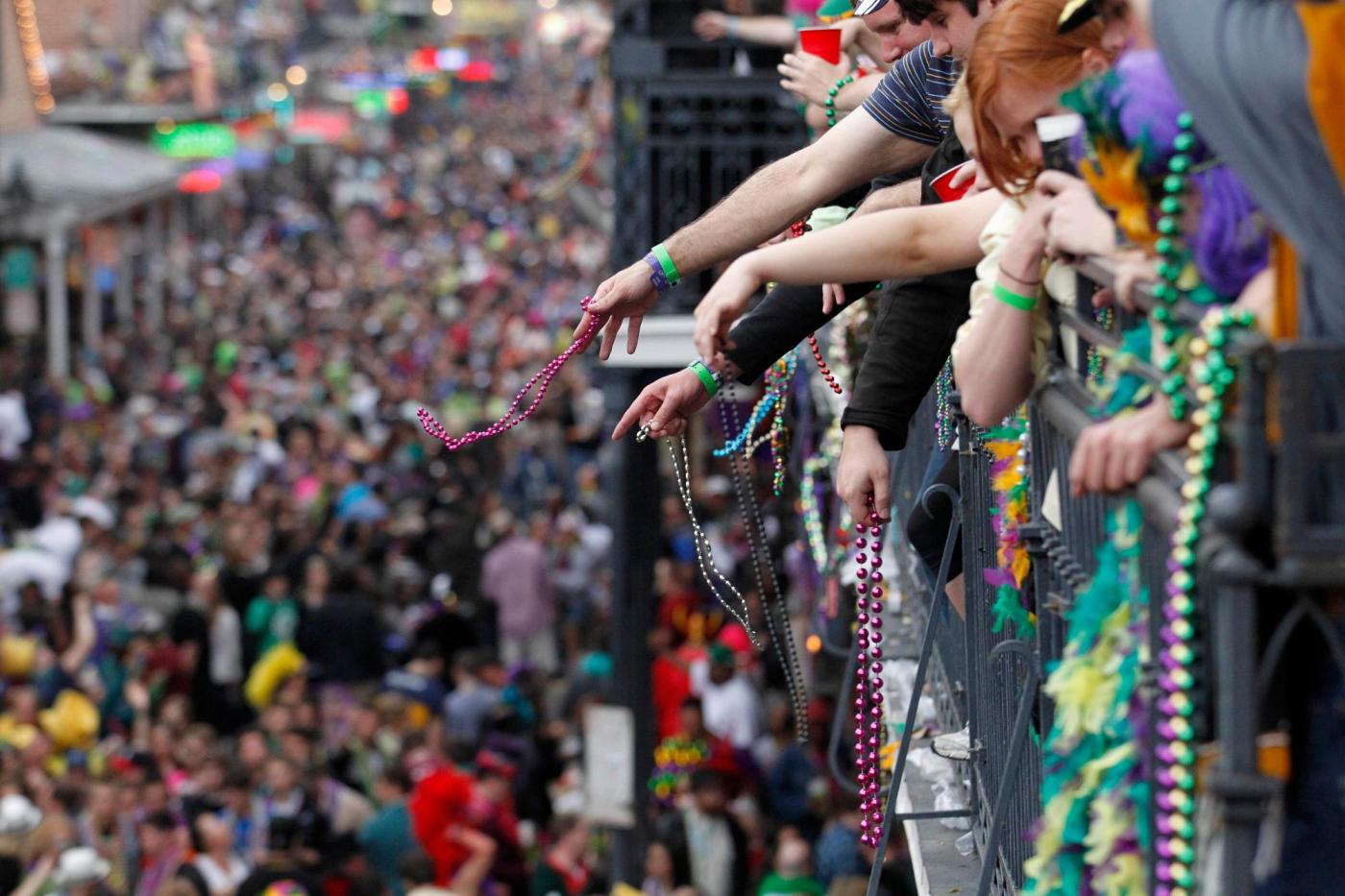
Advocates are alarmed by the imminent arrival of federal agents. Rachel Taber, an organizer with Union Migrante, emphasized the negative consequences of the operation, stating, “The same people pushing for this attack on immigrants benefit from immigrant labor and the exploitation of immigrants.” This sentiment reflects the broader implications for the city, especially ahead of major events like Mardi Gras, which rely heavily on immigrant labor.
Amidst the political tensions, the city’s diverse immigrant communities—comprising significant populations from Vietnam, Latin America, and beyond—are on high alert. Historical ties to immigration are evident in the city’s fabric, with monuments honoring the contributions of various ethnic groups that have shaped New Orleans.
Governor Landry has previously requested a National Guard deployment in response to crime rates, despite statistics showing a decline in violent crime. He reiterated that the upcoming operation aims to “take dangerous criminals off the street,” a narrative that has raised eyebrows among local leaders who argue that federal intervention is unnecessary.
The evolving landscape of immigration enforcement in New Orleans highlights a greater conflict between local governance and federal authority. As the city prepares for this operation, residents and officials alike are grappling with the immediate impacts of federal policy on their communities and livelihoods.
Next steps: New Orleans residents are urged to stay informed about their rights as federal troops prepare to arrive. Mayor-elect Moreno’s administration is expected to play a critical role in navigating the challenges ahead, particularly as federal oversight of local law enforcement changes.
This urgent situation in New Orleans is developing rapidly, and the outcome will have lasting implications for the city and its diverse communities. Stay tuned for further updates as this story unfolds.