URGENT UPDATE: The U.N. Climate Conference in Brazil concluded on Saturday without reaching a critical agreement on phasing out fossil fuels, a major setback in global efforts to combat climate change. Despite calls from over 80 countries for a clear transition roadmap away from coal, oil, and gas, negotiators failed to deliver any specific commitments.
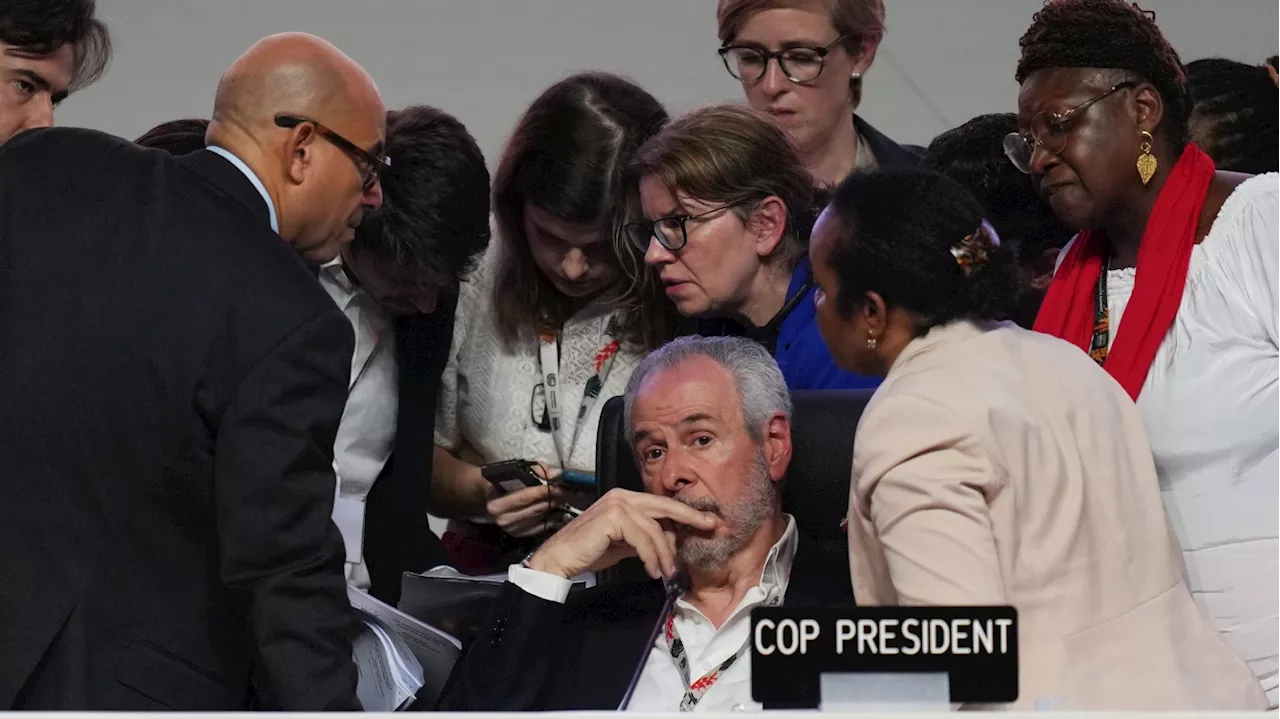
The absence of the United States at the negotiations heightened tensions, as nations grappled with the reality that fossil fuel burning remains the leading cause of global warming. André Corrêa do Lago, president of the conference, admitted that many nations sought a more robust agreement but fell short.
Earlier in the week, countries including the United Kingdom, Germany, and developing nations like Vanuatu urged leaders to form actionable plans to reduce fossil fuel dependency. However, the final agreement only acknowledged the “need for urgent action” without mentioning fossil fuels explicitly.
Daniela Duran Gonzalez, head of international affairs for Colombia’s Ministry of Environment, expressed frustration: “There is no mitigation if we cannot discuss transitioning away from fossil fuels.” With climate targets slipping out of reach, the Paris Agreement’s goal to limit global warming to 1.5 degrees Celsius is increasingly threatened.
The conference also addressed financial aid for developing nations, which are disproportionately affected by climate disasters. A target to provide at least $300 billion annually by 2035 was set, but the specifics of how to achieve this remain vague, raising concerns about the reliability of funding from wealthier nations.
Countries like Nigeria emphasized that climate plans should not harm their economies, as the transition away from fossil fuels could lead to significant economic instability. The Nigerian delegate stated, “We will not support plans that threaten our economic future.”
Looking ahead, two dozen countries plan to work with the U.N. on a new process focusing specifically on a fossil fuel phase-out. This effort is seen as a crucial step forward, as highlighted by Vanuatu’s climate minister, who noted the urgency of addressing rising sea levels impacting island nations.
With the world facing dire climate impacts, attention now turns to how countries will adapt and secure necessary funding. The developments in Brazil reflect a growing frustration among nations and NGOs, pushing for more decisive action on this global crisis.
As the climate change conversation continues, the need for effective solutions has never been more urgent. Stay tuned for further updates as the situation evolves.