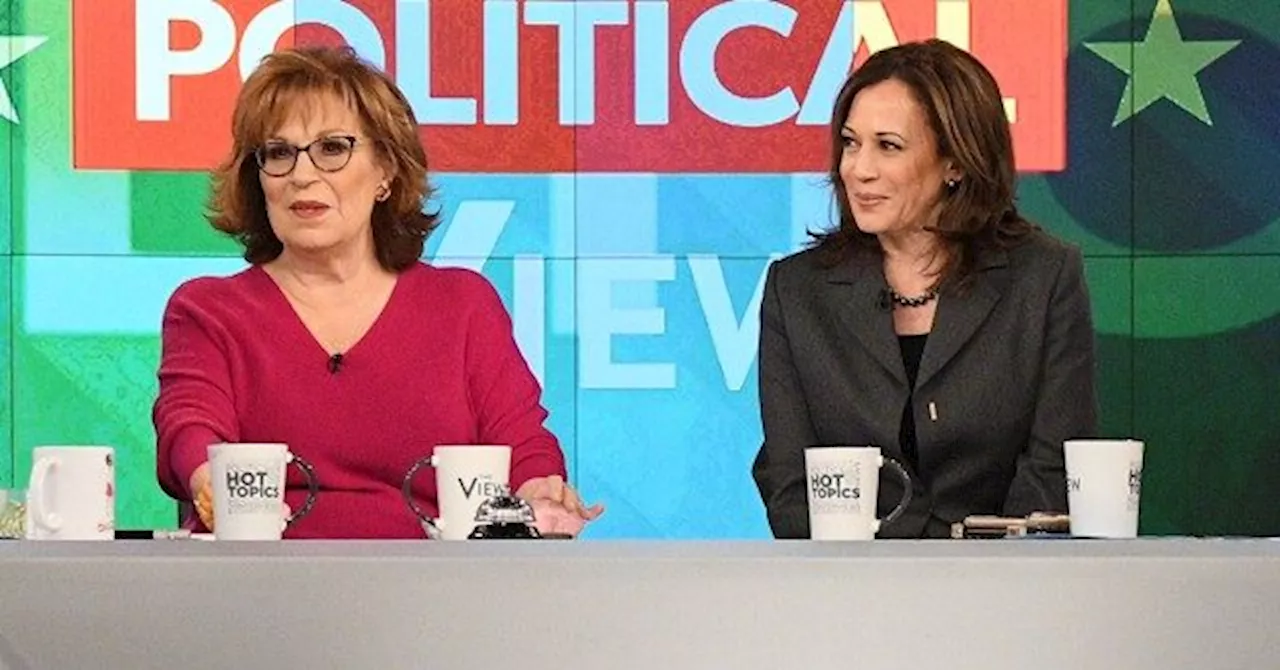
UPDATE: In an urgent discussion on The View this morning, co-hosts debated the viability of a female presidential candidate, sparking intense conversation about race, sexism, and the nation’s readiness for a woman in the highest office. The dialogue focused on whether a conservative woman could secure the presidency before a liberal counterpart.
Co-host Joy Behar boldly stated that she believes “a conservative woman would win” the U.S. presidency “faster than a liberal” candidate. This assertion prompted producer Brian Teta to question if the country is becoming more accepting of women leaders. In a striking response, co-host Sunny Hostin remarked, “Maybe a woman, but not a black woman, ever. Not in my lifetime,” highlighting the ongoing racial dynamics in American politics.
The conversation shifted to potential candidates, with Behar suggesting that someone like Liz Cheney could make a strong run if not sidelined by her party. “A lot of people think that a conservative woman might win first,” Teta added, underscoring a growing sentiment among some voters. However, Hostin clarified, “A white conservative woman, yes,” emphasizing that systemic misogyny and racism remain barriers to a female leader, particularly for women of color.
This urgent debate follows recent comments from former First Lady Michelle Obama, who expressed doubts about the country’s readiness for a woman president. Behar pointed out that countries like Italy, Iceland, and Mexico have successfully elected female leaders, questioning why the United States has not.
Hostin further elaborated on these systemic issues, stating, “This is a country based on racism and slavery,” which complicates the prospect of electing a black woman as president. Her poignant words resonated with the audience as she articulated the harsh realities of gender and racial biases in American politics.
Teta’s remarks about the political climate serve as a reminder of the challenges faced in the current landscape, where the election of a female candidate seems more distant than ever. “It was hard to imagine after Obama was elected the first time that we’d ever be back where we are now,” he said, reflecting on the regression in political progress.
As the conversation unfolds, the implications of these discussions are critical. With the next presidential election looming, voters are left questioning the potential candidates and the barriers they must overcome. The urgency for change is palpable, and the dialogue among influential voices like those on The View could shape public perception as the nation inches closer to the polls.
Stay tuned for further updates as this discussion develops, and consider the impact of these ongoing debates on the future of female leadership in the United States.