UPDATE: A significant law enforcement operation has led to the arrest of a San Leandro man and three others for allegedly attempting to smuggle advanced Nvidia GPUs and AI chips to China. The US Department of Justice announced this urgent development today, revealing a conspiracy to evade US trade laws through Thailand and Malaysia.
Cham “Tony” Li, a 38-year-old Chinese national residing in San Leandro, was taken into custody last week alongside three accomplices. The group is accused of planning to export nearly $4 million worth of restricted Nvidia technology, which is critical for China’s ambitions to become a global AI leader by 2030.
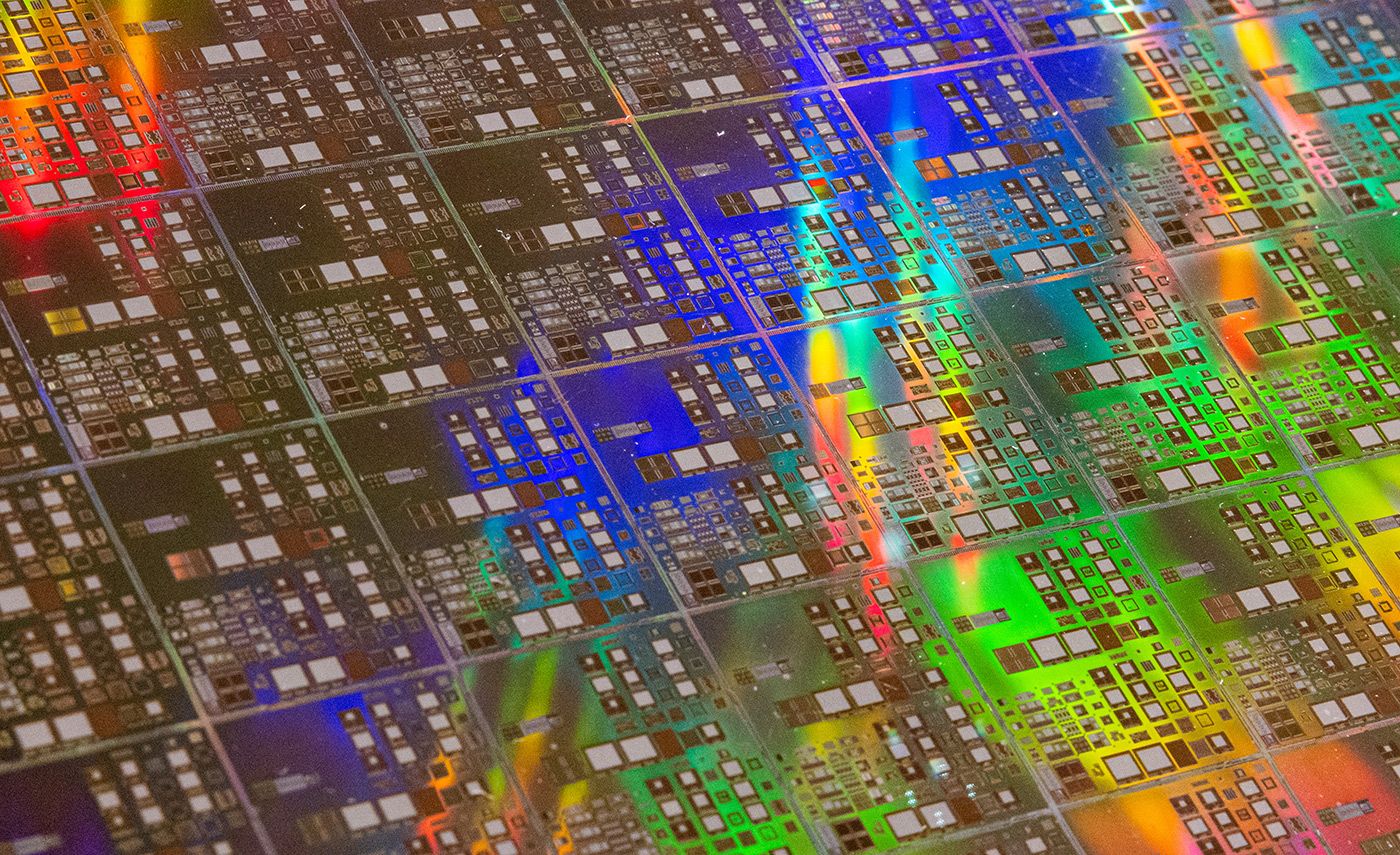
According to the DOJ, the operation involved smuggling hundreds of Nvidia chips and ten HP supercomputers. Notably, the group successfully exported 400 Nvidia A100 processors between October 2024 and January 2025 before law enforcement intercepted their subsequent attempts to ship 50 Nvidia H200 processors and 10 HP supercomputers earlier this year.
The alleged ringleader, Hon Ning “Matthew” Ho, 34, a US citizen from Tampa, Florida, reportedly used a shell company named Janford Realtor to facilitate the illegal transactions. Ho is said to have funneled funds from two unnamed Hong Kong-registered companies to purchase the restricted technology.
Alongside Ho, authorities have also charged Jing “Harry” Chen, a 45-year-old Chinese national on an F-1 visa, and Brian Curtis Raymond, 46, a US citizen from Huntsville, Alabama. Raymond allegedly utilized his company, Bitworks Technology, a legal reseller of Nvidia chips, to assist in the export process.
The DOJ’s press release highlights the gravity of the situation: “The indictment unsealed yesterday alleges a deliberate and deceptive effort to transship controlled NVIDIA GPUs to China by falsifying paperwork, creating fake contracts, and misleading U.S. authorities,” stated John A. Eisenberg, Assistant Attorney General for National Security.
This incident sheds light on the ongoing tensions surrounding technology exports to China, particularly as the nation aims to enhance its military capabilities and surveillance systems using advanced AI technologies. The United States has imposed strict regulations to curb such activities, emphasizing national security concerns.
Li, Ho, and Chen remain in custody, with Li scheduled for arraignment on December 4, 2025, in Tampa. Meanwhile, Raymond has been released on bond and will not face detention at this time.
As this case continues to develop, authorities are committed to disrupting illicit markets for sensitive US technologies. The investigation revealed troubling text messages from Li, where he reportedly indicated that his father had engaged in similar smuggling activities on behalf of the Chinese Communist Party, showcasing a disturbing pattern of behavior and intent.
Stay tuned as we bring you the latest updates on this developing story. The implications of this case could have far-reaching effects on international trade laws and security measures regarding advanced technology exports.