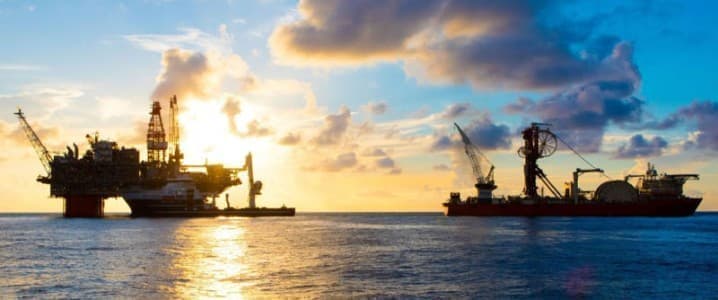
Bahrain’s state oil company has declared force majeure on its shipments following an attack by Iran that ignited a fire at its refinery. The state-run Bahrain News Agency confirmed the announcement, stating that the company’s operations were impacted by the ongoing regional conflict in the Middle East and the recent assault on its refinery complex. Despite the disruptions, the company assured that local demand would still be met.
Iran’s New Leadership Escalates Tensions
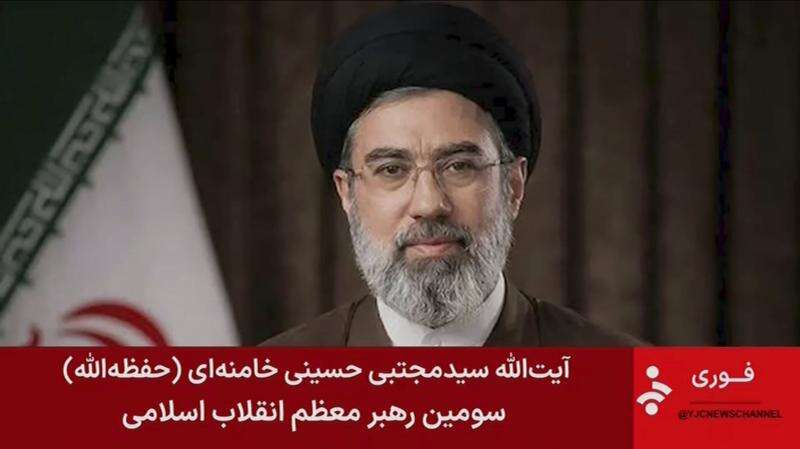
The declaration of force majeure comes amid heightened tensions in the region, particularly after the appointment of Mojtaba Khamenei as Iran’s next supreme leader. The son of the late Ayatollah Ali Khamenei, Mojtaba Khamenei, has been associated with the country’s paramilitary Revolutionary Guard. This leadership change occurs as Iran intensifies its military actions against Israel and Gulf Arab states, contributing to a spike in global oil prices. On Monday, Brent crude oil surged to over $114 a barrel, reflecting a rise of approximately 60% since the onset of the conflict.
The Iranian government has been under significant international scrutiny, especially from the United States and Israel, for its aggressive military operations. In response to these actions, U.S. President Donald Trump downplayed the rising oil prices, suggesting they are a temporary effect of the ongoing conflict. He stated, “Short term oil prices, which will drop rapidly when the destruction of the Iran nuclear threat is over, is a very small price to pay for U.S.A., and World, Safety and Peace.”
As tensions have escalated, Iran has targeted not only military installations but also energy infrastructure across the region. Recent strikes have resulted in fires at oil facilities, including an incident in Fujairah, United Arab Emirates, and attacks on the Shaybah oil field in Saudi Arabia.
Growing Regional Instability
Bahrain has accused Iran of causing damage to one of its desalination plants, although local authorities confirmed that water supplies remained unaffected. This raises concerns over the stability of essential services in a region already facing water scarcity. Meanwhile, Iran’s attacks have also impacted residential areas in Bahrain, resulting in injuries to at least 32 individuals, including children.
The situation has prompted significant security responses from the U.S. military, including an evacuation order for nonessential personnel and families from diplomatic missions in Saudi Arabia and eight other Middle Eastern countries. As of now, the conflict has resulted in at least 1,230 deaths in Iran, alongside casualties in other affected nations, including 397 in Lebanon and 11 in Israel.
Iran’s new leadership is seen as potentially more hard-line than that of his father, raising concerns over the future direction of the country’s policies, particularly regarding its nuclear program. While the United States has expressed its disapproval of the new leadership, regional powers like Saudi Arabia have warned that continued Iranian aggression will lead to severe repercussions.
In summary, the declaration of force majeure by Bahrain’s oil company highlights the severe impact of the ongoing conflict in the Middle East on regional energy supplies and the wider implications for global oil markets. As the situation continues to evolve, the international community remains watchful of developments that could further escalate tensions in this volatile region.