A coalition of conservation organizations and a group aligned with the Iñupiat community has filed a lawsuit challenging the recent approval of an exploratory drilling program in the National Petroleum Reserve-Alaska. The groups contend that the decision made by the U.S. Bureau of Land Management was inadequately assessed and poses significant risks to local wildlife, particularly caribou, and critical habitat areas.
The lawsuit, submitted on October 19, 2023, argues that the federal government failed to thoroughly evaluate the environmental impacts of the drilling program, which is intended to last for one year. The approved plan has drawn criticism for its potential to disrupt the delicate ecosystems within the reserve, a region known for its biodiversity and importance to Indigenous communities.
According to the plaintiffs, the government’s environmental assessment did not adequately consider the cumulative effects of drilling activities on caribou populations, which are vital for the subsistence lifestyles of local Indigenous groups. They assert that the drilling could lead to habitat fragmentation and increased stress on these animals during critical calving seasons.
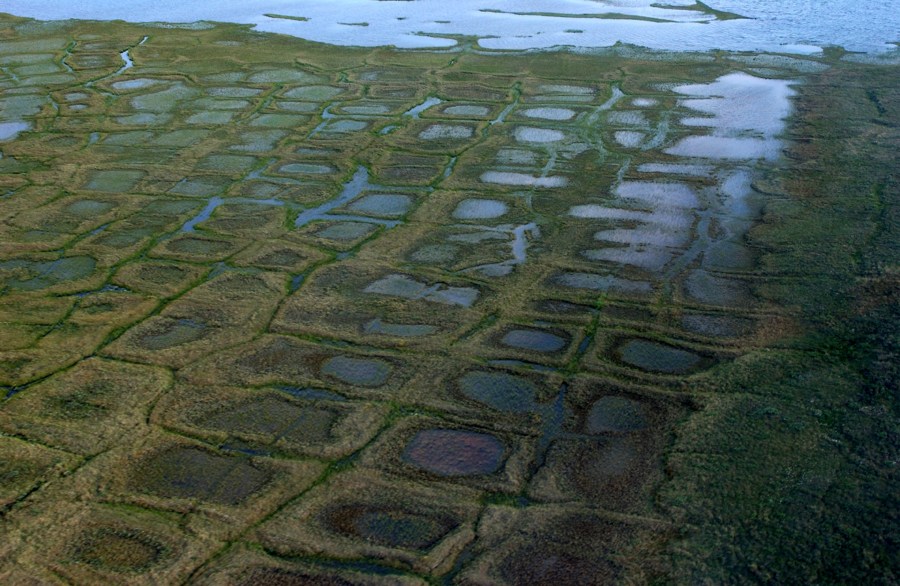
The National Petroleum Reserve-Alaska, located on the North Slope, is the largest area of public land in the United States. It is rich in oil and gas resources, yet it also serves as a crucial habitat for various species. The reserve has been the subject of ongoing debates between conservationists, Indigenous groups, and energy companies eager to explore its potential resources.
In a statement, one of the conservation groups involved in the lawsuit emphasized the importance of protecting the reserve’s wildlife. “This drilling program threatens the very essence of what makes this land special,” they stated. “We must ensure that our natural resources are managed responsibly and sustainably.”
The approval of the drilling program is part of the federal government’s broader strategy to increase domestic energy production, particularly in light of fluctuating global oil prices. Proponents argue that the exploration will bolster energy independence and create jobs in the region. However, opponents maintain that the environmental costs far outweigh the economic benefits.
As the legal battle unfolds, the outcome of the lawsuit could set a significant precedent for future energy exploration initiatives in sensitive areas. The implications of this case extend beyond Alaska, as it highlights the ongoing tension between energy development and environmental conservation across the United States.
The situation continues to evolve, and both sides are preparing for what could be a lengthy legal process. The plaintiffs are calling for a comprehensive review of the decision, emphasizing the need for a more extensive analysis that takes into account the long-term effects of drilling on the ecosystem and local communities.