As the winter of 2025-26 approaches, energy affordability is becoming a pressing concern for American households. Recent data indicates that household spending on electricity for heating is expected to rise by 10%, surpassing $1,200. This surge comes amid a backdrop of rising electricity rates and utility requests for significant rate increases, underscoring the impact of energy policies on everyday life.
The landscape of energy economics in the United States has shifted dramatically in recent years. According to Utility Dive, residential electricity rates rose by 6.6% year-on-year as of June 2025, following a near 30% increase from 2021 to 2024. This change is attributed to a combination of factors, including a shift from traditional energy sources like coal and nuclear power to renewable options such as wind and solar, largely influenced by the policies of President Joe Biden.
The National Center for Energy Analytics has highlighted that subsidies for renewable energy sources are distorting electricity markets. The federal Production Tax Credit (PTC) has lowered prices artificially, which can result in negative pricing, pushing unsubsidized generation out of the market. While there is a common belief that the growing demand from data centers is driving up electricity costs, data from Virginia contradicts this notion, revealing that the state’s ratepayers have seen below-average price increases despite a significant number of data centers being established in recent years.
The Big Beautiful Bill, passed by Congress in July, aims to address some of these market issues by accelerating the phase-out of certain renewable projects to the end of 2027. Yet, this legislative move does not alleviate the immediate pressures faced by families struggling with rising energy costs as they prepare for winter.
Political dynamics further complicate the landscape, with the Trump administration expected to bear the brunt of criticism for energy policies inherited from the Biden administration. Democratic governors in states like California and Massachusetts may find political advantage in blaming the current administration for the energy crisis. However, the need for sustainable, long-term energy policies that withstand political shifts remains critical.
Some states are demonstrating effective energy policy management. For instance, Jeff Landry, the Republican governor of Louisiana, has enacted legislation aimed at reducing energy costs and improving affordability for consumers. Similarly, states like Indiana have taken legislative steps to delay coal retirements, requiring utilities to ensure grid reliability before transitioning to renewables.
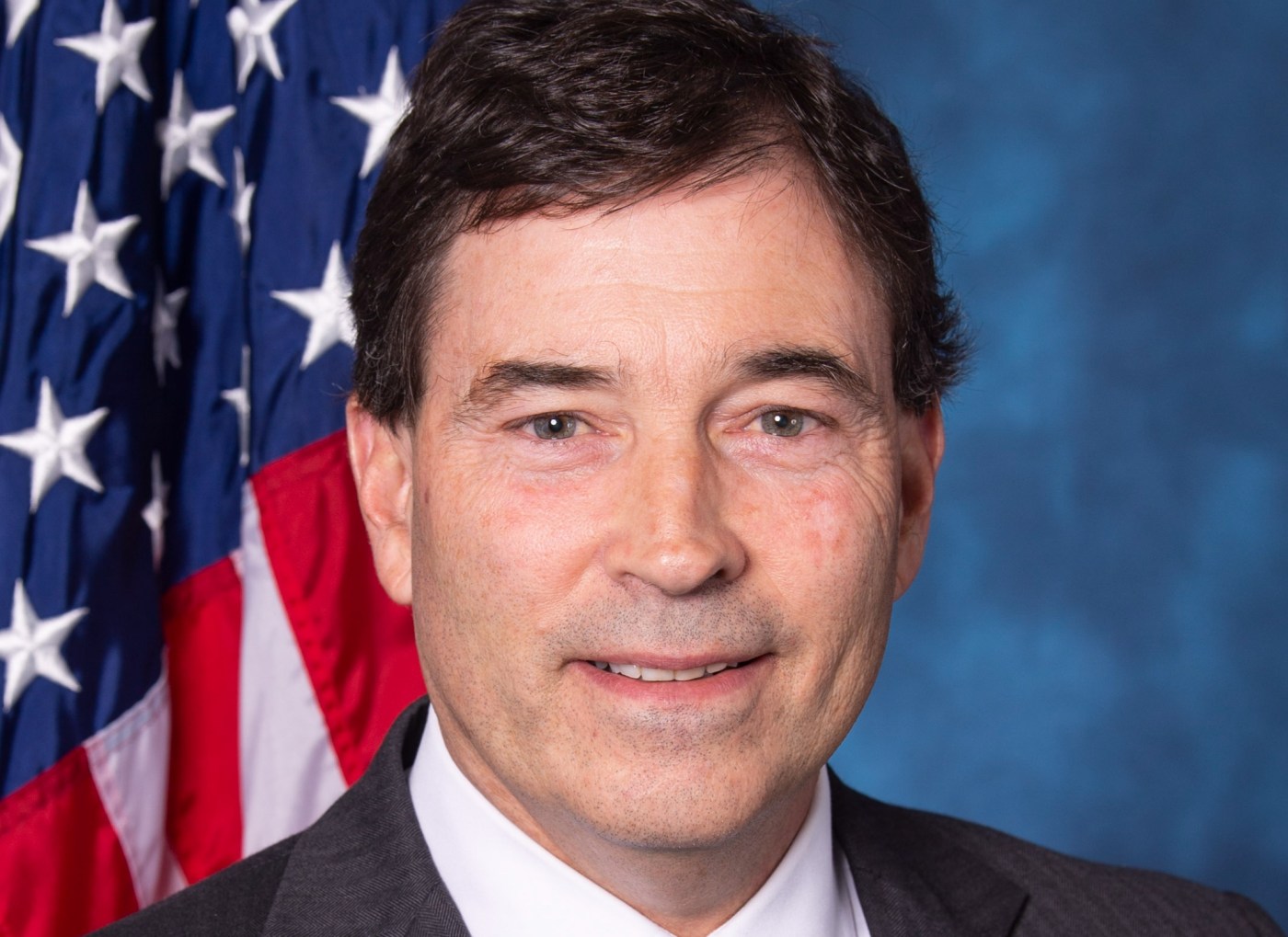
On the federal level, Congressman Troy Balderson is advocating for affordable and reliable clean energy to become a national standard. The emphasis on energy production as a fundamental issue is gaining traction, urging policymakers to prioritize long-term solutions over short-term political gain.
As energy affordability emerges as a vital kitchen-table issue, Americans are facing tough choices this winter. The need to balance energy costs with everyday living expenses is paramount, and households are calling for effective solutions that deliver both reliability and affordability. With ongoing developments, there is hope for a shift toward better energy policies that support the needs of consumers in the long run.
William Murray, a former chief speechwriter for the Environmental Protection Agency, emphasizes the urgency for change in energy policy as households navigate the complexities of rising energy costs. The prospects for a more affordable energy landscape in 2026 rely on the proactive measures taken today.