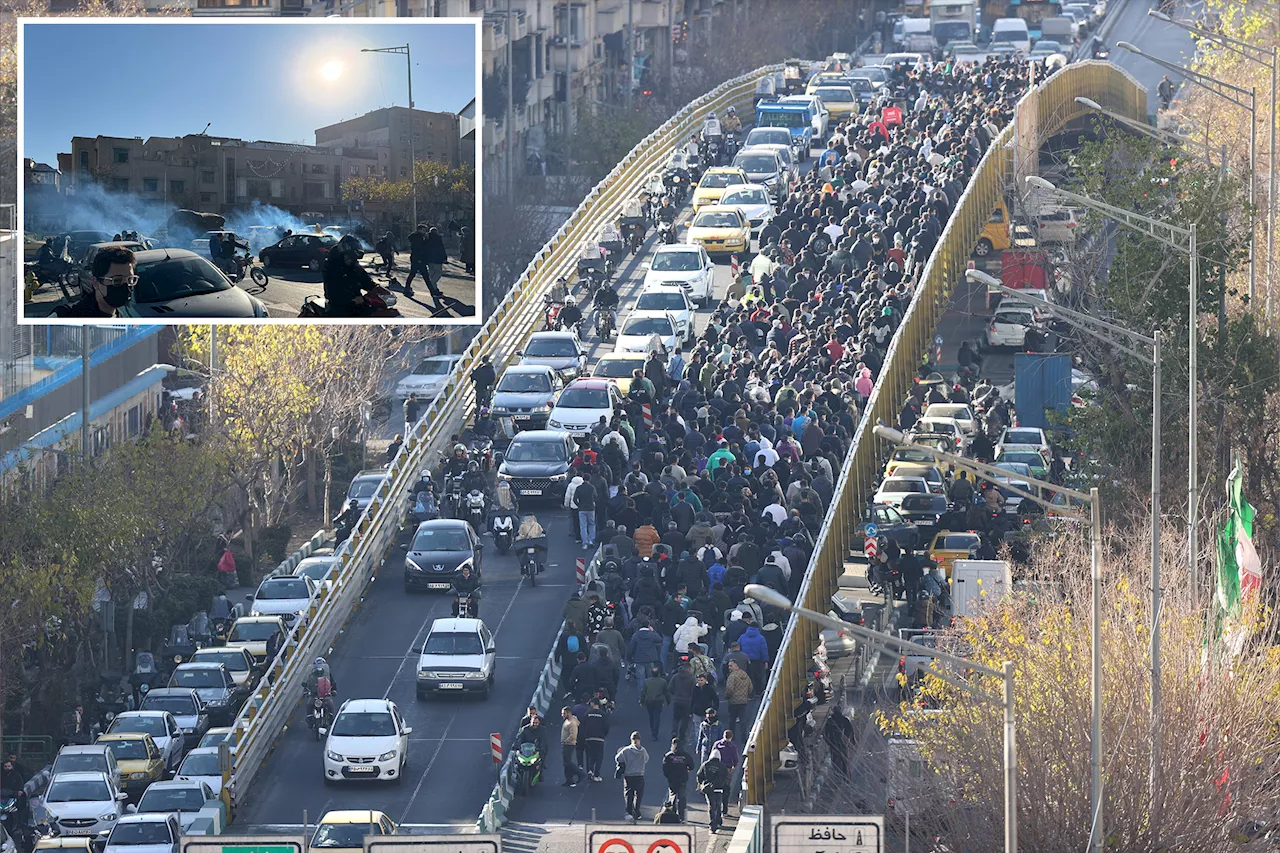
Protests erupted across Iran as citizens express outrage over a rapidly deteriorating economy. With the value of the Iranian rial plummeting to approximately 1.4 million rials for just US$1, public frustration has reached a boiling point. Demonstrations began in Tehran and have since spread to rural areas, where residents are experiencing the most severe effects of the economic crisis.
The turmoil is largely attributed to a combination of factors, including international sanctions, a shrinking gross domestic product (GDP), and soaring inflation, which has reached an alarming 48.6%. According to Iran International, the price of staple goods has skyrocketed, with locally favored Tarom Hashemi rice costing around 4 million rials per kilogram, equivalent to approximately $3.56 per pound. Such inflationary pressures have prompted many citizens to voice their frustrations through protests, directing their anger at government mismanagement.
Protests Widen Amid Economic Strain
The demonstrations have primarily taken place in Tehran’s bustling bazaars, where many residents procure their daily necessities. As protests intensified, businesses, universities, and government offices across the country faced shutdowns. Protesters have adopted chants such as “Death to the dictator,” a direct challenge to Supreme Leader Ali Khamenei, who has ruled for over four decades.
Although protests in Tehran have somewhat receded, they have gained traction in other regions and have turned violent. Reports indicate that three individuals lost their lives during recent clashes between protesters and security forces. A 21-year-old officer with the Basij force was killed amid the unrest, prompting government officials to label the demonstrators as “rioters.” Saeed Pourali, a deputy governor in Lorestan province, stated, “The protests that have occurred are due to economic pressures, inflation, and currency fluctuations, and are an expression of livelihood concerns.”
The political leadership has been slow to address the root causes of the unrest, with some officials attributing the crisis to foreign interference rather than economic mismanagement. At a business forum in Tehran, one official remarked, “Right now, the enemy has placed most of its hopes on knocking us down through economic pressure.” This statement reflects a reluctance to confront the economic realities that citizens are facing.
Ongoing Human Rights Concerns
The Abdorrahman Boroumand Center for Human Rights in Iran has documented the fatalities during the protests, identifying two additional deaths of protesters in the city of Lordegan. As the situation unfolds, human rights organizations are expressing concern regarding the government’s response to the demonstrations and the potential for further violence.
As the Iranian rial continues its downward trajectory and consumer prices escalate, the public’s demand for accountability and reform grows louder. With many citizens finding it increasingly difficult to afford basic necessities, the potential for continued unrest remains high. The government’s ability to navigate this crisis will be crucial in determining the future stability of the nation.