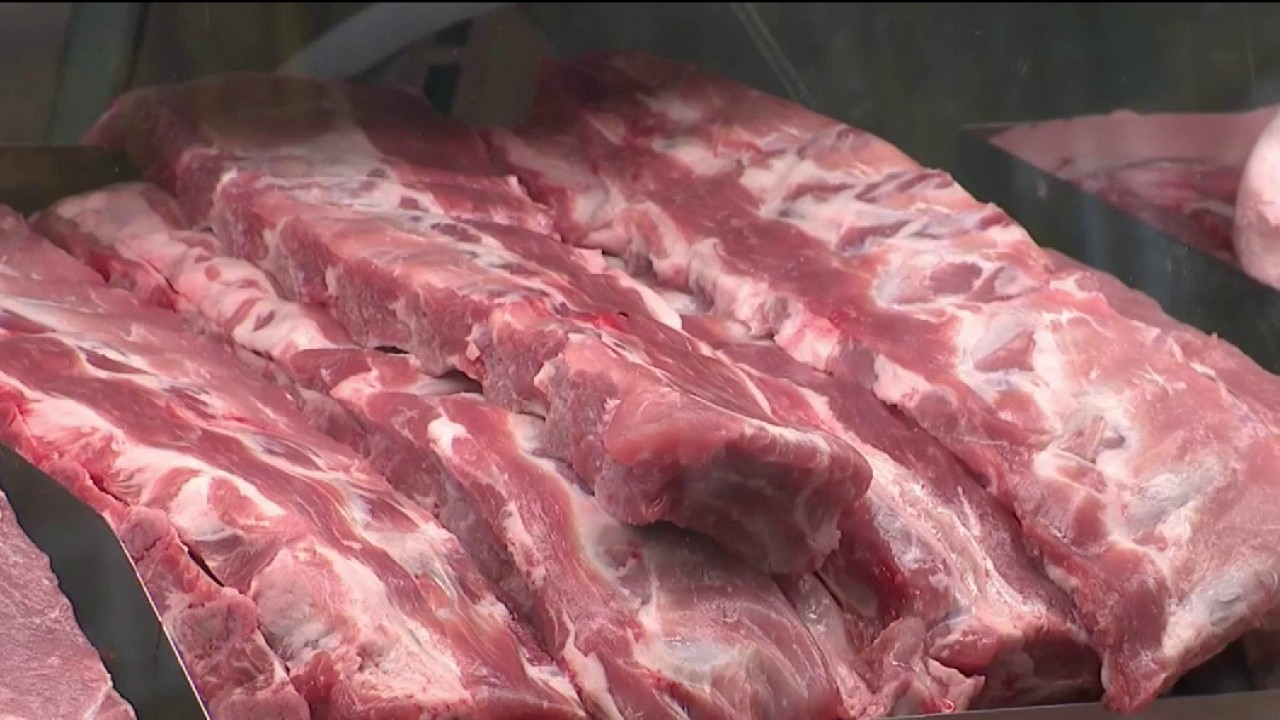
Several major beef processors are facing a class action lawsuit that could result in a settlement valued at approximately $87 million. The legal action alleges that these companies engaged in anti-competitive practices by agreeing to curtail competition for market share, ultimately leading to inflated prices for consumers. This lawsuit has significant implications not only for the companies involved but also for the broader meat industry and its consumers.
Details of the Allegations
The class action lawsuit claims that the beef processors coordinated their pricing strategies, effectively limiting competition. According to court documents, this collusion has caused prices to be artificially high, impacting consumers across the United States. If the plaintiffs succeed, affected consumers may receive compensation for overpayments made over the years.
The lawsuit underscores a growing trend of legal actions against companies accused of price-fixing and anti-competitive behavior. Legal representatives for the plaintiffs argue that such practices undermine fair market competition and harm consumers who rely on affordable meat products.
Potential Impact on the Industry
Should the lawsuit be resolved in favor of the consumers, the repercussions could extend beyond financial settlements. Industry experts suggest that a significant ruling could prompt regulatory scrutiny and lead to changes in how meat processors operate. This case highlights the ongoing issues within the agricultural sector regarding transparency and fair pricing.
As the lawsuit unfolds, consumers are encouraged to stay informed about the developments. The outcome could influence not only pricing but also policies governing competition within the meat industry.
The implications of this lawsuit are profound, as they could reshape consumer rights in relation to fair pricing and competition. The case serves as a reminder of the importance of vigilance in monitoring corporate practices that may affect everyday consumers.