The Metropolitan Transportation Authority (MTA) has initiated plans for the IBX, or Interborough Express, a new light rail line designed to enhance connectivity between Brooklyn and Queens. This proposed 14-mile route will traverse some of New York City’s most vibrant neighborhoods, offering a vital transit solution for residents and visitors alike.
Passengers will experience a diverse cultural landscape, from the international cuisine of Jackson Heights to the dynamic art scene in Bushwick. The IBX is expected to provide a direct link between these areas, significantly reducing travel time. A full one-way journey is projected to take approximately 33 minutes, bypassing the need to navigate through Manhattan, which is typical for many existing transit options.
Milestones in Project Development
The MTA celebrated two significant milestones for the IBX project this year. On July 30, 2023, the project entered the design phase, followed by the commencement of environmental reviews on October 15, 2023. These phases are crucial as they lay the groundwork for public consultation and feedback, ensuring community involvement in shaping the project.
Gov. Kathy Hochul, whose office oversees the MTA, emphasized the importance of the IBX for outer-borough commuters. “The IBX will dramatically improve the commutes of over 160,000 daily riders, and we are moving full-speed ahead to keep this transformational project on track,” she stated. The governor’s remarks highlight the project’s potential to enhance not only transportation but also economic opportunities in the region.
Connecting Communities and Retail Opportunities
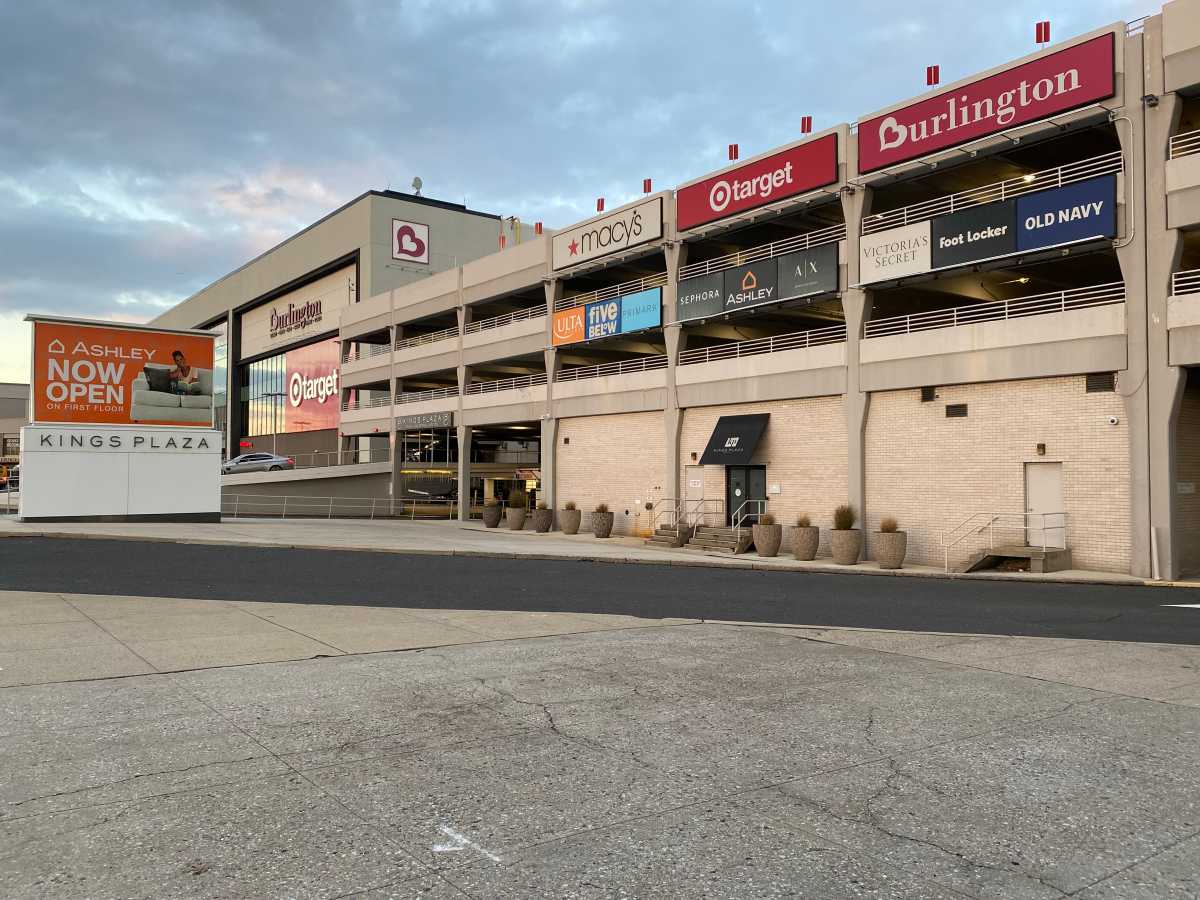
A proposed stop at Utica Avenue will position the IBX as a vital connector to numerous retail destinations. Utica Avenue, a major north-south thoroughfare in Brooklyn, is already a bustling area filled with commercial activity. The IBX is set to serve as a “retail rail,” facilitating access to shopping hotspots like Kings Plaza, a multi-level shopping center that features popular stores such as Burlington, Primark, and Macy’s.
Additionally, the vicinity around the Utica Avenue stop includes a variety of furniture stores and home design shops, catering to residents looking to furnish their homes. The presence of big-box retailers that typically offer delivery services will benefit transit users, allowing them to shop without the burden of transporting large items.
While the IBX promises to enhance connectivity and retail access, it has also sparked concerns among some community members. Opponents worry about potential noise pollution and gentrification in neighborhoods such as Flatbush and Canarsie, which could lead to displacement of long-time residents.
Jibreel Jalloh, founder and executive director of The Flossy Organization, voiced these concerns, stating that any transit project “must come with real affordability and anti-displacement protections.” He urged for broader infrastructure upgrades to ensure that the benefits of the IBX extend to the entire community, especially for those who may still rely on bus services to connect with the light rail.
As the MTA continues with project planning and public engagement, the IBX stands to reshape the commuting landscape in Brooklyn and Queens. While the light rail presents significant transit advantages and economic growth potential, addressing community concerns will be essential for fostering a successful integration of this new infrastructure into the daily lives of residents.
The IBX initiative reflects a broader commitment to modernizing New York City’s transit system, aiming to cater to the evolving needs of its diverse population. As planning progresses, further updates will be provided to ensure transparency and community involvement.