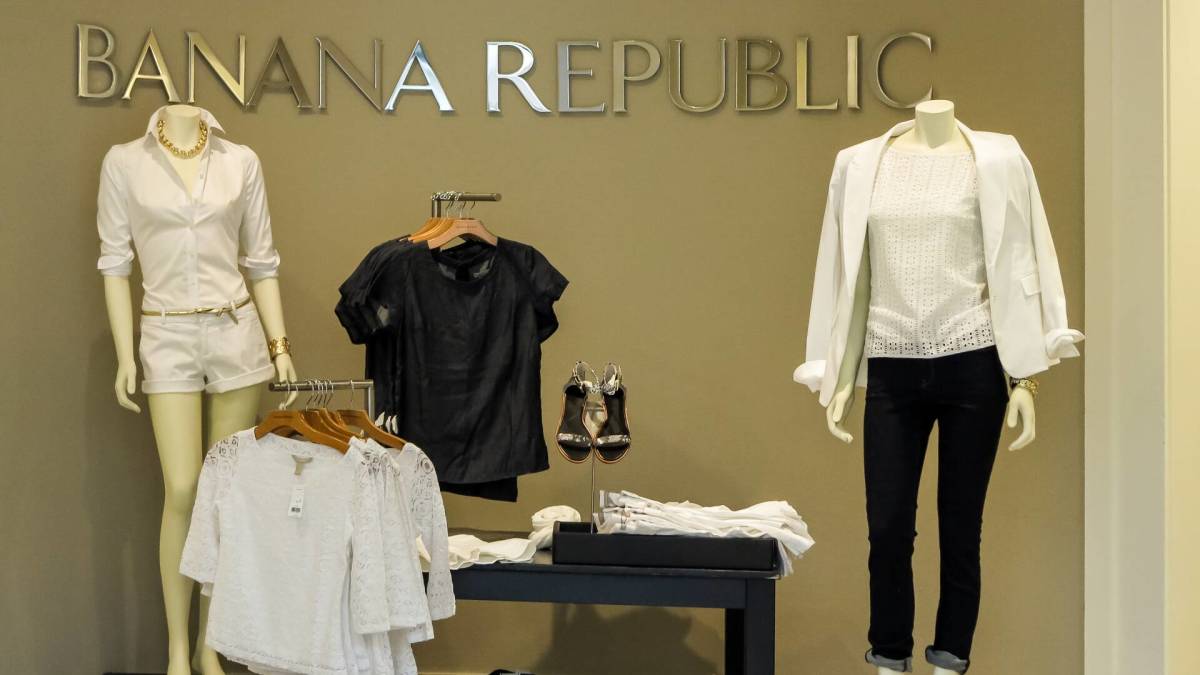
A significant shift is underway at Towson Town Center in Towson, Maryland, where several well-known retailers have recently closed their doors. Among them are Banana Republic, Tommy Bahama, Madewell, and Wockenfuss Candies, marking a worrying trend for the mid-tier mall. These closures are part of a broader pattern affecting malls across the United States, as tenant dynamics evolve in response to changing consumer habits and economic pressures.
The closures of these stores add to a growing list of retail departures that have affected malls in recent years. Retail giants like Forever 21 and JCPenney have filed for bankruptcy, leading to a significant reshaping of the shopping landscape. Surprisingly, many landlords view these exits as an opportunity to attract stronger, more profitable tenants able to pay higher rents. As reported by the Wall Street Journal, landlords are increasingly interested in smaller retailers or entertainment options that can drive sales per square foot.
Data from Placer.ai indicates that foot traffic to malls in October 2025 rose both year over year and month over month. Yet, this increase does not correlate directly with sales, as mall values remain significantly below their 2016 peak, particularly for second-tier malls. According to retail expert and TheStreet Co-Editor-in-Chief Daniel Kline, the decline in foot traffic cannot solely be blamed for the store closures.
The loss of prominent brands at Towson Town Center is particularly notable. Wockenfuss Candies, a local favorite and the oldest candy maker in Baltimore, announced its closure on social media, expressing gratitude for customer support over the years. “After much consideration, we have made the difficult decision to permanently close this location,” the company stated. The closures of Tommy Bahama and Madewell follow suit, with both brands anticipated to exit the mall in the coming weeks.
Local economic conditions are contributing to these changes. Nancy Hafford from the local Chamber of Commerce noted that consumers now have less disposable income due to rising costs, and the growth of online shopping has further challenged brick-and-mortar stores. “People don’t have as much expendable funds… and Amazon has really hurt a lot of the retail businesses too,” she told WMAR-2 News.
The situation is compounded by safety concerns, as Towson Square has faced incidents of youth violence in recent years. While no retailers have publicly cited safety as a reason for their departure, shoppers have expressed their unease. One shopper remarked, “I wouldn’t go there by myself late at night… but during the day I feel fine.”
The exit of these retailers raises concerns about the broader implications for the mall’s future. According to the independent academic institute IMD, the departure of major anchors can lead to a “domino effect,” impacting foot traffic and subsequently affecting local businesses. Some shoppers fear that the closures signal a decline in the mall’s viability.
Amid these challenges, there are ongoing efforts to revitalize Towson Town Center. The local economic development agency is exploring incentive programs to attract new retail businesses. However, competition is intensifying with the development of the $350 million Towson Row, which aims to appeal to the area’s student and professional population.
The exit of established brands does not necessarily indicate the end for Towson Town Center. As landlords look to attract tenants who can adapt to changing consumer preferences, the mall may have an opportunity to reinvent itself. Coresight Research suggests that successful landlords tend to invest in experiential tenants that cannot be easily replaced by online options.
As the retail landscape continues to shift, the future of the mall could hinge on its ability to adapt to new trends and consumer expectations. The departure of Banana Republic, Tommy Bahama, and others underscores the challenges faced by mid-tier malls, but it may also pave the way for a more resilient retail environment in Towson.