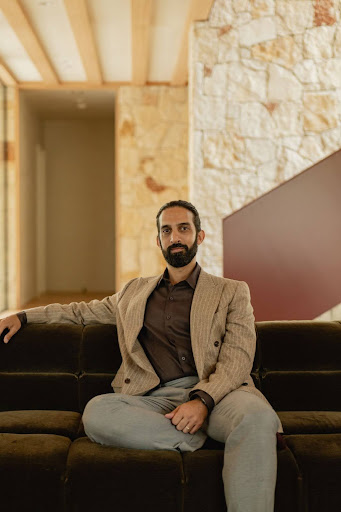
Rion Willard, an influential figure in the architectural community, is reshaping the landscape of architectural practice through his focus on business literacy. As the Director of Consulting and Business Transformation at Business of Architecture, Willard has developed a system that has enabled numerous architectural firms to double their revenue, reduce working hours, and reclaim control of their futures. His innovative approach stands as a challenge to the traditional norms within architectural academia.
From Artist to Architect
Willard’s journey began in the studios of Chelsea School of Art and The Bartlett, where he cultivated his skills as both an artist and an architect. He completed his BSc and DipArch at University College London (UCL), later achieving his RIBA Part 3 at Cambridge. His early career included stints at prestigious firms like Grimshaw and RSHP, where he observed a troubling trend: talented designers often faced burnout and financial instability without a clear understanding of how their businesses operated.
This tension became evident during his own venture, The Thinking Hand Studio, where Willard found that creative vision alone was insufficient to sustain a profitable practice. Faced with mounting pressures, he opted to explore business models with the same dedication he had applied to design. This decision led him to delve into finance, sales, and leadership strategies, ultimately pinpointing the factors that enable small to mid-sized firms to thrive.
Introducing the SMART Practice Method®
Willard’s insights culminated in a collaboration with Enoch Sears to establish the Business of Architecture, a global platform that serves firm leaders in over 50 countries through educational programs and consulting. Their flagship framework, the SMART Practice Method®, offers architects a structured approach to reengineer their firms around profitability and strategic operations, moving away from the cycle of constant crises.
The results have been transformative. Firms implementing this method have reported doubling their revenue within a few years, confidently raising fees, and decreasing working hours by as much as 50 percent while increasing team stability and client satisfaction. Willard’s coaching program has allowed clients to transition from demanding 70-hour workweeks to establishing focused leadership and robust business models that support both their creative aspirations and personal lives.
Redefining Leadership in Architecture
Willard emphasizes the need for architects to master the business side of their profession, stating, “Architects are trained to solve impossible problems for their clients, yet many have never been shown how to solve the equally complex problem of their own business.” His work focuses on providing practical tools for firm owners to redefine pricing strategies, restructure teams, and develop recurring revenue streams, shifting the reliance away from one-off projects.
Through the Business of Architecture podcast, which boasts over 2.1 million downloads and ranks in the top 1 percent of global shows, Willard has transformed discussions around business practices in architecture. He has engaged with hundreds of professionals, sharing insights on pricing, hiring, and negotiation strategies. This platform has become a valuable resource for architects seeking to enhance their financial and leadership skills, as evidenced by the channel’s growth to over 110,000 subscribers on YouTube.
Willard’s authority extends beyond podcast metrics. He has contributed articles to Architecture Today and Matzine, and has been featured in prominent publications like Forbes and Monograph. His widely circulated article, “Architects Are Not Trained to Lead—But They Must Learn If They Want to Survive,” resonates with firm principals grappling with the challenges of underpricing and the weight of responsibility within their roles.
Impacting the Future of Architecture
The outcomes of Willard’s approach provide a clear picture of his influence. Firms that have undergone the SMART Practice Method® have reported significant improvements, such as enhanced profitability, the ability to secure better projects with fewer proposals, and the confidence to increase fees by 20 to 50 percent while retaining their best clients. Many practices that once faced financial instability now operate with healthy cash reserves and strategic hiring plans.
In a landscape where architectural billings have declined and firms are struggling to maintain staff, Willard’s work presents a viable solution. He advocates for treating business literacy as an essential professional skill, equipping architects with decision-making frameworks that balance design quality with financial health.
Through his coaching of over 300 firm owners and the widespread adoption of his methods, Willard is influencing how upcoming leaders discuss fees, value, and the architect’s role in guiding projects from the earliest stages. By elevating the profile and reach of Business of Architecture, he has transformed it into a respected global platform offering educational resources and consulting services that architects now recognize as vital for professional development.
The ongoing question driving Willard’s career is what happens when architects apply the same intensity to mastering the business of their craft as they do to design. As evidenced by the numerous firms that have doubled their revenue and regained control of their time, the answer may just redefine how the profession views power, value, and leadership in the future.