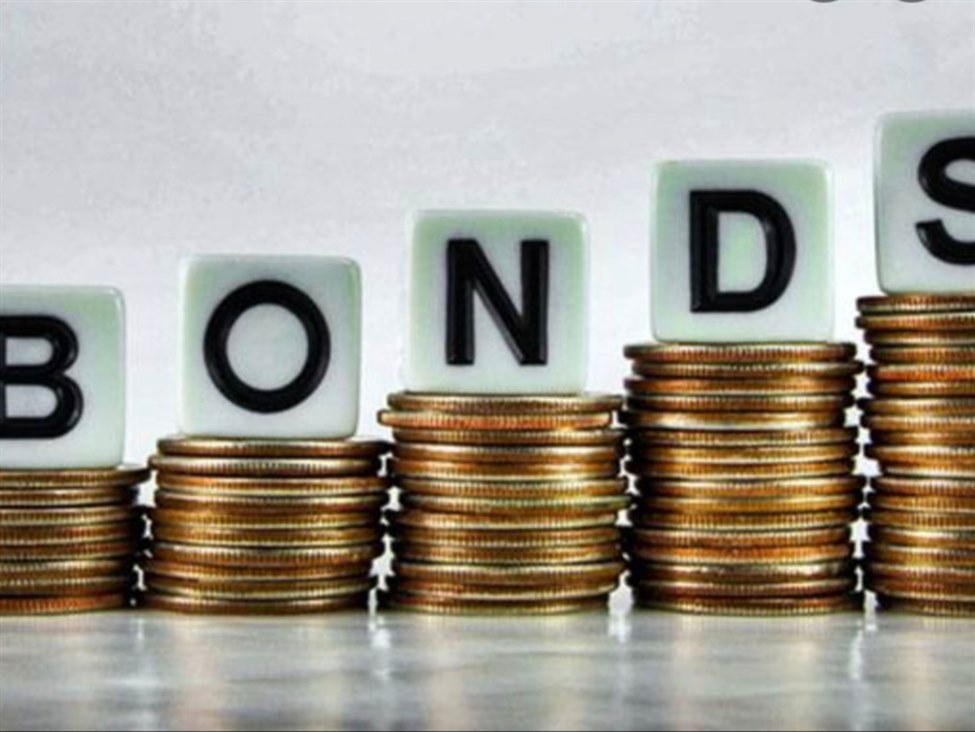
South Korea has announced the extension of its bond market stabilisation programmes through 2026. This decision comes as authorities aim to mitigate financial market risks arising from evolving monetary policies both domestically and internationally, alongside an increase in government bond issuance. The Financial Services Commission (FSC) confirmed this development on Monday.
The extension involves the continuation of bond and short-term money market stabilisation funds amounting to 37.6 trillion won (approximately US$25.5 billion). Additionally, real estate project financing support programmes, valued at 60.9 trillion won, will also remain active. The FSC indicated its readiness to implement stabilising measures proactively should market conditions worsen, citing a notable increase in caution within domestic financial markets, alongside rising bond yields and enhanced foreign exchange volatility.
Market Context and Future Implications
The announcement follows the Bank of Korea’s (BOK) decision last month to maintain interest rates at their current level for the fourth consecutive meeting. This decision was influenced by the ongoing weakness of the South Korean won, which has limited the scope for further monetary easing and suggested that the cycle of rate cuts might be approaching its conclusion.
Officials believe that the support measures will help stabilise bond market conditions and mitigate the effects of global economic volatility. This reassurance reinforces expectations that Korean policy support will remain robust, even as the BOK nears the end of its easing cycle.
The effects of these stabilisation programmes are expected to be far-reaching. By ensuring liquidity in the bond market, the government aims to foster a more stable investment environment, which is crucial as the nation navigates through shifting economic conditions.
In light of these developments, the overall sentiment in the financial markets is one of cautious optimism. The extension of these programmes signals a commitment to maintaining stability in the face of uncertainty, with both the FSC and BOK taking proactive steps to protect the economy from potential disruptions.
As financial market dynamics continue to evolve, stakeholders will be closely monitoring the impacts of these measures in the months leading up to 2026. Investors and analysts alike will be looking for signs of recovery and stability in the South Korean economy as it adapts to both local and global economic changes.
This article was written by Eamonn Sheridan at InvestingLive.com.