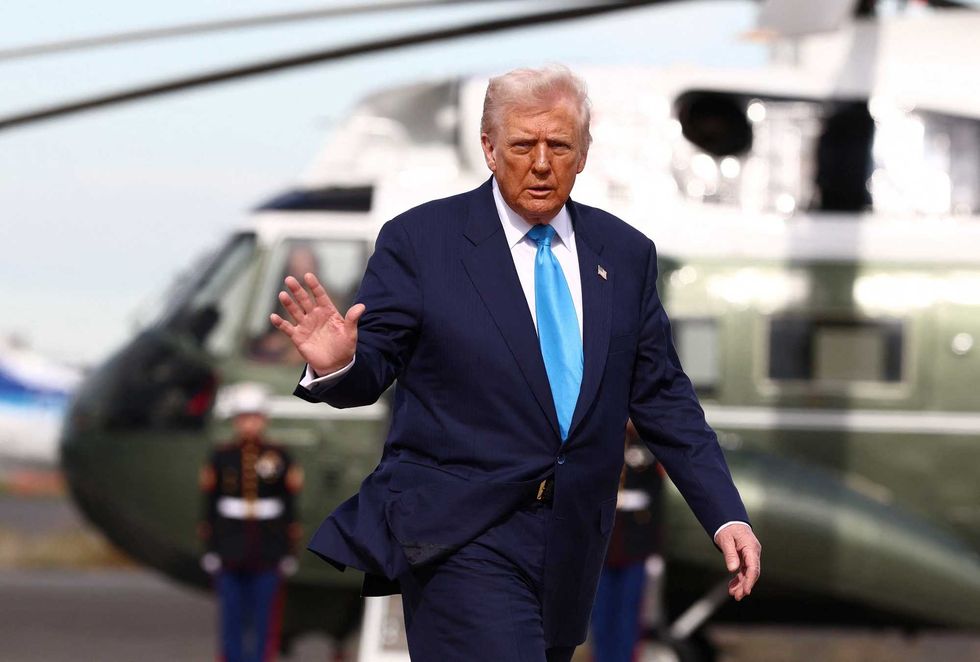
The FBI’s search of the home of Washington Post reporter Hannah Natanson on January 14, 2026, has raised significant concerns about press freedoms in the United States. This rare and aggressive action by the administration has been labeled as a move aimed at repressing dissent and criticism. In a report, Perry Stein noted that such a search is highly unusual for law enforcement, prompting responses from various media advocates. Jameel Jaffer, director of the Knight First Amendment Institute at Columbia University, described the incident as “intensely concerning,” suggesting it could have a chilling effect on legitimate journalistic activities.
Free speech and independent media are essential for maintaining democratic accountability. They inform the public about government actions and hold officials accountable for misconduct. Autocratic leaders, like Vladimir Putin in Russia, have historically worked to silence independent media, thus eliminating critical checks on their power. In Russia, state propaganda often distracts from governmental failures, particularly in the context of military actions and foreign affairs.
While the United States has strong institutional protections against autocracy, the actions of the Trump administration echo troubling patterns seen in authoritarian regimes. This is particularly evident in their approach to press freedoms, which many believe are being undermined.
Public Ignorance and the Role of Media
Ignorance about political matters is prevalent across all political systems. In democratic societies, citizens may remain uninformed due to the complexities of the political landscape and the time required to engage effectively. This phenomenon, termed “rational ignorance” by economist Anthony Downs, can leave voters unable to hold politicians accountable, which may inadvertently benefit those in office.
Independent media serve as essential watchdogs, exposing corruption and enabling citizens to challenge those in power. When media outlets are allowed to operate freely, they foster open debate and encourage civic participation, from protests to electoral campaigns.
In contrast, autocrats often seek to suppress free speech and independent journalism. By doing so, they create an environment where citizens are less informed about governmental corruption and failings. This ignorance becomes an ally for authoritarian regimes, isolating and misinforming the populace.
Countries like Russia have effectively silenced dissent by undermining independent media. Following Putin’s rise to power, numerous independent outlets faced closure, journalists were harassed or prosecuted, and new laws severely restricted free expression. These measures have enabled the government to maintain control over public discourse, particularly during crises.
Threats to Independent Media in the US
The Trump administration’s tactics, while not yet resembling a full autocracy, have raised alarms regarding press freedoms. The use of lawsuits to intimidate journalists is one significant concern. For instance, President Trump sought $15 billion from the New York Times over allegedly defamatory articles, alongside a $10 billion lawsuit against the Wall Street Journal regarding a report on his ties to Jeffrey Epstein. Although courts dismissed the case against the Times, such lawsuits could discourage critical reporting and lead to media self-censorship.
Further complicating this issue, Trump’s administration suggested revoking broadcast licenses of networks that aired negative commentary about him, a move reminiscent of autocratic practices. Following a controversial incident involving Jimmy Kimmel, who faced suspension from ABC, the administration’s willingness to exert bureaucratic pressure on media organizations became evident.
The trend of prosecuting perceived enemies through the Justice Department adds another layer of concern. This approach encourages self-censorship among journalists and further deepens public ignorance about governmental actions.
Autocrats often justify suppressing free speech by invoking “national security.” In Russia, laws targeting foreign-funded organizations serve to silence dissent under the guise of protecting the state. Similar laws have emerged in other nations, restricting protests and punishing criticism.
The Trump administration has adopted tactics that align with these authoritarian trends. The designation of groups like antifa as domestic terrorists based on broad, vague criteria threatens to suppress free expression. This approach risks criminalizing dissent and could lead to the prosecution of individuals based on their beliefs rather than actions, as noted by scholar Melinda Haas.
While the United States remains a democratic nation, the erosion of independent media and the rise of intimidation tactics reflect a worrying trajectory. The implications of these actions extend beyond press freedoms, fundamentally challenging the principles of accountability and transparency that underpin democratic governance. As developments unfold, the preservation of free speech and independent journalism will be critical in safeguarding democracy against the encroaching shadows of autocracy.