The recent decision by former President Donald Trump to reverse key scientific findings on climate change has ignited a debate regarding its implications for public health and the economy. Critics argue that this policy shift undermines decades of progress made in reducing greenhouse gas emissions, which have significantly improved air quality across the United States.
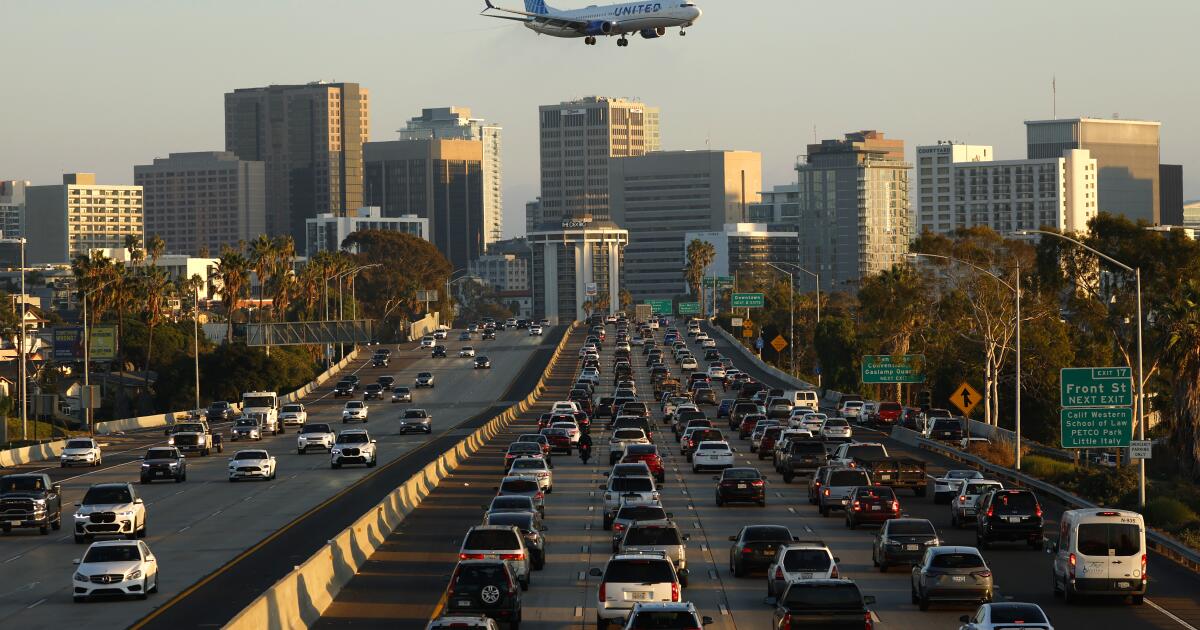
In a letter to the editor published in the Los Angeles Times, Anneke Mendiola recounted her experience upon moving to Los Angeles in 1958, where she was confronted with smog that caused her eyes to burn. She contrasted this with the clearer skies of today, attributing much of the progress to efforts aimed at combating climate change. Mendiola expressed concern that the reversal of regulations aimed at protecting the environment would lead to a return of hazardous air quality, particularly affecting children who are vulnerable to respiratory issues.
Another letter from Steve Baldel highlighted skepticism about the immediate impact of industry compliance with the new policies. He pointed out that the cost of retooling operations, such as altering gasoline formulations and modifying vehicle emissions systems, would likely slow any significant changes in the short term. Baldel speculated that a shift in political power during the midterm elections could lead to a reinstatement of previous regulations.
The discussion also drew parallels to the 1986 Chernobyl disaster. Darrel Miller referenced a scene from the HBO series “Chernobyl,” where a physicist attempts to warn a governor about radiation dangers, only to be dismissed because of the governor’s previous experience managing a shoe factory. Miller criticized the current federal government for ignoring scientific expertise in favor of economic interests, emphasizing the historical lessons learned from water pollution and its lasting consequences on health.
In a separate letter, Ken Hense expressed concern over the long-term health impacts associated with deteriorating environmental conditions. He noted that while economic improvements can be quickly recognized, the negative effects on public health, such as increasing rates of chronic obstructive pulmonary disease and asthma, may take decades to manifest. Hense suggested that the former president may not be held accountable for these long-term consequences.
Lastly, Gail Garcia pointed out the troubling reality that federal emissions regulations, developed through extensive research by qualified scientists, can be dismantled by a decision from a less knowledgeable individual. Garcia questioned the prioritization of profit over global health, urging a reevaluation of these policies.
As the debate continues, the implications of Trump’s climate policy reversal remain a pressing concern for public health advocates and environmentalists alike. The potential for increased air pollution and its associated health risks raises fundamental questions about the balance between economic growth and the well-being of future generations.