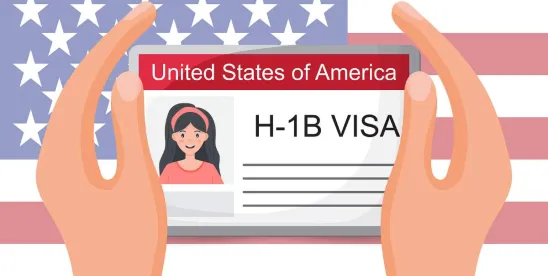
The U.S. Department of Labor (DOL) has officially launched Project Firewall, an initiative aimed at enforcing stricter compliance with the H-1B visa program. This enforcement strategy reflects the current administration’s commitment to prioritizing American workers while addressing potential abuses within the H-1B system.
Project Firewall focuses on two main areas: ensuring that companies give preference to skilled American workers and identifying instances of misuse related to the H-1B visa program. The initiative employs interagency collaboration, which includes partnerships with various federal agencies, to bolster investigations into employer practices.
Key Features of Project Firewall
One significant aspect of Project Firewall is the introduction of secretary-certified investigations. For the first time in DOL history, the Secretary of Labor can certify investigations based on reasonable suspicion of H-1B program violations without a formal complaint. This marks a notable shift in how the DOL approaches potential infractions.
Additionally, enforcement efforts will extend beyond the DOL. The initiative collaborates with agencies such as the U.S. Citizenship and Immigration Services, the Equal Employment Opportunity Commission, and the U.S. Department of Justice. This interagency approach aims to address a range of issues, including paperwork violations, wage theft, and discriminatory hiring practices.
Investigation Triggers and Potential Penalties
Project Firewall will target specific employer behaviors that warrant investigation. These include underpaying H-1B workers, failing to offer wages comparable to U.S. workers, misrepresenting job duties, and hiring foreign workers when qualified American candidates are available.
If employers are found in violation of H-1B regulations, they could face several repercussions. Consequences may include the payment of back wages, civil monetary penalties, and possible debarment from future participation in the H-1B visa program. This could prevent a company from hiring any H-1B workers for a designated period, significantly affecting their workforce strategies.
The implications of Project Firewall are far-reaching. For American workers, the initiative aims to safeguard jobs and wages, ensuring that employers prioritize qualified U.S. candidates.
Employers, particularly those in industries that heavily rely on H-1B workers, such as technology and engineering, need to take note. The initiative represents a significant shift in compliance requirements. Companies must now be prepared for potential audits and serious penalties if found in violation of regulations.
For H-1B visa holders and foreign nationals seeking employment in the U.S., Project Firewall may lead to a more cautious approach from companies regarding the use of the H-1B program. This could result in tighter recruitment practices and a reduction in reliance on foreign hires.
The launch of Project Firewall coincides with other recent changes to H-1B policies, including increased fees for H-1B petitions. Together, these actions underscore the administration’s intention to implement a more restrictive framework for high-skilled immigration.
Employers are advised to review their H-1B practices, including wage levels, recruitment processes, and necessary documentation such as Labor Condition Applications and Public Access Files. Ensuring compliance is critical to avoid triggering investigations and facing penalties under this new initiative.