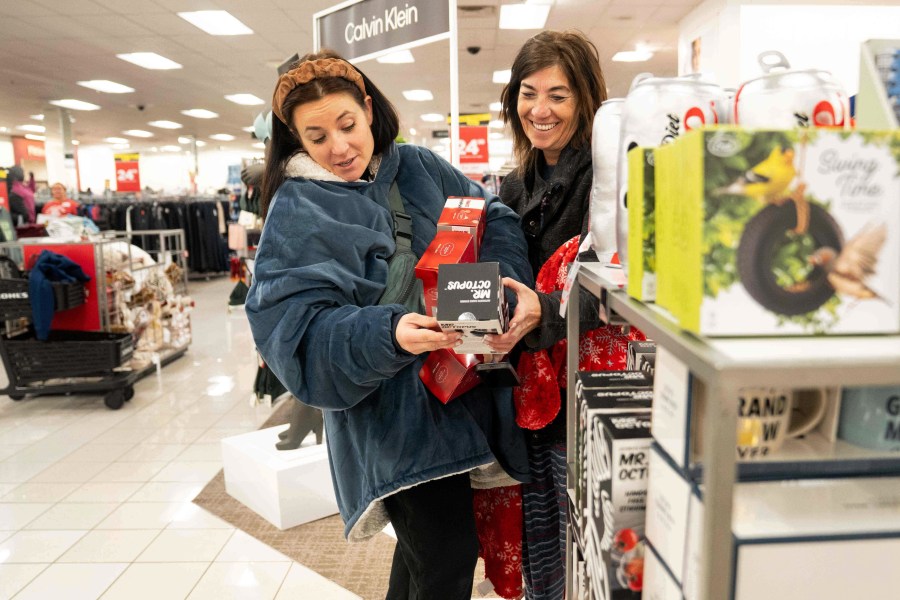
Sales at U.S. retailers and restaurants remained flat in October 2023 compared to the previous month. This stagnation reflects a cautious approach from consumers, who are reacting to rising prices and ongoing economic uncertainties following a period of increased spending over the summer.
The U.S. Department of Commerce reported on Tuesday that total retail sales, including restaurants, did not change from September. When excluding sales from motor vehicle and auto parts dealers, retail sales saw a modest increase of 0.4%. This suggests that while consumers are holding back, certain sectors may still be experiencing growth.
Economic pressures have prompted shoppers to moderate their expenditures. Many households are grappling with elevated costs of living, which has led to a more selective approach to spending. The summer months saw a surge in consumer activity, driven in part by pent-up demand as pandemic restrictions eased. This recent shift indicates a recalibration as families reassess their financial priorities.
According to the report, spending at restaurants and bars was a significant factor in the overall retail sales figures for October. Although total sales were unchanged, the restaurant sector is showing resilience, reflecting a continued appetite for dining out, even amid economic challenges.
Consumer Behavior and Economic Outlook
The stability in retail sales suggests consumers are taking a wait-and-see approach. Many are cautious about their financial futures, which could influence holiday spending patterns this year. Analysts are closely monitoring how this cautious sentiment will impact the retail landscape as the festive season approaches.
The retail and restaurant sectors are critical components of the U.S. economy, contributing significantly to employment and GDP. The Department of Commerce’s findings highlight the delicate balance between consumer confidence and spending behavior. As inflation persists and interest rates remain elevated, these factors will likely continue to shape consumer decision-making.
Experts note that while the flat sales figures may seem concerning, they also reflect a necessary adjustment period. With consumers having engaged in considerable spending earlier in the year, a slowdown could be indicative of a more sustainable economic environment rather than a sign of impending recession.
As the year progresses, the focus will shift to how retailers adapt to these changing dynamics. Strategies may include promotions and targeted marketing efforts aimed at encouraging consumer spending during the crucial holiday season, which typically accounts for a substantial portion of annual sales.
In conclusion, the unchanged retail sales in October highlight a pivotal moment for consumers and businesses alike. With economic uncertainties weighing heavily, stakeholders will need to navigate these challenges while seeking opportunities for growth as they head into 2024.