The United States Postal Service (USPS) is implementing a significant plan to enhance its “last-mile” delivery services as the agency warns it could face a financial crisis by early 2027. This initiative aims to expand the delivery network for major retailers and shippers, potentially generating crucial revenue to stabilize the agency’s finances.
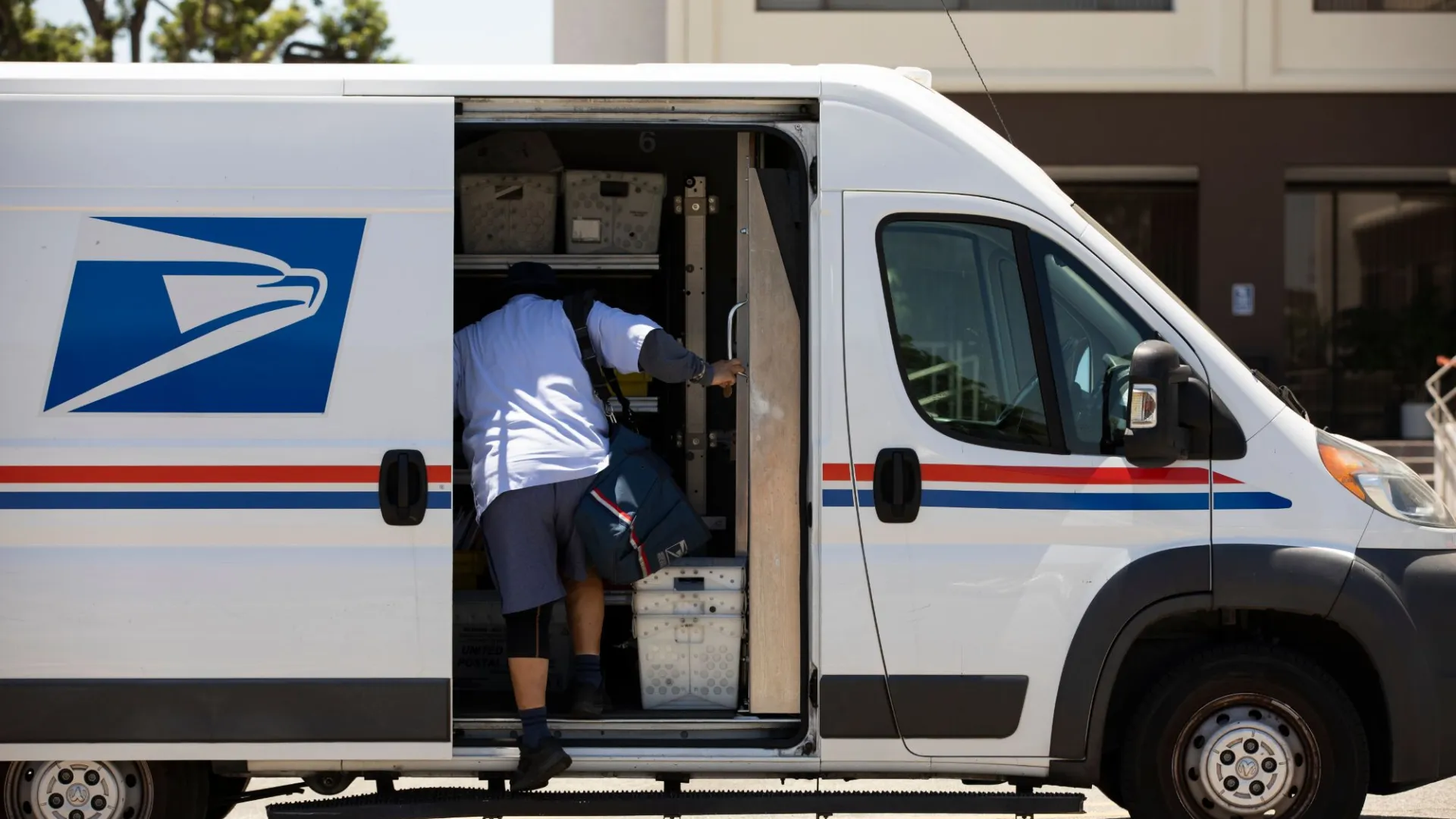
USPS is focusing on the last-mile delivery, which involves transporting mail and packages from local postal facilities, known as destination delivery units (DDUs), to their final destinations, such as homes or businesses. This segment of the delivery process is often the most complicated and costly, yet the Postal Service is well-positioned to lead in this area due to its extensive network that serves over 170 million addresses at least six days a week.
Postmaster General David Steiner emphasized the agency’s role in last-mile delivery during a recent news release, stating, “We are the natural leader in last-mile delivery.” While USPS has traditionally partnered with major companies like Amazon, UPS, and FedEx to improve efficiency, the agency is now looking to broaden its reach by inviting more shippers to participate through competitive bidding.
The Postal Service plans to open approximately 18,000 DDUs for last-mile deliveries to a wider array of customers. Steiner noted that interest from various companies is already substantial. Currently, USPS sells around 1.7 billion units of capacity from its last-mile distribution, generating between $5.5 billion and $6 billion annually. With recent modernization efforts, USPS has the potential to increase its capacity to between 3.5 billion and 4 billion units, which could significantly enhance revenue.
This new strategy comes as USPS faces a precarious financial situation. Steiner highlighted the agency’s dwindling cash reserves, stating, “We’re basically out of cash in early 2027.” He underscored the need for urgent administrative and legislative reforms, particularly after the agency reported a staggering $9 billion loss over the past year. Since 2007, USPS has accumulated net losses totaling an alarming $118 billion. This decline is largely attributed to a significant drop in first-class mail volume, which has reached its lowest levels in nearly six decades, according to the Government Accountability Office.
Steiner articulated the urgency of the situation, saying, “We had to do something dramatic and fast. We do not have the luxury of time.” He also noted the interdependent relationship between USPS and Amazon, as the e-commerce giant relies on USPS for the delivery of packages approximately 1.7 billion times each year. Earlier this month, Amazon indicated that it is in discussions with USPS regarding their future partnership, considering options before their current contract expires in the fall of 2024.
As USPS seeks to enhance its revenue streams, it faces challenges from other major players in the industry. Both UPS and Amazon have announced plans to cut 62,000 jobs in anticipation of the upcoming peak delivery season, while UPS is undergoing a historic overhaul in its operations.
The success of USPS’s last-mile delivery expansion will be pivotal in determining the agency’s financial stability in the coming years. With the potential to tap into a larger market and improve its service offerings, USPS is positioning itself to navigate a challenging financial landscape while meeting the demands of modern consumers.