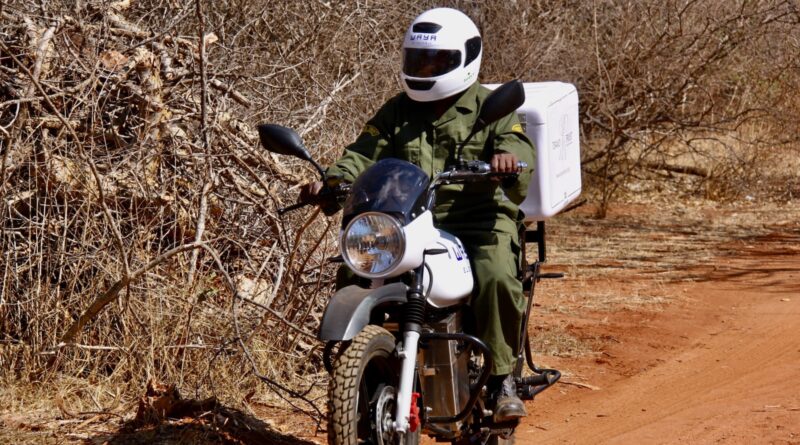
Kenya’s electric motorcycle industry is rapidly evolving, driven by innovative companies addressing the needs of traditional internal combustion engine (ICE) motorcycle users. One notable player, Waya Electric, has made significant strides in this sector, particularly in the Tsavo Conservation Area, where their electric motorcycles are enhancing conservation efforts while promoting sustainable transportation.
The Kenyan electric motorcycle landscape is marked by a surge in local enterprises aiming to fill gaps in the market, especially in the motorcycle taxi sector, known locally as boda boda. With over 2.5 million ICE motorcycles primarily serving this industry, the demand for reliable, eco-friendly alternatives is clear. Waya Electric entered the market later than some competitors but quickly distinguished itself through extensive research and development. The company identified a lack of performance-oriented products tailored to the unique challenges faced by users in rural and demanding environments.
Waya Electric’s approach involved listening closely to customer feedback, which revealed distinct needs for heavy-duty applications, particularly in rural and off-road contexts. Many existing electric motorcycles were designed for urban commuting, overlooking the realities of rugged terrains, long distances, and harsh conditions prevalent across much of Africa. As Heiko Rehm, Chief Technology Officer of Waya Electric, explains, “Our engineering philosophy starts from the ground up: build for the toughest environments first, and let everything else follow.”
The result is a line of electric motorcycles specifically engineered for challenging conditions. These vehicles are designed to excel in environments such as the Tsavo Conservation Area (TCA), which spans over 21,000 km² and constitutes around 4% of Kenya’s total land area. TCA is one of Africa’s largest wildlife conservation areas, and reducing emissions in such ecologically critical zones is essential. The introduction of electric motorcycles not only curtails carbon emissions but also significantly reduces noise pollution, which can disrupt wildlife.
Waya Electric’s motorcycles are currently deployed in various conservation efforts within TCA, highlighting their ability to operate effectively over uneven terrain, during long patrols, and in remote locations. Rehm emphasizes the relevance of this application: “When a motorcycle can consistently perform in a conservancy, it proves more than product reliability; it shows relevance. It shows that electric mobility can serve real community needs, support conservation teams, and operate where infrastructure is limited.”
The potential for electric motorcycles extends beyond conservation. Waya Electric identifies additional key applications in sectors such as last-mile delivery, particularly for liquefied petroleum gas (LPG), and other urban fleet management needs. Rural areas often require robust transportation solutions, especially in industries like agriculture and mining. Electric motorcycles could revolutionize daily operations for farmers, providing a sustainable alternative to the logistical challenges of transporting petrol and diesel to remote locations.
The integration of solar-powered charging stations for these electric motorcycles further enhances their viability in areas with limited access to traditional power sources. This reflects Waya Electric’s commitment to developing solutions that resonate with the realities of life in Africa, ensuring that technology fosters impact where it is most needed.
By focusing on locally driven solutions, Waya Electric not only supports the conservation of vital ecosystems but also illuminates the path toward a more sustainable future in transportation across the continent. This innovative approach exemplifies what it means to be “built for Africa”—engineering that resonates with the continent’s unique challenges and aspirations.