The season finale of A Knight of the Seven Kingdoms has sparked significant debate among fans of the Game of Thrones prequel series. The adaptation, primarily based on George R.R. Martin‘s novella The Hedge Knight, introduces a pivotal change that alters character dynamics and sets the stage for future conflicts. While the series has largely remained faithful to Martin’s work during its first season, this notable deviation has left many viewers feeling dissatisfied.
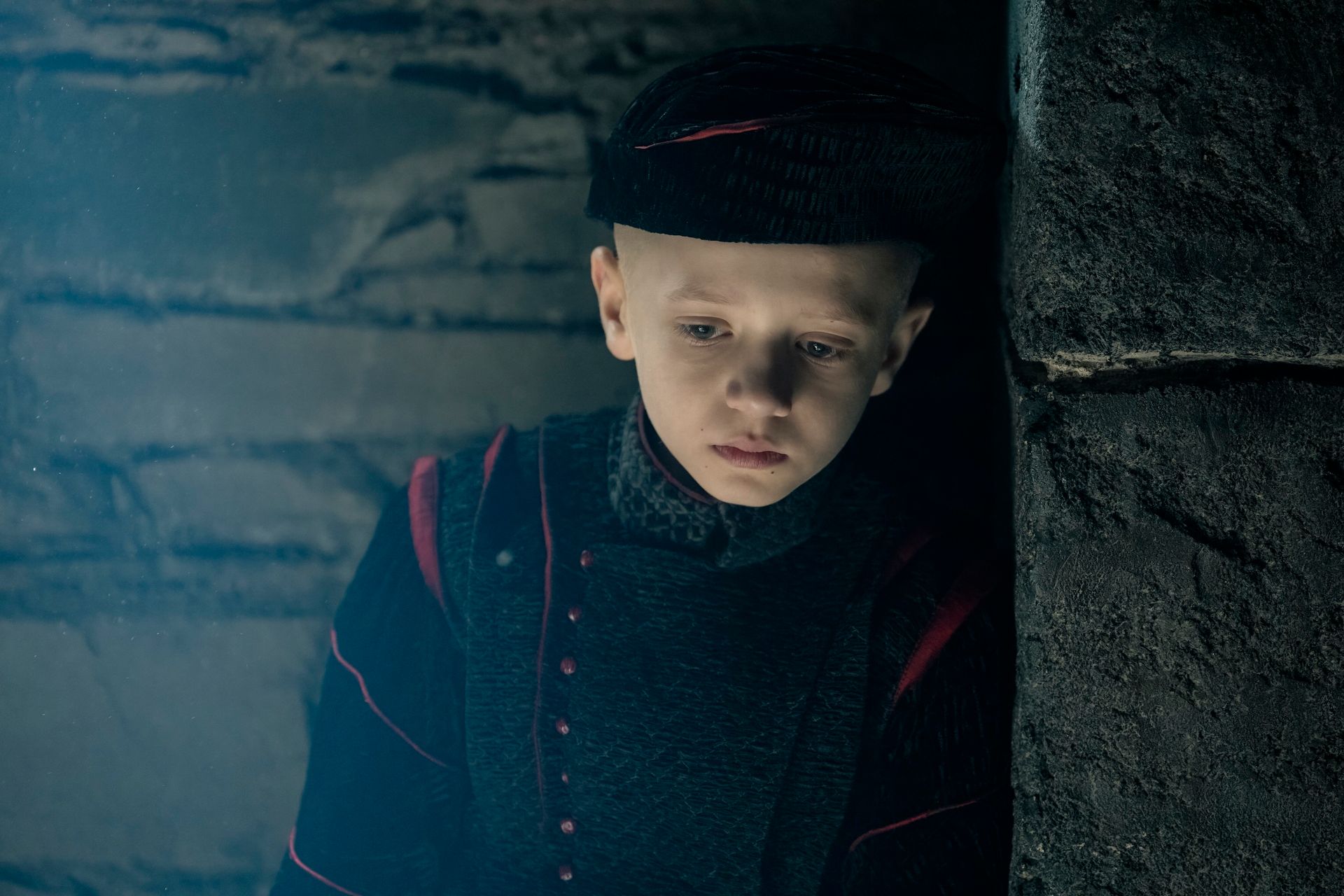
Throughout the first five episodes, Ira Parker and his team have closely followed the source material, incorporating dialogue directly from the novella. The storyline focuses on Ser Duncan the Tall, portrayed by Peter Claffey, and his squire, Egg, played by Dexter Sol Ansell. The narrative explores Dunk’s journey as he grapples with his mentor’s death and his unexpected partnership with Egg, who is ultimately revealed to be the future king of Westeros, Aegon Targaryen V.
In the original novella, Dunk’s acceptance of Egg as his squire culminates in a significant moment of triumph when Prince Maekar Targaryen reluctantly allows his son to train under Dunk, recognizing the hedge knight’s integrity and honor. This resolution reinforces the central themes of the story, highlighting the contrast between Dunk’s noble values and the often ruthless behavior of the aristocracy.
However, the television adaptation diverges in its finale, introducing a twist that has left fans questioning Dunk’s character. In the closing moments, it is revealed that Egg has deceived Dunk regarding his father’s approval to join him. Instead of securing Maekar’s blessing, Egg runs away, creating a scenario where Dunk might be perceived as a kidnapper or traitor. This plot twist not only alters the portrayal of Dunk as a mentor but also casts doubt on Egg’s character, shifting the narrative away from the themes of honor and decency that underpin the original story.
This alteration serves as a setup for potential conflict in future seasons. The implication is that Dunk and Egg may find themselves pursued across the Seven Kingdoms by the Targaryens, creating opportunities for new character dynamics and confrontations. Yet, for many fans, this change feels like a betrayal of Dunk’s character arc. The original novella’s resolution emphasizes Dunk’s triumph over adversity, which is diminished in the series with Egg’s manipulative actions.
The response from the fanbase has been passionate. Many express frustration over the alteration, viewing it as a significant departure from the essence of Dunk’s journey. The emotional stakes of the story, which revolve around the mentorship and mutual respect that develops between Dunk and Egg, are jeopardized by this new direction. As one viewer put it, the series seems to undermine Dunk’s integrity, presenting him instead as a figure who is easily deceived and manipulated.
As the first season of A Knight of the Seven Kingdoms concludes, audiences are left pondering the implications of this change. While the series has the potential to explore new narratives and conflicts, many fans are left wondering if the essence of Martin’s work has been compromised in the process.
The complete first season is now streaming on HBO Max, inviting both fans and newcomers to engage with this controversial reimagining of Martin’s classic tale. With season two on the horizon, viewers will be watching closely to see how these changes impact the overarching narrative and character development in this beloved universe.