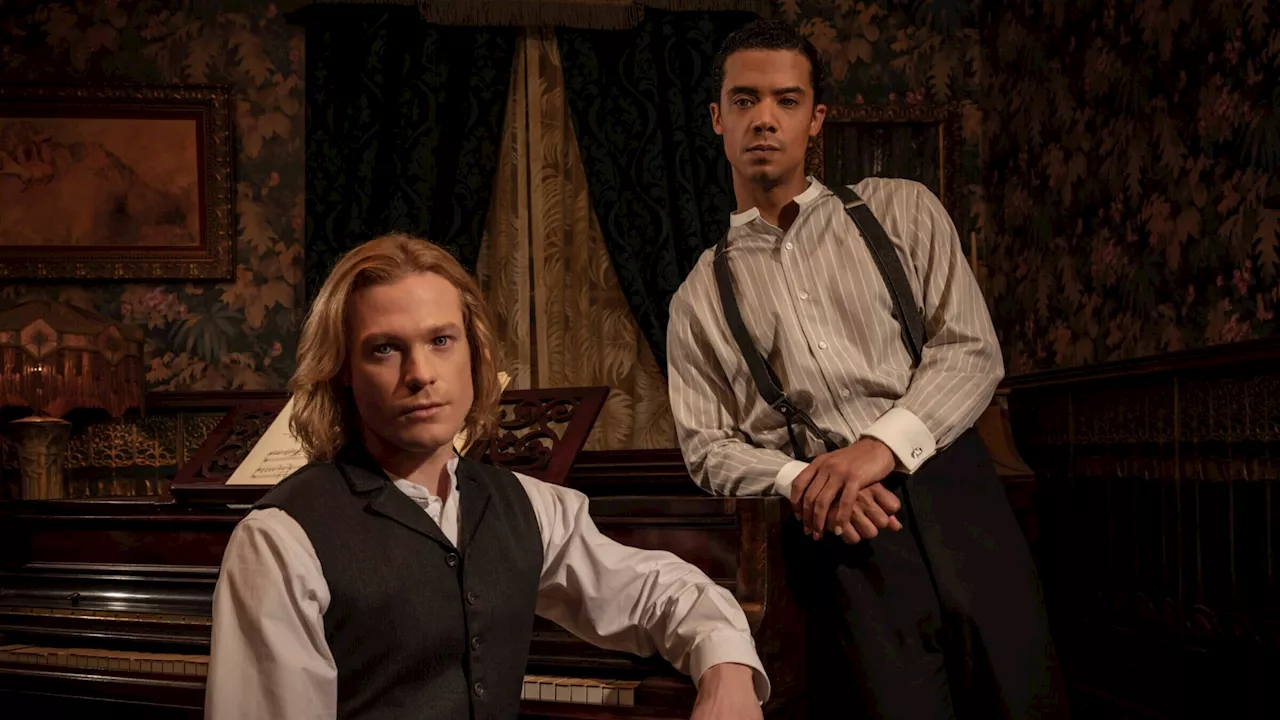
AMC’s adaptation of Interview With the Vampire has garnered significant praise for its high production quality and powerful performances, particularly from stars Sam Reid and Jacob Anderson. As the series approaches its third season in 2026, it has become a prominent example of engaging television. However, it also faces criticism for its departure from Anne Rice‘s source material and for misrepresenting key characters, raising concerns among long-time fans of the original novels.
The series, which premiered in 2022, offers a fresh take on the complex narrative of Louis de Pointe du Lac, a vampire grappling with his identity and his tumultuous relationship with his maker, Lestat de Lioncourt. While the television format allows for an expansive storytelling approach, capturing the essence of Rice’s expansive world, the adaptation diverges significantly from the themes and character motivations present in the novels.
A notable shift is the reimagining of Louis as a queer Black man in early 20th century New Orleans, a departure from the original character who was a white French slave owner in 18th century Louisiana. This change, while controversial, has been acknowledged as a positive step by some critics, who argue that it enhances the narrative’s focus on identity and personal struggle. Anderson’s portrayal of Louis, along with the representation of Claudia, has received commendation for its depth and nuance.
However, the series’ adaptation has been criticized for fundamentally misunderstanding Louis’s character. In the television version, his internal conflict revolves primarily around self-acceptance and the impact of racism, overshadowing the existential themes that define his character in Rice’s novels. In the books, Louis wrestles with profound issues of faith, morality, and the very nature of existence. His struggles are not merely personal; they are philosophical inquiries into the essence of life and the concept of guilt.
Similarly, Lestat’s character has also been altered. The series portrays him as a more overtly abusive figure, diminishing the complexity of his persona that Rice crafted. In the novels, Lestat is a darkly charming and manipulative character, whose relationship with Louis is characterized by a blend of seduction and emotional depth. The adaptation shifts this dynamic, presenting Lestat in a more simplistic light, which detracts from the intricate interplay between the two characters.
As the series progresses towards its third season, which will adapt the second book in Rice’s series, there are concerns about how the show will handle the introduction of new characters, including Lestat’s mother, now named Gabriella. This change raises eyebrows, particularly regarding the portrayal of her character. In a recent interview, showrunner Rolin Jones discussed the decision to rename Gabrielle and referenced the need for “feminine vampiric blood” in the narrative. This statement has sparked apprehension among fans who fear that the adaptation may overlook significant aspects of Gabrielle’s character, who in the novels embodies a more ambiguous gender identity.
Adapting literary works inevitably involves changes. While some shifts may enhance storytelling, others risk losing the essence of the source material. Critics argue that the alterations in AMC‘s adaptation detract from the themes that give Rice’s work its depth. The focus on erotic elements and the deviation from the core emotional struggles of characters may lead to a narrative that feels more like fan fiction than a faithful adaptation.
In summary, while Interview With the Vampire has been praised for its artistry and performances, it remains a contentious adaptation of Rice’s celebrated novels. As anticipation builds for the upcoming season, fans hope for a more nuanced approach to the characters and themes that define the original story. Balancing creative reinterpretation with respect for the source material will be crucial in determining the series’ legacy as it continues to unfold.