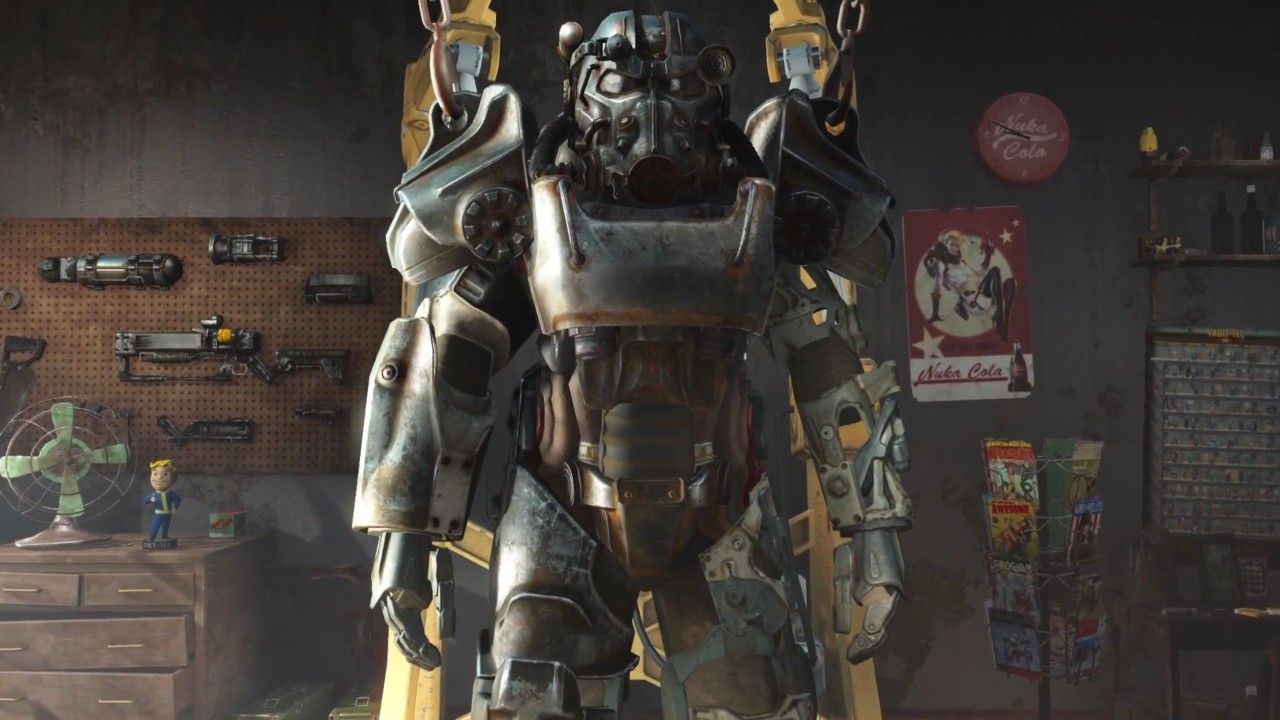
Emil Pagliarulo, a prominent writer for Bethesda, recently shared insights on the narrative complexities distinguishing the fantasy role-playing game (RPG) series *The Elder Scrolls* from the sci-fi RPG series *Fallout*. During an interview with GamesRadar+, he highlighted the inherent challenges players face when navigating the morally ambiguous world of *Fallout* compared to the more straightforward storytelling typical of fantasy titles like *Skyrim*.
The depth of decision-making in *Fallout* games, particularly in *Fallout: New Vegas*, adds layers of complexity. Pagliarulo noted that players encounter numerous factions, each with their own agendas. Determining the right allies is often fraught with ambiguity, as not all choices lead to clear moral outcomes. He remarked, “There are a lot of shades of gray,” especially when considering the different factions within the *Fallout* universe.
In contrast, Pagliarulo explained that *The Elder Scrolls* series presents a more distinct moral landscape. “In a fantasy game like *The Elder Scrolls*, a lot of fantasy tropes are ‘there’s a big bad evil’,” he stated. This clarity allows players to engage with the narrative in a straightforward manner. The delineation between good and evil tends to be more pronounced, creating a different type of engagement.
Pagliarulo specifically referenced *Fallout 4*, where players must grapple with the ideologies of factions like the Brotherhood of Steel and the Institute. He noted that, regardless of their actions, these groups provoke deeper questions about morality and humanity’s relationship with technology. “You have to sit back and go, ‘maybe they have a point’,” he said, emphasizing the philosophical dilemmas the game presents.
The Institute’s creation of synthetic beings raises additional ethical questions. Pagliarulo asked, “Are the synths just really toasters? Are they just machines? We created them; do they deserve to have freedom?” This line of questioning illustrates how *Fallout* invites players to reflect on complex issues rather than offering simple resolutions.
As players embark on their adventures, these moral inquiries contribute to the enduring appeal of the *Fallout* series. Pagliarulo’s reflections resonate with fans, as many continue to explore the narrative depths of *Fallout: New Vegas* and other titles within the franchise.
In summary, the contrasts between *Fallout* and *The Elder Scrolls* highlight the unique storytelling approaches employed by Bethesda. While *Elder Scrolls* may offer a clear path through a fantastical realm, *Fallout* challenges players to navigate a morally gray landscape, prompting profound questions about humanity and technology. The insights from Pagliarulo serve to deepen the appreciation for the intricate narratives crafted within these beloved game franchises.