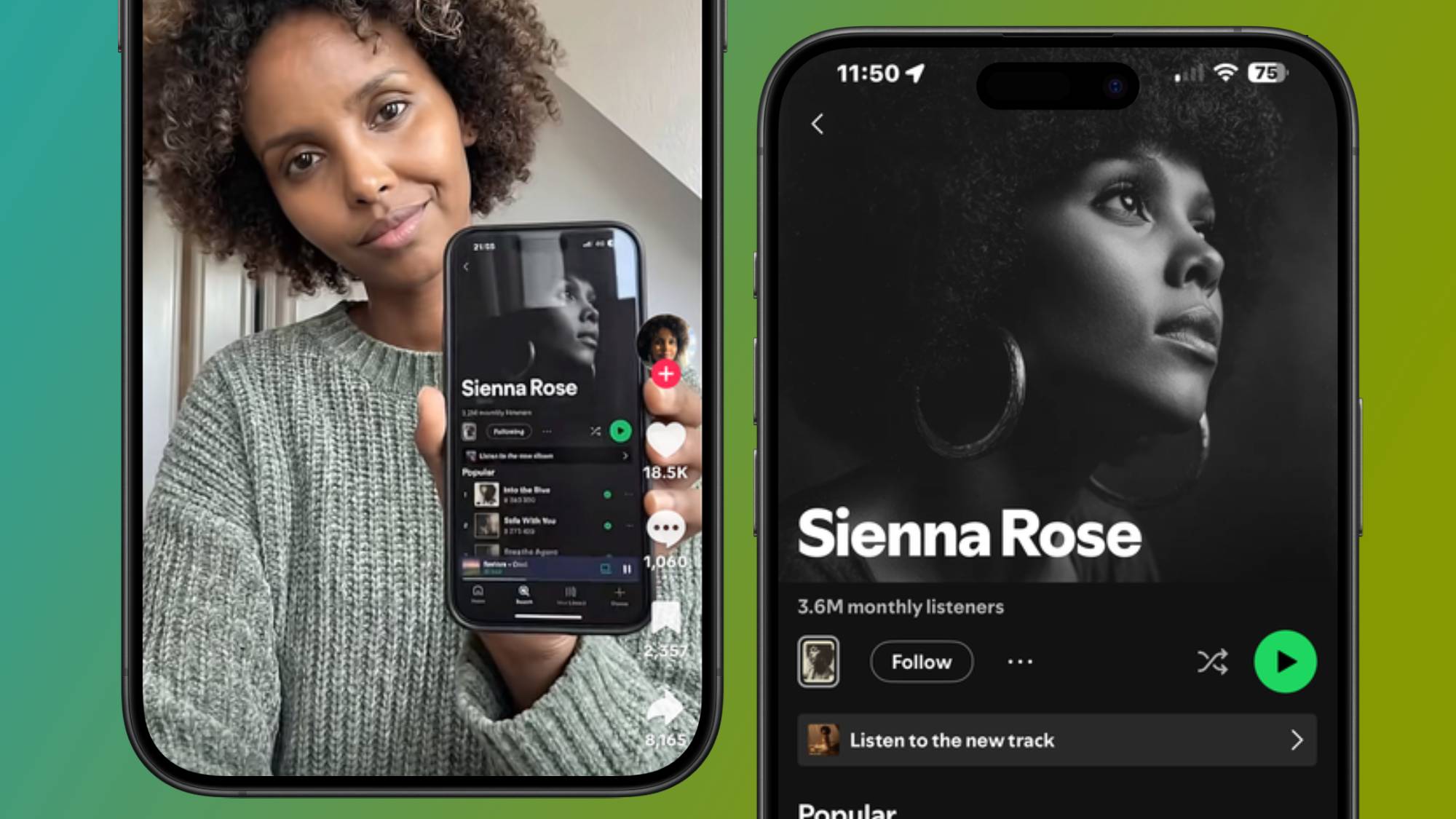
The music streaming platform Deezer has confirmed that the rapidly rising artist, Sienna Rose, is entirely AI-generated. Despite accumulating over 3.6 million monthly listeners and three tracks in Spotify’s Viral 50 playlist, the platform has flagged her music as artificial. This revelation comes amid ongoing discussions about the rise of AI in the music industry and its implications for artists and listeners alike.
Deezer stated that the majority of Sienna Rose’s albums are identified as AI-generated through their detection tools. The company emphasized the importance of transparency in the evolving music landscape, declaring, “We think it’s vitally important to be transparent with listeners and fair to artists.” In light of this, Deezer has committed to removing fully AI-generated tracks from its algorithmic recommendations and editorial playlists.
The phenomenon surrounding Sienna Rose raises questions about authenticity in music. Although her tracks have garnered millions of streams, many listeners have expressed skepticism regarding the legitimacy of her persona. Observers have noted a range of indicators that suggest her music lacks the depth typically associated with human artists. For instance, her songs have drawn criticism for their “generic” sound, bland lyrics, and repetitive beats, all common characteristics found in AI-generated compositions.
The release schedule for her music has also been astonishing. According to the BBC, Sienna Rose released over 45 songs between September 28 and December 5, a pace that many find implausible for a human artist. This rapid production has further fueled speculation about her authenticity.
Additionally, the absence of a substantial social media presence raises eyebrows. While many artists leverage platforms like TikTok and Instagram to build their following, Sienna Rose’s online activity appears limited. A TikTok account attributed to her has only 3,867 followers, which seems incongruent with her streaming success. Videos purportedly featuring her have gone viral, yet the lack of verifiable engagement from a burgeoning artist raises concerns.
One particular video, showcasing Rose on a nameless podcast with an unrecognizable host, has drawn further scrutiny. This lack of identifiable context adds to the theory that her entire persona may be a product of artificial intelligence rather than a legitimate artist.
Despite the mixed reactions from listeners, this situation highlights a broader trend within the music industry. Over 30% of new music on Deezer is reportedly AI-generated, prompting debates about the future of music creation and consumption. As AI-generated music becomes more prevalent, the challenge for platforms like Spotify and Deezer will be to navigate the balance between innovation and authenticity.
The situation surrounding Sienna Rose serves as a pivotal moment in the discussion of AI in the music industry. As fans and industry insiders grapple with these changes, the implications for artists and audiences will likely continue to evolve. Deezer’s commitment to transparency may set a precedent for how other platforms handle similar issues in the future.
In an age where technology shapes creativity, the line between genuine artistry and artificial creation is becoming increasingly blurred. The case of Sienna Rose exemplifies the complexities that arise as AI music garners both popularity and skepticism.