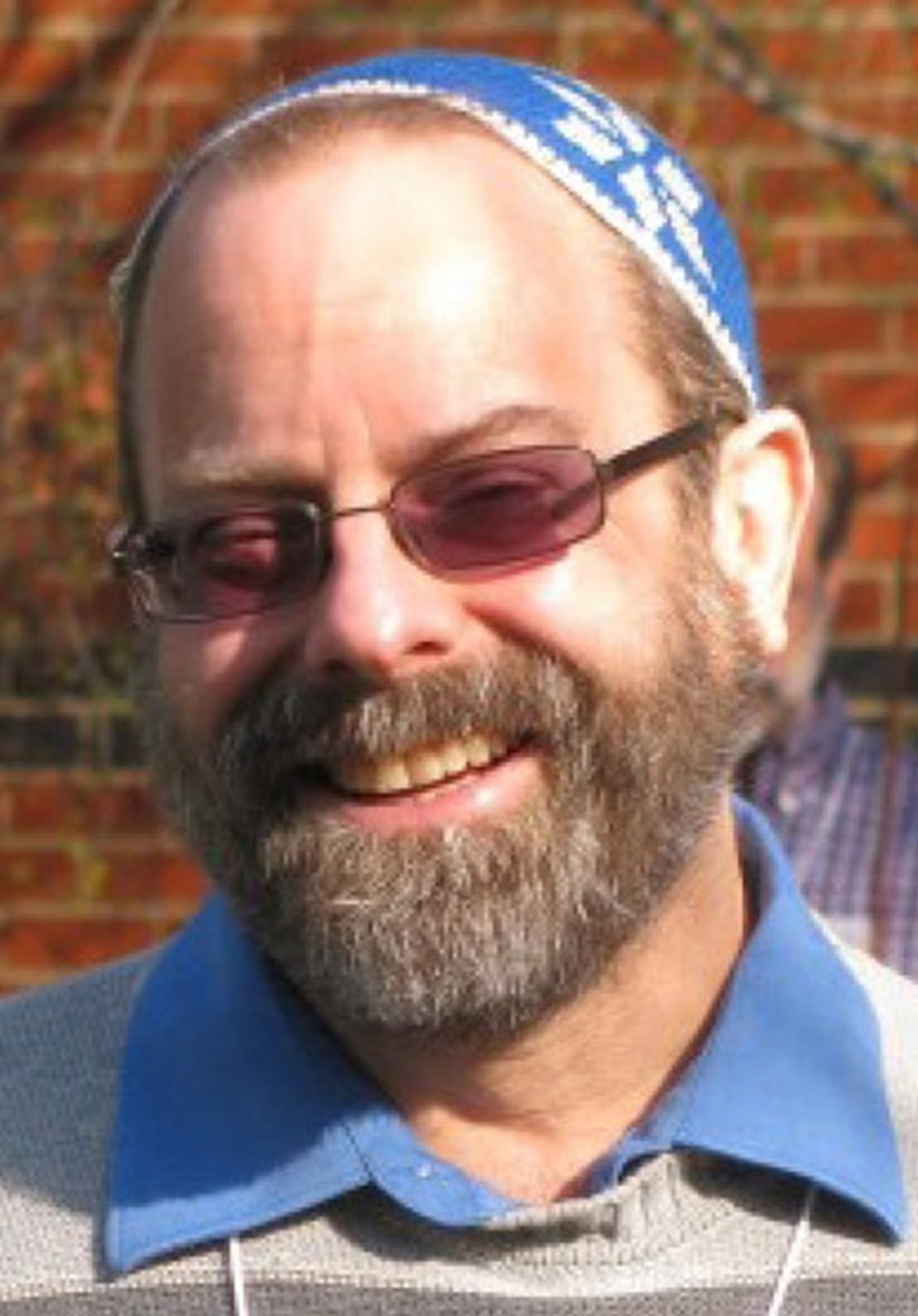
Rabbi Daniel Swartz, spiritual leader of Temple Hesed in Scranton for over 20 years, emphasizes the importance of recognizing our shared humanity in a world increasingly marked by division and hatred. In a recent message, he invoked the sentiments of singer and actress Ethel Waters, who famously stated, “I am somebody ’cause God don’t make no junk!” This assertion resonates across various faiths, affirming that every individual possesses inherent worth.
The rabbi highlighted a significant biblical principle found in Matthew 25:35, where Jesus urges followers to welcome strangers. Swartz underscored that the commandment to treat others with fairness and compassion is reiterated throughout the Hebrew Scriptures, appearing approximately 36 times. This repetition underscores a critical truth: the divine concern for how we treat others, particularly those who are marginalized or different from us.
Swartz pointed out that humanity has a troubling tendency to label entire groups as less than human based on factors like religion, ancestry, or ethnicity. This labeling often precedes acts of violence. He noted the historical context of such dehumanization, referencing tragedies like the murders at Bondi Beach and the horrific genocides that have marked human history. The rabbi cautioned that the persistent portrayal of certain groups as “garbage” or “infestations” can lead to a dangerous mindset, allowing individuals to justify violence against others.
Understanding the biblical call to love the stranger does not require agreement or affection towards them, Swartz clarified. Instead, it calls for a recognition of our shared humanity. He argued that this acknowledgment fosters compassion and can lead to acts of heroism, citing figures like Ahmed al Ahmed in Australia, who have exemplified this principle by standing against injustice.
As the days grow shorter and colder, many faith traditions engage in rituals that symbolize bringing light into darkness. Swartz described the significance of these practices, from lighting a menorah to decorating with countless Christmas lights. While these physical representations of light are beautiful, he stressed that they symbolize a deeper obligation: to illuminate the darkness of hatred and fear with faith and compassion.
He posed a poignant question: Can light truly overcome the depth of darkness that exists in many parts of the world today? The rabbi expressed his belief that courage is essential in this struggle. He called for individuals to resist the urge to retreat in fear but instead to stand firm in their values, echoing the resolve of the Maccabees.
Swartz urged that for light to effectively dispel darkness, proactive measures are required. This means living in a way that celebrates both our common humanity and our differences. He concluded by reaffirming the belief that “God does not make junk,” asserting that the richness of humanity lies in its diversity.
In this call for compassion and unity, Rabbi Swartz invites all to embrace the courage and wisdom necessary to recognize and celebrate the vast array of “somebodies” that constitute our shared world.