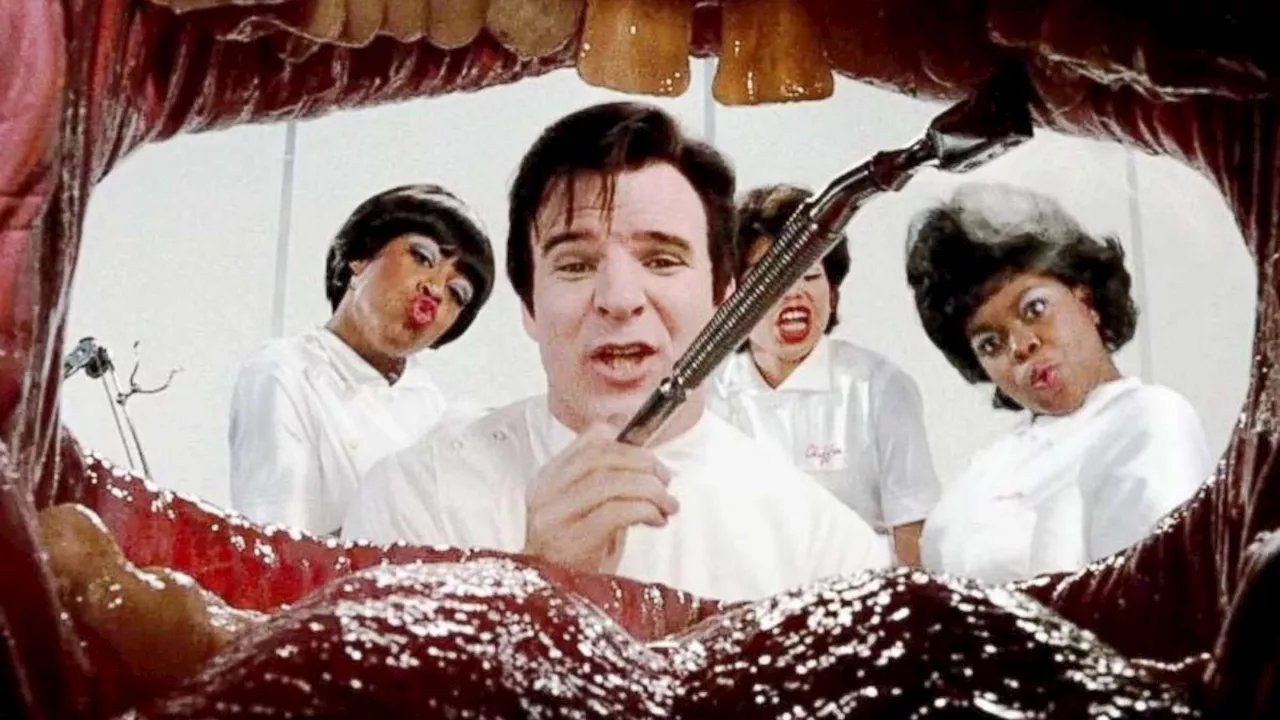
The 1986 film Little Shop of Horrors has transformed from a modest box office release into a beloved cult classic, celebrated for its unique blend of horror, comedy, and musical elements. Directed by Frank Oz, this adaptation of the Off-Broadway hit by Howard Ashman and Alan Menken has faced significant scrutiny due to its controversial ending, which was altered following a negative audience reaction during test screenings.
Originally, Oz’s adaptation retained the darker finale of the stage musical, where the protagonist, Seymour Krelborn, faces dire consequences for his Faustian bargain with a man-eating plant. However, during a test screening in San Jose, audience reactions turned sharply against the film as the tone shifted to tragedy. The backlash was severe enough to prompt the studio to intervene, leading to the removal of a crucial 23-minute climax and the creation of a more upbeat ending. In this revised conclusion, Seymour successfully defeats the monstrous plant and escapes with his love interest, Audrey, to a life of suburban bliss.
While this ending provided immediate satisfaction for viewers, it diluted the film’s underlying themes. The narrative revolves around the consequences of ambition and the moral decay that accompanies the pursuit of fame and fortune. In the sanitized version, Seymour’s actions, which include feeding human beings to the plant, go unpunished. This shift transformed a sharp satire of capitalist greed into a more innocuous comedy, ultimately undermining the film’s narrative weight.
Restoration of the Director’s Vision
It took 26 years for the original vision of Little Shop of Horrors to be restored. In 2012, the Director’s Cut was released, revealing the film’s true ending where Seymour’s efforts to save Audrey fail, and both characters meet a grim fate at the hands of the plant. This restored climax serves as a cautionary tale about the costs of unchecked ambition, aligning with the film’s original intent.
The Director’s Cut also showcases remarkable technical achievements that were excluded from the original release. The sequence depicting the plant’s rampage through New York City employs impressive miniatures and puppetry, further highlighting the craftsmanship of practical effects in the 1980s. By restoring this footage, the film honors the collaborative efforts of Oz, Ashman, and Menken, allowing audiences to appreciate the intricate work that went into creating this cinematic experience.
The impact of Little Shop of Horrors extends beyond its narrative and technical elements. It has become a reference point in discussions of artistic integrity versus commercial viability in the film industry. The decision to alter the ending demonstrates the challenges filmmakers face in balancing their creative vision with audience expectations.
In its current form, the film remains a testament to the power of storytelling, blending humor, horror, and musicality into a unique cinematic experience. The evolution of Little Shop of Horrors serves as a reminder of the importance of artistic authenticity and the lasting impact of a story that resonates with audiences across generations.