Google issued an apology on March 12, 2024, for sending out a push notification that contained an offensive term related to the recent controversy surrounding the BAFTA Film Awards. The notification, which included the N-word, was received by a small number of users and was not the result of an artificial intelligence error, as some had speculated. According to the company, a failure in the system’s safety filters led to the inappropriate term being included in the message.
Details of the Incident
The problematic notification linked to an article from The Hollywood Reporter titled, “How the Tourette’s Fallout Unfolded at the BAFTA Film Awards.” In the message, Google added further text that read “See more on,” followed by the N-word. A spokesperson for the company stated, “We’re deeply sorry for this mistake. We’ve removed the offensive notification and are working to prevent this from happening again.”
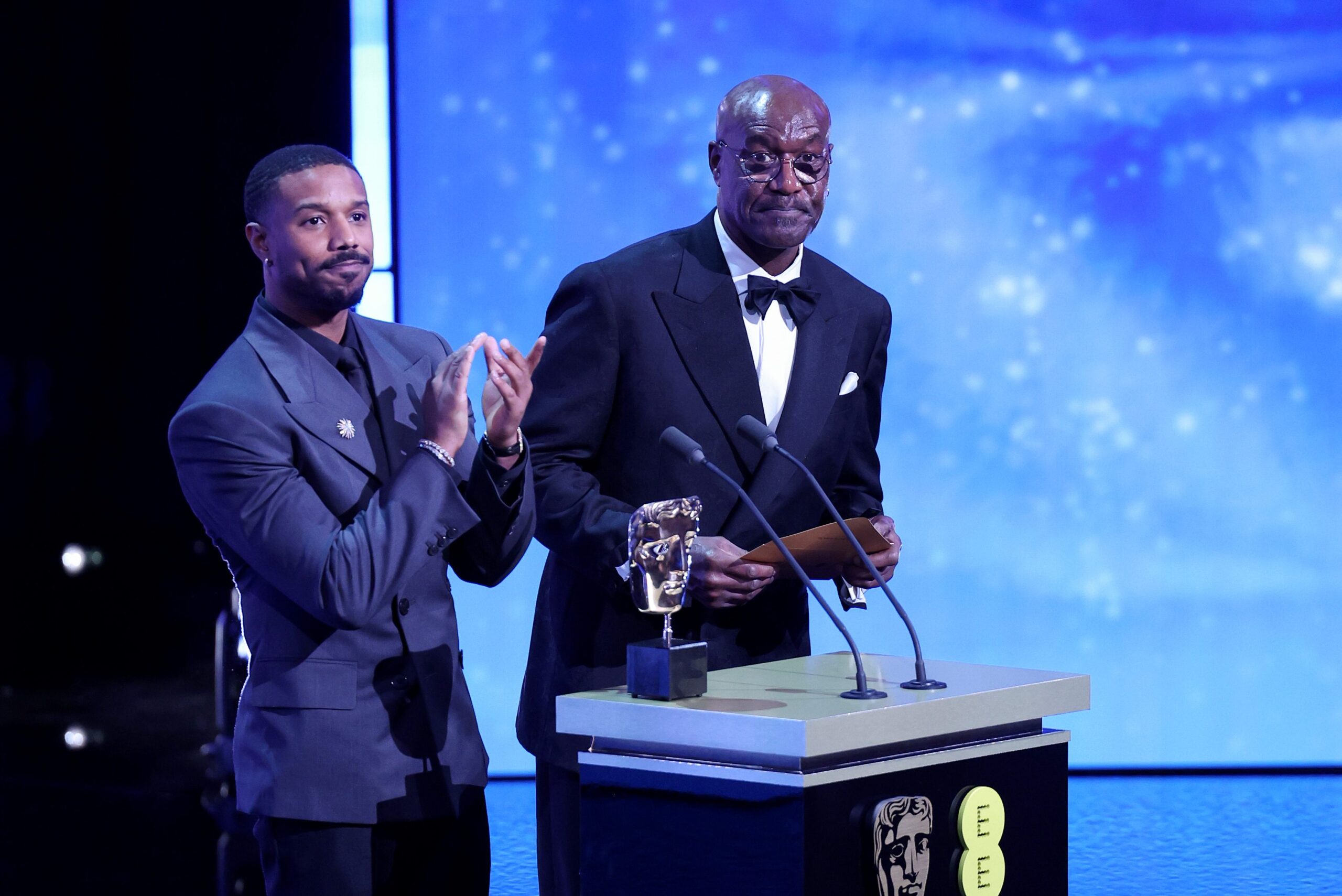
This incident occurred in the wake of the BAFTA Film Awards, where activist John Davidson, who has Tourette’s syndrome, shouted the N-word during a live presentation by actors Michael B. Jordan and Delroy Lindo. The moment was broadcast without any edits, prompting discussions about the challenges faced by those with the condition.
BAFTA’s Response
In response to the incident at the awards ceremony, BAFTA Chair Sara Putt and CEO Jane Millichip addressed the situation in a letter to BAFTA members. They acknowledged the harm caused by the incident and expressed their commitment to addressing the matter seriously. The letter emphasized the need for a “comprehensive review” to understand what happened and to prevent similar occurrences in the future.
The BAFTA Film Awards, held on March 10, 2024, have faced scrutiny following the controversial moment with Davidson. The organization is now focused on addressing the fallout and ensuring that all future events are handled with sensitivity and care.
The combination of Google’s misstep and the BAFTA incident has sparked broader conversations about the portrayal of individuals with disabilities in the media and the responsibilities of organizations to manage sensitive content effectively.