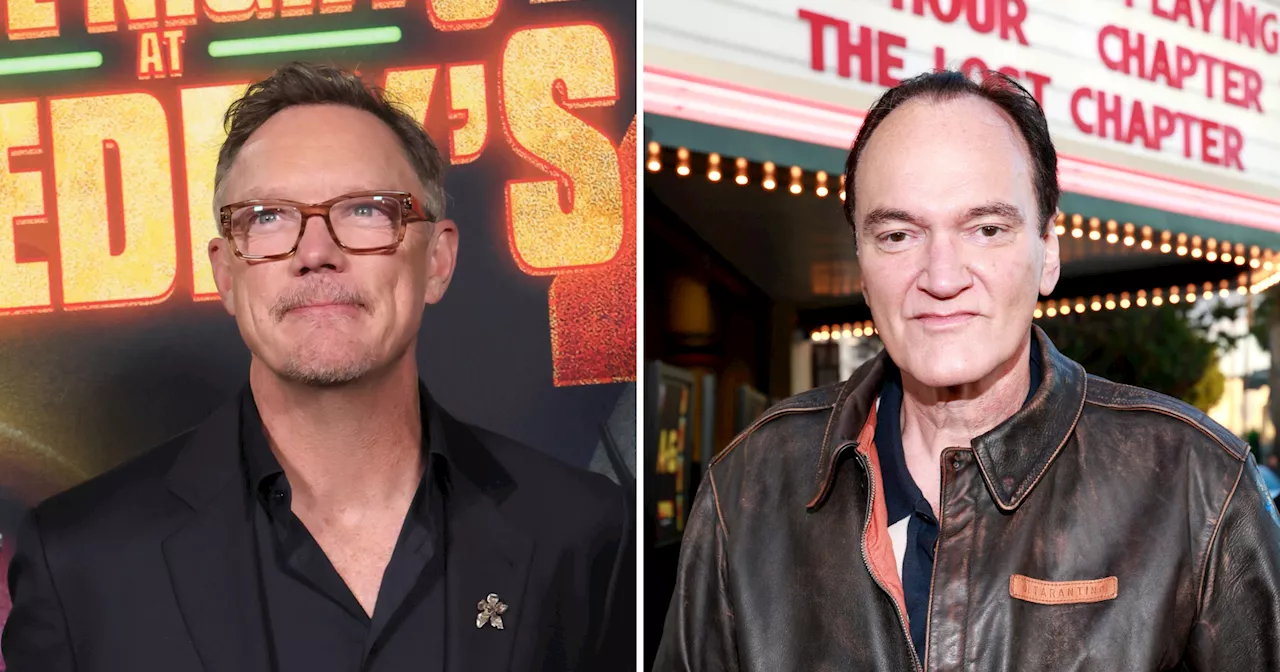
Matthew Lillard has addressed recent comments made by acclaimed filmmaker Quentin Tarantino, who openly criticized Lillard’s acting abilities during a podcast. Speaking at GalaxyCon in Columbus, Ohio, on December 5, Lillard acknowledged the impact of Tarantino’s remarks, stating that they “hurt” him personally.
During the event, Lillard recounted Tarantino’s comments, noting, “Quentin Tarantino this week said he didn’t like me as an actor.” This statement prompted a negative reaction from the audience, which booed in response. Lillard continued, expressing his feelings candidly: “It hurts your feelings. It f***ing sucks.” He emphasized that such criticism is not typically directed at top-tier actors, remarking, “You wouldn’t say that to Tom Cruise. I’m very popular in this room. I’m not very popular in Hollywood.”
The tension stems from Tarantino’s appearance on “The Bret Easton Ellis Podcast,” where he discussed his favorite films of the 21st century and shared his least favorite actors. While praising legendary actor Daniel Day-Lewis for his performance in “There Will Be Blood,” Tarantino criticized Paul Dano, calling him “the weakest male actor in SAG.” He elaborated that Dano’s portrayal detracted from the film’s intended dynamic, stating, “The movie would’ve had more… stringiness to the beef.”
In his critique, Tarantino did not stop at Dano. He included Lillard in a list of actors he does not favor, expressing his lack of enthusiasm for Lillard’s work. “I don’t care for Owen Wilson, and I don’t care for Matthew Lillard,” Tarantino stated. He described his initial viewing of a film featuring Wilson, mentioning that his feelings evolved with subsequent viewings, yet he did not extend the same sentiment towards Lillard.
Lillard’s response highlights the emotional toll that criticism can take within the entertainment industry. His candid remarks illuminate the often stark realities faced by actors, particularly those who may not achieve universal acclaim. He reiterated the humbling nature of such public critiques, stating, “It’s humbling, and it hurts.”
The exchange has sparked broader discussions about the nature of criticism in Hollywood, as well as the pressures actors face in an industry that often evaluates talent with a critical eye. Lillard’s ability to respond with humor and vulnerability has resonated with fans and industry observers alike, showcasing the human side of navigating a challenging profession.
As this dialogue continues, both Lillard and Tarantino remain significant figures in the entertainment world, each contributing to a complex landscape of artistry and criticism.