The latest installment of the iconic horror franchise, Scream 7, has hit theaters, but early reviews suggest it lacks the innovation that once set the series apart. Released in October 2023, the film brings back familiar faces and tropes, yet fails to deliver the suspense and originality that fans have come to expect.
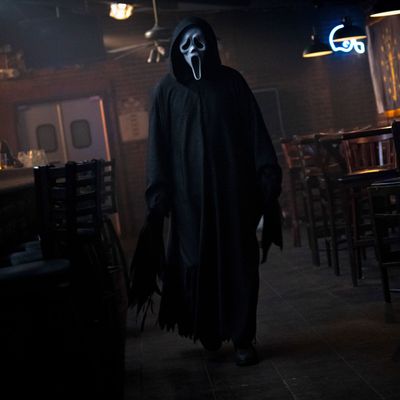
The movie opens with a young couple visiting the suburban house from the original film, now a tourist attraction featuring crime-scene outlines and an animatronic Ghostface. It’s a clear metaphor for the film itself: robotic, predictable, and lacking genuine fright. As expected, this couple meets a gruesome fate, but the over-the-top violence feels forced rather than inventive, leaving audiences longing for the charm and creativity of earlier entries.
Stripped of its original charm, the plot centers around Sydney Evans (formerly Prescott), portrayed by Neve Campbell. She fights to protect her teenage daughter, Tatum (played by Isabel May), from a new Ghostface killer terrorizing their small-town enclave of Pine Grove, Indiana. The film introduces a twist where the killer, potentially Stu Macher (played by Matthew Lillard), who was presumed dead in the first movie, makes a reappearance via FaceTime. This intriguing setup, though, ends up lacking any significant payoff as the narrative unfolds.
One key element of the Scream franchise has been the set pieces—chase scenes marked by a blend of horror and humor. In previous films, the human flaws of the killers contributed to a disarming effect that amplified the horror of the scenarios. Unfortunately, Scream 7 does not capitalize on this dynamic. While the killings are undeniably graphic and shocking, they lack the engaging interplay that made earlier films memorable.
Director Kevin Williamson, who has written several entries in the franchise, takes the reins for the first time with this installment. Despite visually promising locations, such as a construction site and a high-school theater stage, the execution feels tired and uninspiring. Even the intriguing idea of a panic room in Sydney’s house is underutilized, as the film shies away from embracing absurdity that could elevate the horror experience.
The production faced controversy when actress Melissa Barrera was dismissed following social media posts critical of Israel amidst the ongoing conflict in Gaza. This incident, combined with the departure of co-star Jenna Ortega, has led to calls for boycotts of the film, overshadowing its release.
Despite these challenges, Scream 7 was determined to move forward. The urgency to maintain the franchise and meet a scheduled release date seemed to overshadow any creative motivations. The first Scream film was a sharp critique of Hollywood’s cynicism; the latest entry appears to embody it.
In an age where horror films can explore self-awareness and societal issues, Scream 7 seems trapped in a cycle of repetition. As the franchise continues to churn out sequels, one can only hope that future installments will find a way to revitalize the spirit that made the original so groundbreaking.
In summary, while Scream 7 delivers the expected thrills of a slasher film, it struggles to break new ground or develop its characters meaningfully. With its reliance on familiar tropes and lack of genuine innovation, the film leaves audiences questioning the direction of a franchise that once redefined the horror genre.