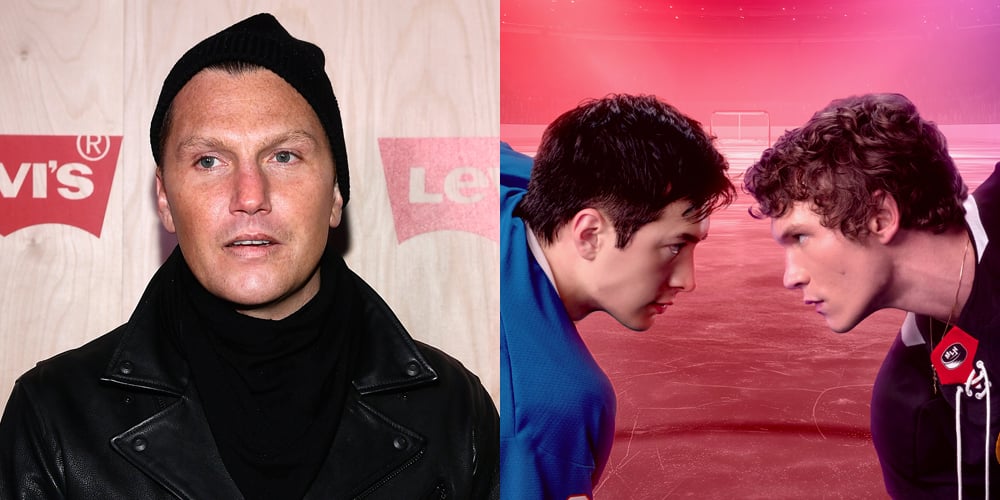
Former NHL player Sean Avery has expressed his thoughts on the new gay hockey romance series, Heated Rivalry. The show, which is available on Crave and HBO Max, has sparked conversations around representation and inclusivity in professional sports. Avery, who played 12 seasons in the NHL, shared his perspective in an interview with Rolling Stone.
Avery acknowledged that while he does not personally know any gay players, he suspects he may have had a closeted teammate during his career. He stated, “I don’t know firsthand of any gay players past or present. That being said, I do think I must have had a gay closeted teammate at some point in my career.” He believes that the success of Heated Rivalry could pave the way for the first openly gay player in the NHL.
Throughout his career, Avery has been a vocal supporter of LGBTQ+ rights, even participating in a 2011 video for the Human Rights Campaign to advocate for same-sex marriage. His commitment to inclusivity extends beyond advocacy; he is also actively engaging with the representation of LGBTQ+ stories in hockey.
Despite his support for the show, Avery has a candid view of its quality, stating, “I love Heated Rivalry. It’s the worst hockey show ever made, but the most incredible gay hockey show ever made.” He admits that while he enjoys the storyline, he often has to look away during the more graphic scenes.
In addition to his commentary on the series, Avery has also ventured into literature. Earlier this year, he co-authored a hockey romance book titled Summer Skate with Leslie Cohen. This new title adds to the growing genre of hockey romances, and it is available for purchase on platforms like Amazon.
Avery’s insights highlight the evolving conversation around sexuality in sports, particularly in a traditionally conservative environment like professional hockey. As the visibility of LGBTQ+ narratives increases, the hope is that it will encourage more players to embrace their identities openly. Avery’s reflections not only contribute to this dialogue but also show that entertainment can play a significant role in challenging stereotypes and fostering acceptance within sports.