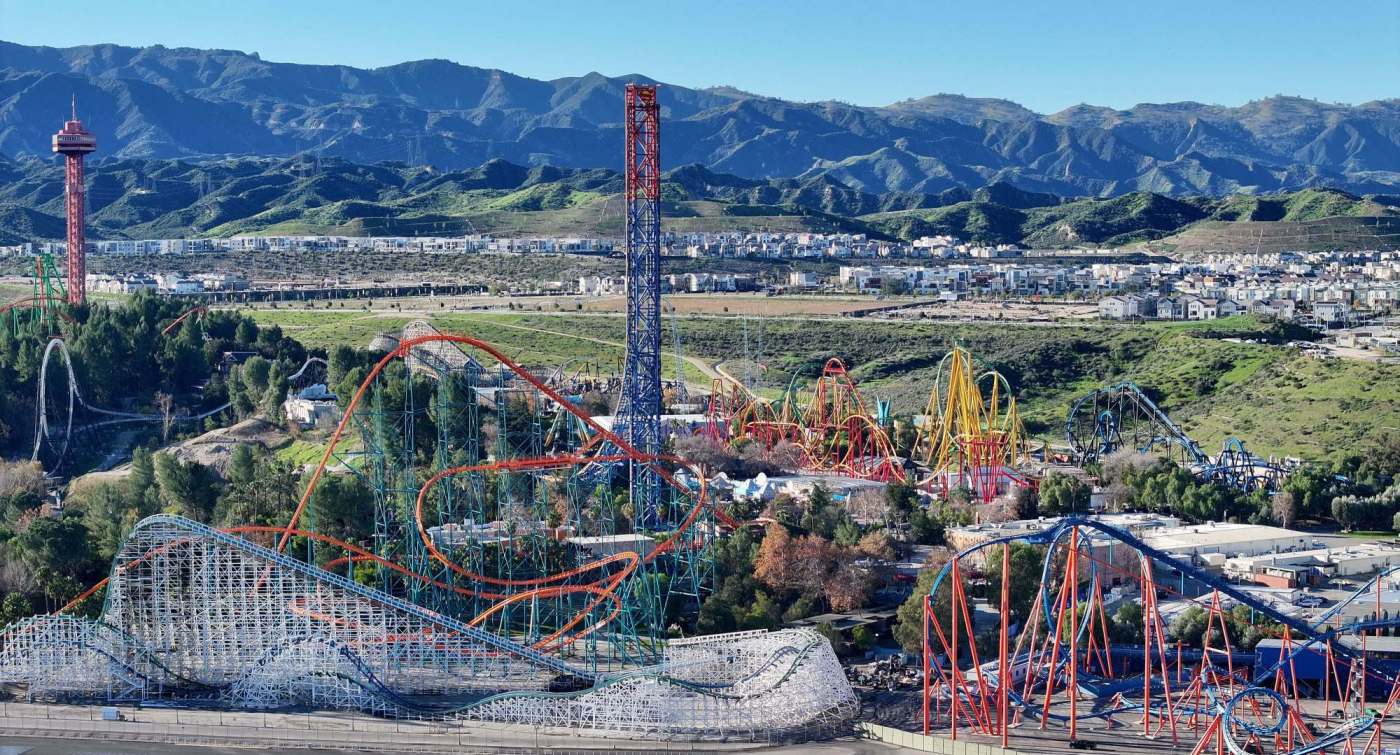
Six Flags has announced a new pricing strategy for its annual passes, aiming to attract more visitors despite ongoing financial challenges. As part of its 2026 plan, the company will lower the price of its Gold-level passes while maintaining its commitment to offering affordable access. This move raises questions about the effectiveness of such a strategy in improving the company’s financial performance.
Starting now, Gold-level passholders can access all parks within one of four designated regions in North America, in addition to their home parks. The company is also offering a promotional upgrade, allowing customers to purchase a Silver pass at specific parks but gain benefits equivalent to the Gold level at no extra charge. For instance, a Gold Pass from Six Flags Magic Mountain can be acquired for just $90. This pass grants admission to Knott’s Berry Farm and Six Flags’ two parks in the Bay Area throughout the year, although it does not cover the $35 daily parking fee at Knott’s.
At Knott’s Berry Farm, a Gold Pass costs $140 and provides access to Magic Mountain and the Bay Area parks. However, it also does not include free parking at Knott’s, which requires guests to purchase a $300 Prestige pass. This Prestige option encompasses entry to all Six Flags parks in North America and additional benefits, including one single-use Fast Lane per visit. Alternatively, a $90 all-season parking pass is available, but many customers may find the Prestige pass more appealing given the small price difference.
In addition to the changes in pass pricing, Six Flags is revamping its Perks & Play program. Starting this year, all passholders and members will be eligible for benefits without needing to reach a specific number of visits. Although Six Flags indicated that surprise “bonus” perks may still be offered based on visitation patterns, these perks can only be redeemed at the customer’s home park.
While these changes could appeal to fans, the absence of free parking at Knott’s Berry Farm raises concerns. Many visitors find it frustrating when theme parks do not include parking as part of their annual pass offerings, as it obscures the true cost of admission.
Despite the attractive pricing structure, the underlying issue for Six Flags remains its financial viability. Competitors like Disney and Universal are making significant investments in new attractions, and Six Flags must find ways to generate revenue to manage its extensive debt while simultaneously enhancing its offerings. The reliance on lower-priced passes may not be sufficient to secure the necessary funds for future developments.
As the theme park landscape evolves, Six Flags may need to consider divesting underperforming parks to focus its investments on locations with the greatest potential for growth. This strategy could allow the company to allocate resources more effectively, ensuring that it remains competitive in an industry increasingly defined by high-quality attractions and experiences.