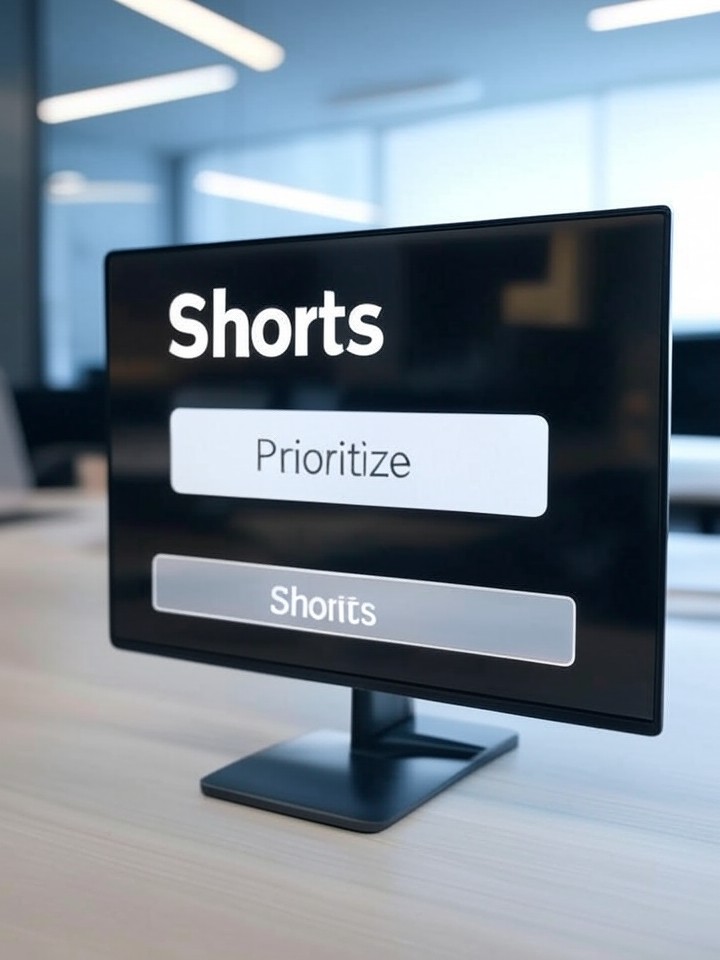
YouTube has launched significant updates to its search functionality in March 2026, aiming to enhance user experience and streamline content discovery. The platform has introduced a dedicated Shorts filter, enabling users to specifically search for or exclude short-form videos from their results. This adjustment addresses a common frustration faced by viewers who prefer longer content but often encounter an overwhelming number of short clips in their search results.
In addition to the Shorts filter, YouTube has rebranded its “Sort by” menu to “Prioritize.” This change simplifies the sorting process, allowing users to select options such as “Most relevant” and “Upload date” while eliminating less utilized filters like “View count.” According to reports from Android Central, these modifications are intended to guide users toward more intuitive search options, potentially increasing overall satisfaction and engagement.
Improving Content Discovery and User Engagement
These updates are part of YouTube’s broader strategy to refine content discovery, which is essential for retaining its vast audience. With billions of hours of content consumed daily, the platform’s ability to present the right video at the right time significantly influences both creator visibility and advertising revenue. Sources indicate that user feedback has played a crucial role in shaping these enhancements, highlighting a demand for more precise search capabilities in a highly competitive digital landscape.
The introduction of the Shorts filter allows users to toggle between different types of content—Shorts, long videos, live streams, and playlists—promoting a clearer distinction between formats. This change can benefit creators who produce in-depth tutorials or analyses, as it reduces competition from viral short-form content. As noted in a post on the YouTube Community forum, this feature empowers users to better navigate their viewing preferences.
Renaming and removing certain filters marks a data-driven decision by YouTube, as emphasized by Business Standard. The new “Prioritize” menu shifts the focus toward relevance and recency, moving away from metrics like view counts that may favor established channels over emerging creators. This approach could democratize the discovery process, giving smaller creators an opportunity to shine based on the quality of their content.
Implications for Creators and Marketing Strategies
The updates to the search algorithm in 2026 reflect years of refinement and the incorporation of machine learning to better predict user preferences. According to VidIQ, factors such as click-through rates and audience retention now heavily influence search results. The new filters enable users to bypass irrelevant content, which sends a clear signal to the algorithm about the types of videos that should be promoted more vigorously.
In response to these changes, creators are encouraged to adapt their strategies. Discussions among industry experts on social media platforms suggest that focusing on niche keywords and engaging thumbnails could optimize content for the updated search. The removal of specific filters further underscores YouTube’s commitment to prioritizing quality over sheer volume, enhancing the overall user experience while reducing decision fatigue.
The ongoing tension between short-form and long-form video content continues to be a relevant topic. The latest updates introduce engagement metrics that favor content keeping viewers engaged longer. This could lead to a shift in the platform’s ecosystem, motivating creators to diversify their content offerings. As competitors like TikTok dominate the short-form space, YouTube’s new filters allow it to strengthen its position in educational and narrative-driven content.
Despite positive feedback about easier content discovery, some creators express concerns that the new Shorts filter might fragment audiences. If users consistently exclude short-form videos from their searches, this could adversely affect the visibility of quick-hit content, necessitating a reevaluation of monetization strategies linked to shorter formats.
To effectively navigate these changes, creators are urged to utilize YouTube’s analytics tools more thoroughly. According to 9to5Google, the platform’s Studio features now deliver insights into how search behavior translates into views, enabling creators to refine their titles and descriptions. Marketers are also engaging in discussions about integrating these filters into their SEO strategies, emphasizing the need for content that aligns with user intent across various formats.
The implications of these updates extend beyond content creators to advertisers as well. With refined discovery mechanisms, brands can target audiences more effectively, increasing conversion rates for sponsored content, particularly in niches where long-form content builds trust.
As YouTube continues to evolve, insiders speculate on future developments, including potential integrations with AI-driven search technologies. The updates implemented in 2026 lay the groundwork for increasingly personalized experiences, where filters may evolve into predictive tools, enhancing content discovery.
In summary, the latest search enhancements reflect YouTube’s ongoing commitment to a data-centric approach that prioritizes user engagement. As viewing habits shift and the platform adapts, the dynamics between casual consumption and in-depth exploration will likely reshape how content is created and consumed on a global scale.