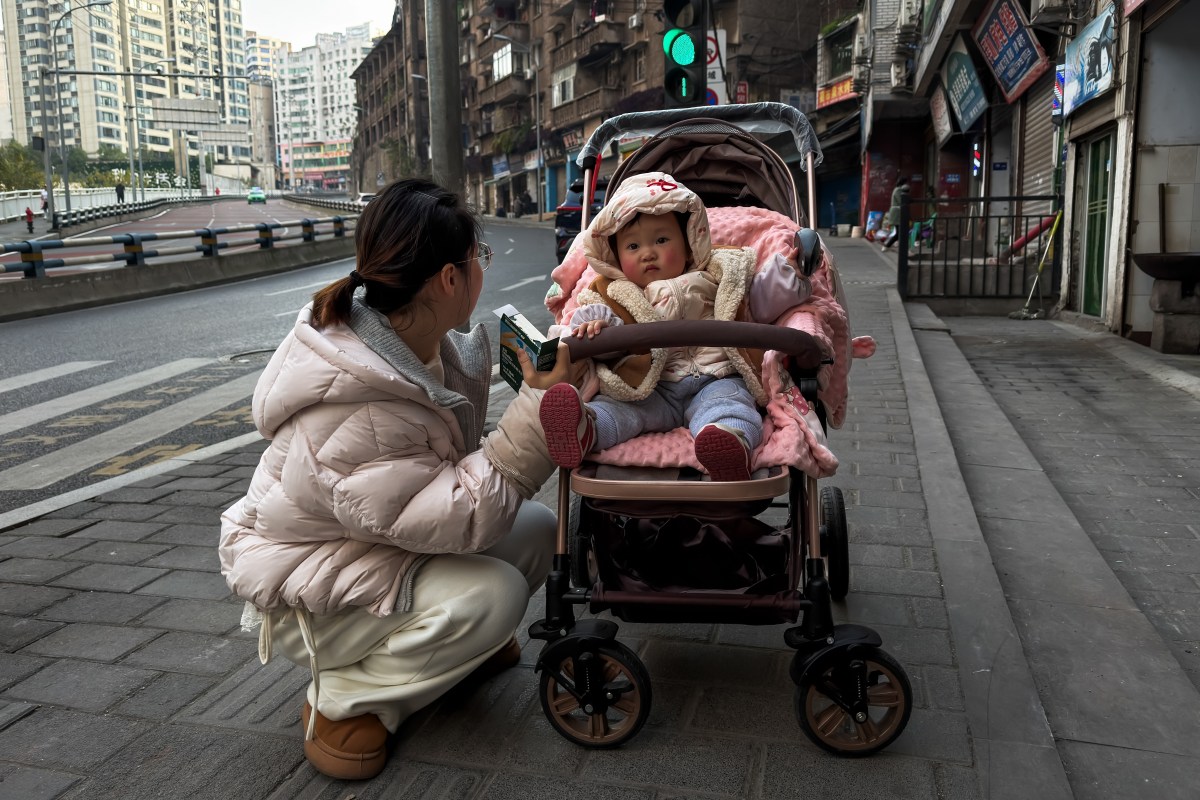
Birth rates in China have reached a historic low in 2025, with official data revealing only 9.02 million newborns, translating to a birth rate of 6.39 births per 1,000 people. This figure represents a significant decline from the 11.99 births per 1,000 people recorded in 2015, the year the government abolished its long-standing One-Child Policy.
The latest report from the National Bureau of Statistics indicates that despite various pro-natal initiatives introduced by both central and local governments, these measures have not yielded the desired results. The data underscores a troubling continuation of a downward trend in births that has persisted for seven years.
Pro-Natal Measures Fall Short
Authorities had hoped that incentives such as financial subsidies, extended maternity leave, and housing benefits would encourage couples to have more children. However, the impact of these interventions appears limited. The modest increase in births seen in the previous year was largely attributed to the auspicious Year of the Dragon and the effects of China’s economic resurgence following the pandemic.
As population experts analyze the implications of this declining birth rate, significant concerns emerge regarding the future demographic landscape of China. The country faces the possibility of an aging population with fewer young people to support the economy.
Newsweek reached out to the National Health Commission for further comments regarding the report and its implications for future policy directions. This developing story will continue to evolve as more information becomes available.
The stark statistics reflect not only the challenges facing family planning in China but also the broader societal shifts that have influenced reproductive decisions among its citizens.