Detoxification in correctional facilities poses significant risks, especially for inmates suffering from dual diagnoses of substance use disorders and mental health conditions. This issue has gained attention following the tragic story of Rana Schmidt, whose daughter, Elissa Lindhorst, struggled with these challenges before her untimely death. Schmidt’s experience highlights the urgent need for improved care and support within the prison system.
Increased Demand for Support Services
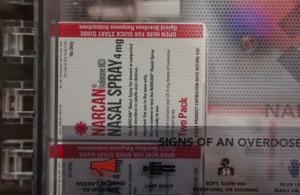
During a recent tour of the Sangamon County Jail in Springfield, Superintendent Larry Beck noted that the facility is grappling with a growing number of inmates presenting severe medical and mental health issues. Correctional facilities like the McLean County Jail are equipping officers with Narcan kits to combat opioid overdoses, reflecting an escalating crisis among incarcerated populations.
The Macon County Jail once implemented a program called Restore, aimed at helping inmates reintegrate into society. Unfortunately, staffing shortages have forced the suspension of this initiative, leaving many without necessary support. The stigma surrounding substance use disorders and mental illness continues to hinder effective dialogue and treatment options.
Understanding Co-occurring Conditions
Research shows that approximately 6.7% of adults in the United States, or around 17 million individuals, experience both a substance use disorder and at least one mental health condition. The overlap of these disorders complicates treatment, as many individuals with serious mental illnesses exhibit higher rates of substance misuse compared to those without.
Substance use disorders, classified as mental health conditions, affect the brain’s ability to regulate substance use. Commonly misused substances include alcohol, opioids, and stimulants. Mental health disorders can disrupt an individual’s mood, behavior, and overall daily functioning. Understanding the intertwined nature of these conditions is crucial in developing effective treatment strategies.
Factors contributing to both substance use disorders and mental health conditions include genetics, trauma, and environmental influences. Acknowledging these factors can help reduce stigma and encourage individuals to seek treatment.
According to the Substance Abuse and Mental Health Services Administration and various academic studies, over half of all U.S. adults will receive a mental health diagnosis at some point in their lives. Co-occurring conditions, such as depression and anxiety, are prevalent, underscoring the need for integrated treatment approaches.
Barriers to Treatment
Despite the high rates of co-occurrence, many individuals do not receive the necessary treatment. Stigma associated with mental health and substance use disorders can deter individuals from seeking help, often due to fears of discrimination or consequences in their personal and professional lives.
Financial barriers further exacerbate the issue, as access to quality treatment varies significantly across different socioeconomic and racial groups. For instance, 37.6% of white adults requiring treatment received it, compared to only 22.4% of Latino adults and 25% of Black Americans. This disparity highlights the urgent need for systemic changes to improve access to care.
As correctional facilities work to address these challenges, it is essential to understand the complex relationship between mental health and substance use disorders. Integrated treatment strategies that address both issues simultaneously are emerging as the most effective approach, offering hope for better outcomes for individuals affected by these pervasive conditions.
This story originally appeared on Zinnia Health and was produced in partnership with Stacker Studio. For more information, contact Analisa Trofimuk at 219-933-3211 or Drew Zimmerman at 309-820-3276. Follow Drew on Twitter: @DZimmermanLee.