Dental hygiene routines often include activities like flossing, using mouthwash, and tongue scraping, yet many people find themselves facing persistent issues such as cavities and gum disease. Despite diligent efforts, dental visits reveal ongoing problems, highlighting that traditional methods may not be sufficient for optimal oral health. A growing body of research suggests that incorporating xylitol into daily routines could provide significant benefits in combating these common oral health issues.
The Role of Xylitol in Oral Care
Xylitol is a sugar alcohol that shares a similar taste and appearance with regular sugar but functions differently within the mouth. Found naturally in small quantities in various fruits and vegetables, xylitol is increasingly featured in sugar-free gums, mints, and other oral care products. This compound has garnered attention for its ability to alter the conditions in the mouth, creating an environment less favorable for harmful bacteria associated with cavities and gum disease.
Research indicates that xylitol can reduce the levels of Streptococcus mutans, the primary bacteria responsible for tooth decay. According to a study published in the journal *Caries Research*, individuals who consumed xylitol exhibited a marked decrease in caries-forming bacteria. This suggests that xylitol not only helps in maintaining oral hygiene but may also play a crucial role in preventing the onset of cavities.
Benefits Beyond Cavities
The advantages of xylitol extend beyond just preventing cavities. Regular use can also contribute to improved gum health and reduced incidence of bad breath. A study conducted by the University of Michigan found that participants who chewed xylitol gum after meals experienced a significant reduction in plaque and gingivitis compared to those who did not. For individuals struggling with chronic bad breath, incorporating xylitol into their oral hygiene routine could offer a refreshing alternative to traditional mouthwashes, which may contain alcohol and other harsh ingredients that can dry the mouth.
Moreover, xylitol has demonstrated potential in enhancing saliva production. Saliva plays a vital role in neutralizing acids produced by bacteria in the mouth, thereby protecting tooth enamel. Increased saliva flow can also aid in remineralizing teeth, further contributing to overall oral health.
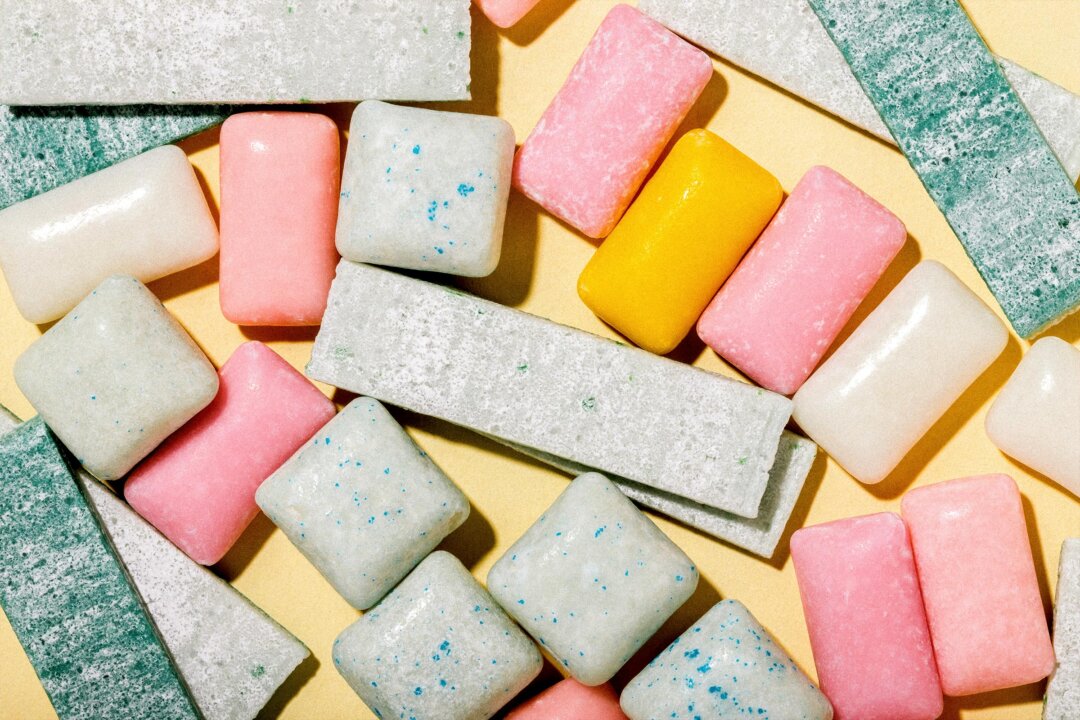
Incorporating xylitol into daily dental routines can be straightforward. Many sugar-free gums and mints available on the market contain this beneficial ingredient. Additionally, xylitol can be found in various oral care products, including toothpaste and mouth rinses. Regular use can complement existing practices and may lead to a noticeable improvement in oral health.
As individuals continue to seek effective solutions for maintaining their oral hygiene, xylitol stands out as a scientifically-backed option. By understanding the mechanisms through which xylitol operates, consumers can make informed choices that not only enhance their dental care routines but also promote long-term oral health.
In conclusion, while traditional dental care practices remain essential, emerging evidence suggests that integrating xylitol could transform oral health management. By focusing on this innovative ingredient, individuals may find themselves better equipped to combat cavities and improve overall gum health, leading to more positive outcomes during dental visits.