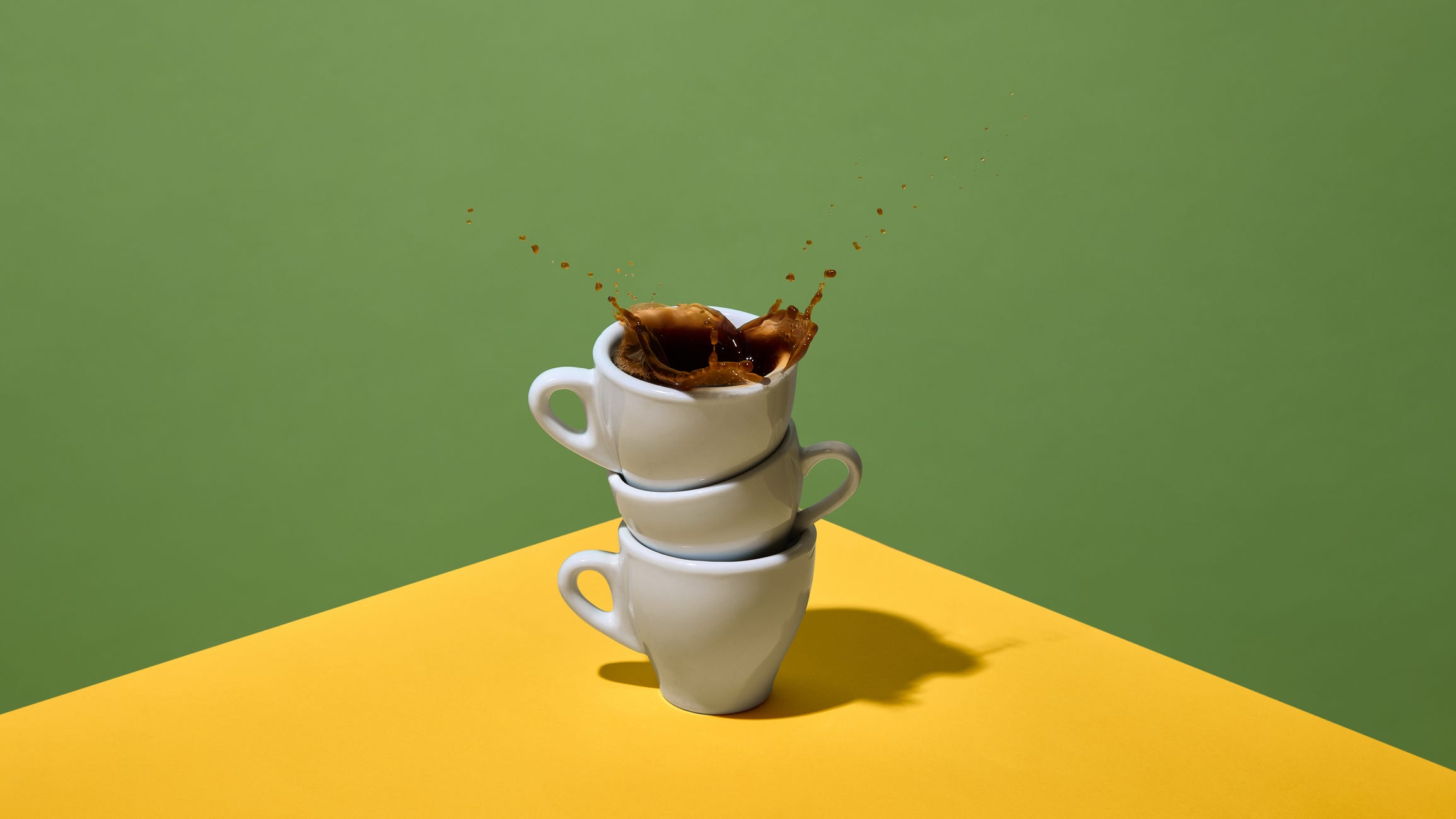
Many individuals believe that drinking coffee after consuming alcohol can help them sober up. However, medical professionals are cautioning against this widespread misconception. Drinking coffee does not eliminate alcohol’s effects; it may simply create the illusion of sobriety.
According to Robert Swift, MD, PhD, a professor of psychiatry at Brown University, caffeine can deceive the brain into feeling less intoxicated than one truly is. This misunderstanding can lead to dangerous situations, particularly when it comes to driving. Swift emphasizes that increased alertness does not equate to actual sobriety.
Understanding Alcohol’s Impact on the Brain
When alcohol enters the bloodstream, it stimulates the release of dopamine, a neurotransmitter associated with pleasure and reward. This process leads to an increase in a chemical called cyclic AMP, which temporarily enhances brain activity, making individuals feel happier and more energetic. However, as alcohol begins to take effect, it also promotes the release of other neurotransmitters that slow down brain functions, resulting in fatigue and impaired reaction times.
Combining alcohol with caffeine complicates matters further. When caffeine is consumed, it blocks the enzymes that regulate cyclic AMP, heightening the stimulating effects of alcohol while dampening its sedative properties. Consequently, individuals may feel more alert, but they remain intoxicated. Swift warns, “Caffeine acts to make you more alert and awake but does not sober you up.”
The Risks of Mixing Caffeine and Alcohol
This combination poses significant risks, especially when it comes to driving. The stimulating effects of caffeine can mask the depressant effects of alcohol, leading individuals to misjudge their level of intoxication. Jarid Pachter, DO, a specialist in family and addiction medicine at Stony Brook Medicine, adds that alcohol is metabolized at a fixed rate, meaning that caffeine cannot hasten the sobering process.
Furthermore, combining alcohol and coffee can disrupt sleep patterns. Alcohol may initially help individuals fall asleep, but it often leads to a rebound effect that wakes them up in the middle of the night. Caffeine, which has a half-life of around five hours, can further complicate sleep, making it more difficult to rest. Pachter notes that caffeine can also increase anxiety, contributing to restless nights.
For those who wake up with a hangover, coffee may seem like a tempting remedy. While it can provide a temporary boost in alertness, it does not address the underlying cognitive impairments associated with hangovers. Pachter points out that individuals who consume caffeine while hungover may experience heightened alertness but still suffer from impaired judgment, which can lead to poor decisions.
Ultimately, the most effective remedy for recovering from a night of drinking is time.
In summary, the belief that coffee can counteract the effects of alcohol is a dangerous myth. As medical professionals continue to highlight, increasing alertness does not equate to genuine sobriety. Individuals should take these warnings seriously to ensure their safety and the safety of others.