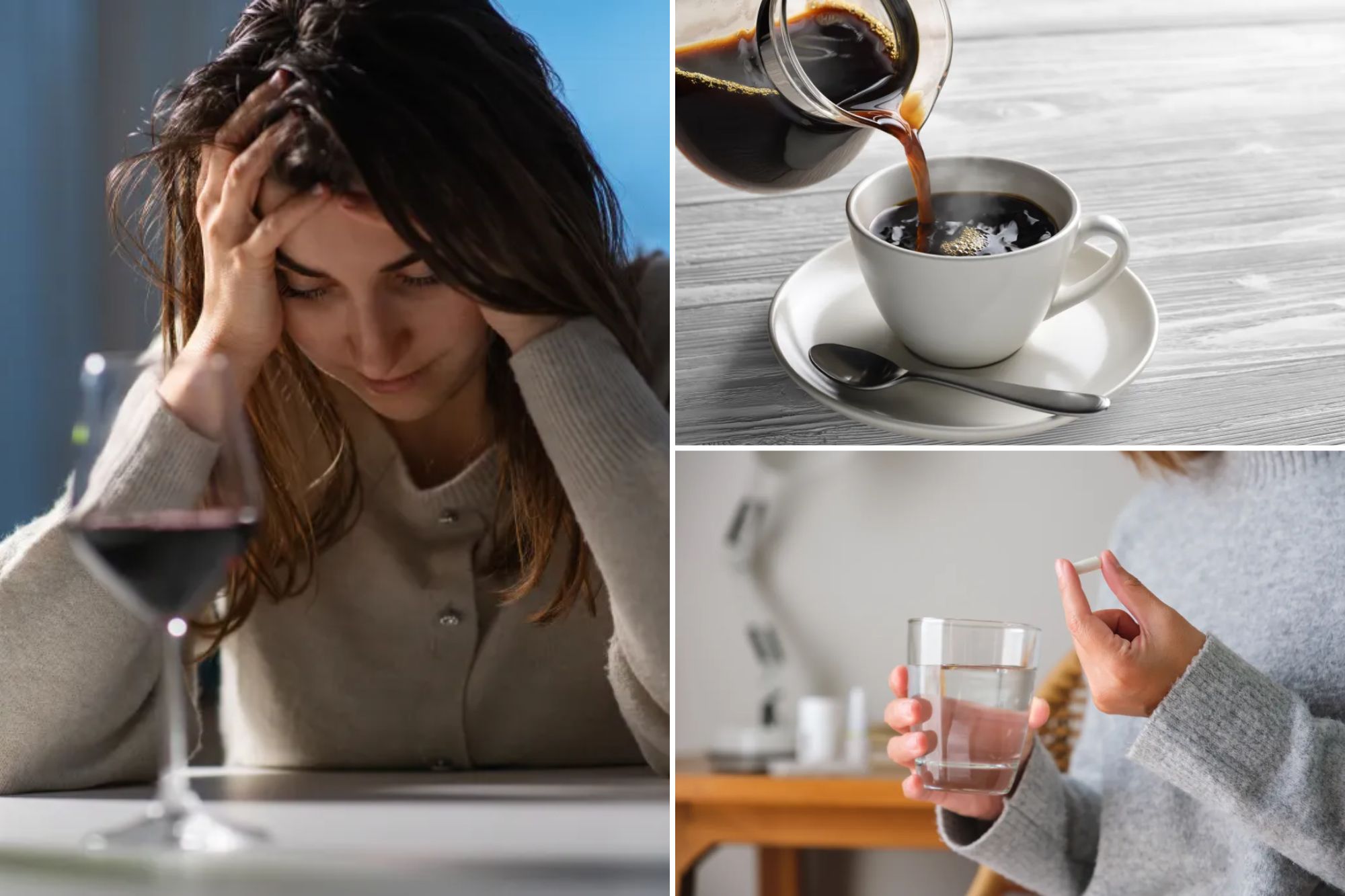
The holiday season often leads to festive gatherings, where overindulgence in alcohol becomes common. As a result, many people seek quick fixes for hangovers, but experts warn that most popular remedies are ineffective. According to Dr. Hillary Lin, a physician based in New York City, conventional hangover cures fail because they do not consider how the body metabolizes alcohol.
A hangover occurs as the body reacts to harmful byproducts formed during alcohol processing, as noted by the National Institutes of Health. Dr. Lin emphasizes that there is no instant remedy for this condition, stating, “You can’t biohack a hangover once it starts.”
Debunking Common Hangover Myths
Experts have identified five prevalent myths about hangover cures that do not hold up under scrutiny.
1. **‘Hair of the Dog’**
The notion of consuming more alcohol to alleviate hangover symptoms, often referred to as “hair of the dog,” is misleading. Dr. Lin explains that this approach merely postpones the inevitable, as it forces the liver to work harder. Alexa Ryan, a neurotherapist and clinical dietitian nutritionist from California, adds that this method fails to address dehydration and inflammation caused by alcohol.
2. **Greasy Breakfasts**
Many believe that a greasy breakfast can soak up residual alcohol, but this is a misconception. Dr. Lin points out that by the time a person wakes up with a hangover, the alcohol has already left the stomach, making heavy foods ineffective. Instead, Ryan suggests that eating before drinking can help slow alcohol absorption, and recommends foods like eggs and bananas for recovery, despite limited evidence.
3. **Coffee and Lemon Water**
Reaching for coffee or lemon water is a common practice among those suffering from hangovers, but experts argue this does not facilitate detoxification. Ryan clarifies that alcohol has already disrupted sleep and caused irritation by the time one wakes up. She warns that coffee can exacerbate dehydration and increase blood pressure, making hangover symptoms worse. Plain water is recommended as the best option for rehydration.
4. **Patches and Supplements**
Not all hangover remedies, including patches and supplements, are effective. Experts caution that most products do not work quickly enough to make a significant impact. Dr. Lin notes that certain probiotics can be beneficial, as they break down acetaldehyde in the gut before it enters the bloodstream. She also suggests consuming a high-quality electrolyte mix before bed for better recovery.
5. **‘Sweat-it-Out’ Exercise**
Engaging in exercise while hungover is another myth that experts challenge. Ryan states that alcohol is metabolized by the liver at a constant rate, meaning physical activity cannot speed up this process. Exercising while dehydrated can intensify symptoms like dizziness and nausea, adding unnecessary stress to the body.
Practical Steps for Recovery
Despite numerous claims surrounding hangover cures, experts unanimously agree that there is no definitive solution. Ian Anderson, co-founder of a mindful drinking app called Sunnyside, stresses that the most effective strategy is to limit alcohol consumption and avoid binge drinking. The Centers for Disease Control and Prevention (CDC) defines binge drinking as five or more standard drinks for men and four for women on a single occasion.
Anderson also recommends alternating alcoholic beverages with water or non-alcoholic drinks to mitigate hangover effects. Health professionals emphasize that no amount of alcohol is entirely safe, as even low levels can increase cancer risk.
When recovery is necessary, experts suggest prioritizing hydration with electrolytes, eating balanced meals, resting, and allowing time for the liver to detoxify. As Ryan concludes, “Prioritizing fluids with electrolytes, eating a small, balanced meal, getting rest, and allowing time for the liver to complete detoxification are most effective.”