The flu season has intensified in Central Florida, marked by a significant rise in confirmed cases and declining vaccination rates among residents. Medical facilities across the region are reporting an uptick in flu activity, with local health experts urging the community to take preventive measures.
According to Dr. Ariel Mejia, an internal medicine specialist and medical director at the UCF Health Faculty Physician Practice, “I’m seeing it daily versus maybe a case here or there last season.” In December alone, Orlando Health recorded approximately 4,500 confirmed flu cases, a nearly 20% increase compared to the previous year. Despite a nationwide decline in flu cases over the last two weeks, Florida remains among the 36 states experiencing “high activity,” as reported by the U.S. Centers for Disease Control and Prevention (CDC).
Recent data from the Florida Department of Health indicates outbreaks in Orange and Seminole counties within the past three weeks. The CDC estimates that this flu season has already resulted in 18 million illnesses, 230,000 hospitalizations, and 9,300 deaths nationwide.
Factors Behind the Surge
Several factors contribute to the rising flu cases in Central Florida. Health experts cite increased tourism, colder weather, a more virulent strain of the virus, and notably lower vaccination rates. The vaccination rate in Florida has declined in recent years; for the 2024-25 flu season, only about 37% of children aged six months to 17 received the vaccine, a drop from 46% in the 2023-24 season. Among adults, the vaccination rate stands at 33.5%, placing Florida 47th out of the 50 states, according to America’s Health Rankings. This is significantly lower than the national average of 41.3%.
Dr. Tim Hendrix, chief medical officer at AdventHealth Centra Care, noted that the decrease in vaccination rates is a key factor in the increase of flu cases, stating that their facilities are currently treating about 1,500 flu cases per week, compared to an average of 1,200 last year. “The strain that we’re seeing this season is heavy, and we also have a heavy population with a lot of travel right now,” said Dr. Daniel Egan, an infectious disease physician at Orlando Health. “So you’re getting hit from two directions at once.”
The emergence of the Subclade K strain, a mutated version of the flu virus identified after the current vaccine was formulated, poses an additional challenge. Known as H3N2, this strain accounts for the majority of reported cases, making the existing vaccine less effective against it. Typically, vaccine formulations are based on prevalent strains circulating globally before the flu season begins. However, experts still recommend vaccination as the best preventive measure available.
Preventive Measures and Recommendations
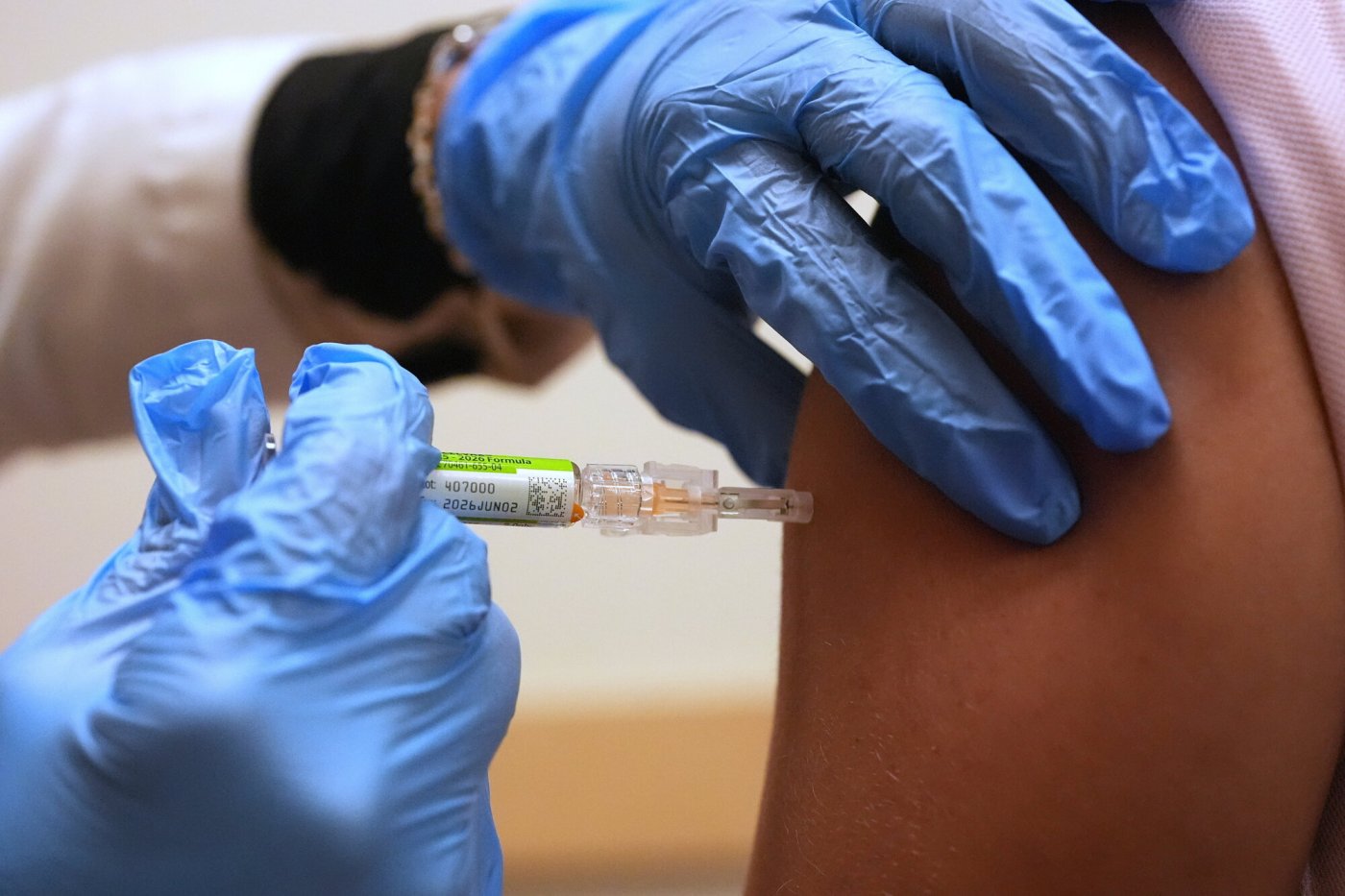
To protect against the flu, health officials stress the importance of basic hygiene practices, vaccination, and social distancing. Dr. Hendrix advises, “Look, take care of your immune system and your immune system will help protect you during this year, but the best thing to protect you, above and beyond a healthy lifestyle, is the vaccine.” Although the current vaccine may not effectively combat the K strain, it still provides protection against other circulating strains.
HCA Florida Osceola Hospital recently reminded the public via social media that “it’s not too late to get a flu shot.” Dr. Mejia emphasized that while the vaccine’s effectiveness against Subclade K may be limited, it remains a crucial defense against other strains of the virus currently spreading.
In the event of flu symptoms—such as fever, dizziness, and cough—health professionals recommend using masks and practicing social distancing. Dr. Mejia highlighted the community impact of individual health decisions, stating, “It becomes a community’s problem when no particular individual is taking care of themselves.”
Individuals with pre-existing conditions like asthma, diabetes, and heart disease should prioritize testing and vaccination to mitigate their risk. If flu symptoms worsen or if individuals experience severe shortness of breath, immediate medical attention is advised.
As Central Florida navigates this challenging flu season, health experts continue to advocate for vaccinations and preventive measures to protect both individuals and the community at large.