Flu cases are on the rise nationwide, particularly following holiday gatherings, as reported by the Centers for Disease Control and Prevention (CDC). Recent data indicates that approximately 15 percent of laboratory tests for influenza are returning positive results, a figure that has doubled from the previous week. In Texas, the situation is even more alarming, with nearly 20 percent of lab tests confirming flu infections, also doubling from the previous week.
Understanding Flu Symptoms and Timing
Health professionals, including Dr. Linda Yancey, an infectious disease specialist at Memorial Hermann, emphasize that the flu season is approaching its peak. According to a blog post from CLS Health, symptoms can manifest quickly after exposure. Individuals may begin to feel sudden fever, chills, body aches, or a sore throat as soon as one day after coming into contact with the virus. By the end of the weekend, peak symptoms may include a persistent cough, significant fatigue, and dehydration.
Dr. Yancey highlights the variability in symptom onset, stating, “You’re going to have people at each end of the distribution spectrum. Some may get sick the next day, while others could take up to three weeks.”
The Role of Vaccination
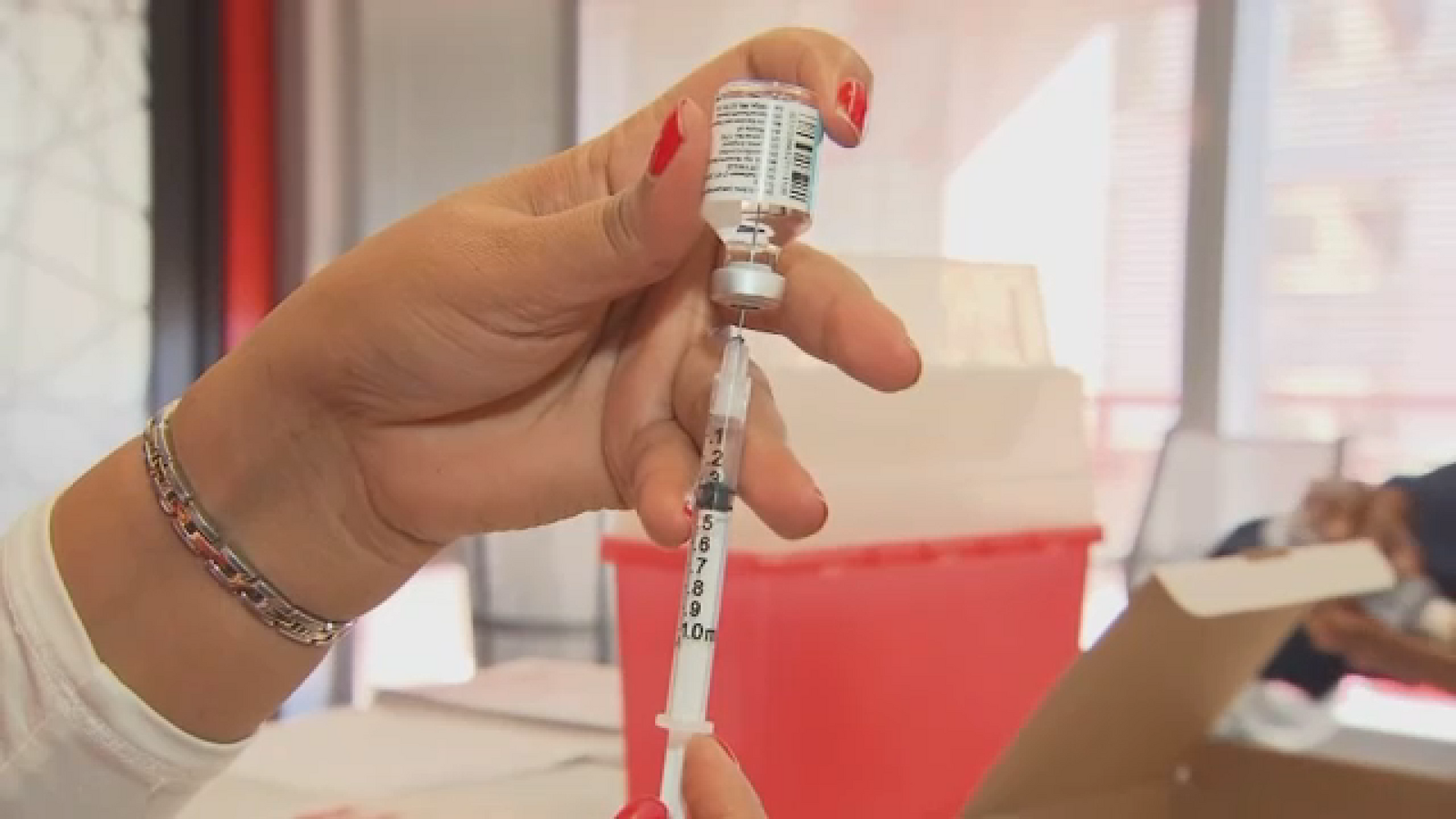
For those exposed to the flu during recent holiday gatherings, it may be too late to benefit from a flu shot. Dr. Yancey explains that the vaccine typically requires about two weeks to provide full protection. Despite this, she still recommends vaccination, noting that it offers approximately 70 percent protection against this season’s strains of the virus. Flu season is expected to continue until March, making it crucial for individuals to consider vaccination as a preventive measure.
The Houston health department reports that nearly 60 percent of detected flu cases are among children aged 5 to 17. If individuals suspect they have contracted the flu or receive a positive test result, health experts advise staying home to recover.
Dr. Yancey suggests, “Rest as much as you can. Listen to your body. If you’re thirsty, drink. If you’re tired, sleep. Just give your body a chance to recuperate.”
For those diagnosed with the flu, taking antiviral medication within 48 hours of exposure can significantly reduce recovery time, potentially by up to two days.
As the flu season intensifies, staying informed and taking preventive measures becomes increasingly important. For continuous updates on flu trends and health advice, follow updates from health professionals on social media platforms.