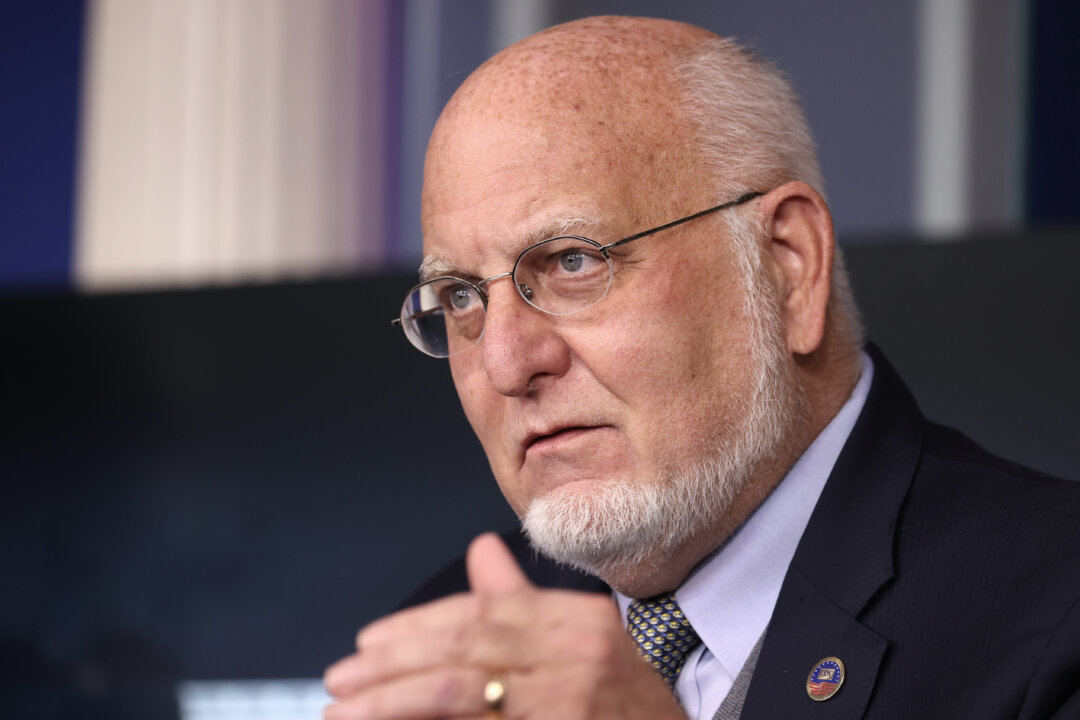
Dr. Robert Redfield, the former director of the Centers for Disease Control and Prevention (CDC), has publicly advocated for the removal of mRNA COVID-19 vaccines developed by Pfizer and Moderna. In an interview set to be broadcast on EpochTV on December 9, 2023, Redfield expressed his concerns regarding the safety and efficacy of these vaccines, stating he believes there are “too many unknowns.”
Redfield’s comments come in the context of ongoing discussions about the long-term effects and safety profiles of COVID-19 vaccines. The mRNA vaccines have been at the forefront of the vaccination campaign against the virus since they received regulatory approval in late 2020. While they have played a significant role in curbing the pandemic, questions about their safety continue to be a topic of debate among health experts.
Concerns Over mRNA Technology
In his interview, Redfield articulated his desire to see the use of mRNA vaccines significantly reduced, if not eliminated entirely. He emphasized the need for clearer understanding and transparency regarding the potential risks associated with these vaccines. “I really would like to see the mRNA vaccine use curtailed,” he stated, highlighting his personal stance on the matter.
The mRNA technology used by Pfizer and Moderna represents a groundbreaking approach to vaccination, teaching the body to produce a protein that triggers an immune response. This method was pioneering in the fight against COVID-19, yet some health professionals remain skeptical about its long-term implications.
Redfield’s remarks reflect a growing sentiment among a segment of the population that is apprehensive about the rapid deployment of these vaccines. The former CDC director’s strong position may resonate with individuals who have been hesitant about vaccination due to concerns regarding potential side effects and the speed at which the vaccines were developed.
Public Health Implications
The call for the removal of mRNA vaccines raises significant questions about public health policy and vaccine strategy. Should regulatory bodies take such opinions into account, it could lead to a reevaluation of vaccination protocols and guidelines. Public health officials rely on scientific data and extensive studies to inform their recommendations, and Redfield’s statements could contribute to further discourse on the topic.
As discussions around vaccine safety continue, it is crucial for health authorities to address public concerns transparently. This includes ongoing research, monitoring of vaccine effects, and clear communication regarding findings.
The debate surrounding the mRNA COVID-19 vaccines illustrates the complexities of navigating public health decisions amid evolving scientific understanding. As new data emerges, it remains essential for both health officials and the public to engage in informed dialogue about vaccination strategies and their implications for community health.