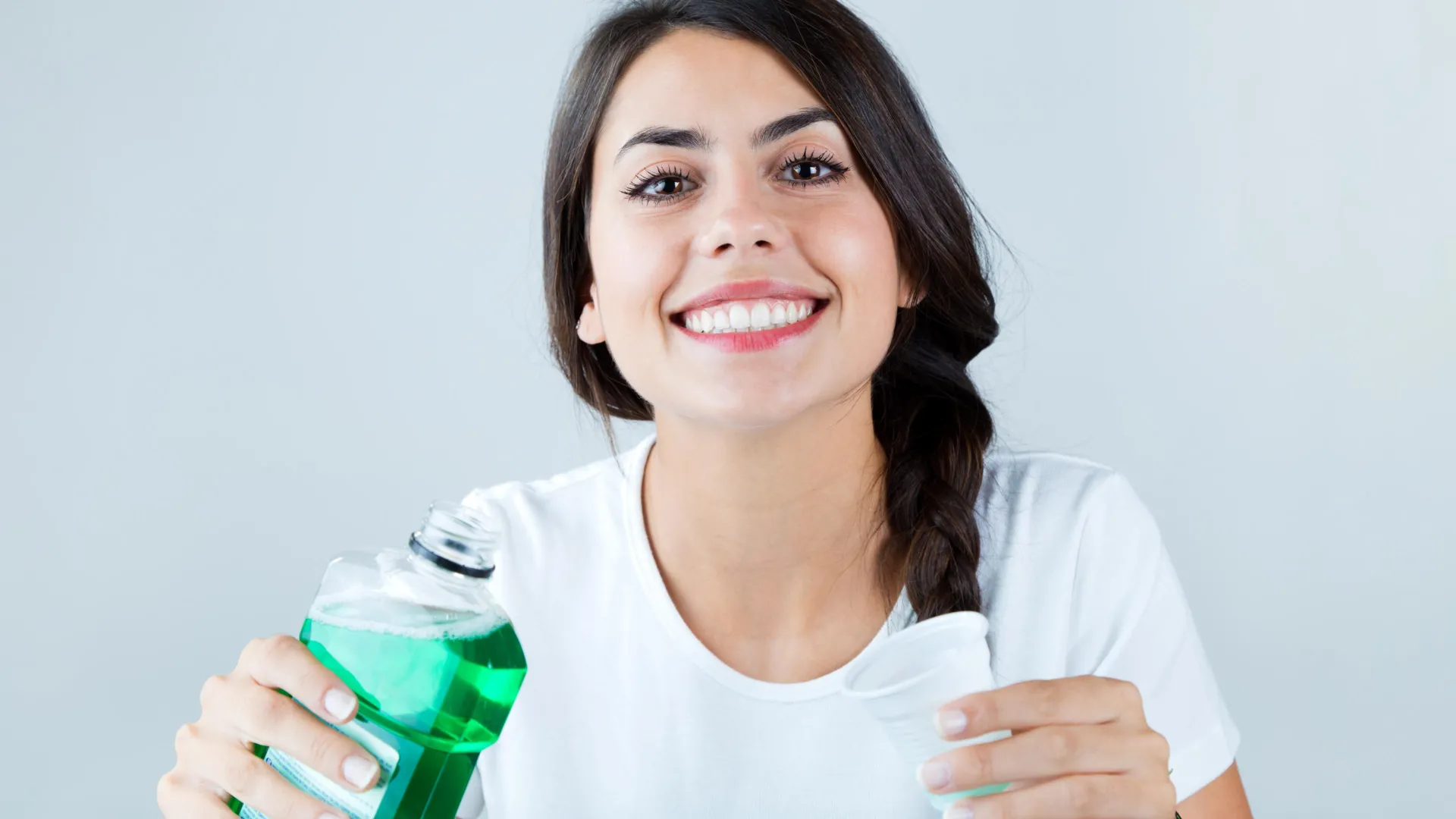
Garlic extract is emerging as a compelling alternative to chlorhexidine, a widely used antimicrobial mouthwash. Researchers from the University of Sharjah have conducted a systematic review of clinical studies, revealing that higher-concentration garlic mouthwash can match—and sometimes exceed—the bacteria-fighting effectiveness of chlorhexidine. This finding, published in the Journal of Herbal Medicine, positions garlic as a more natural option for oral care.
The study’s authors emphasize that while garlic mouthwash may cause more discomfort than chlorhexidine, it offers longer-lasting antimicrobial effects. “Chlorhexidine is widely used as a gold standard mouthwash but is associated with side effects and concerns over antimicrobial resistance,” they noted. “Garlic (Allium sativum), known for its natural antimicrobial properties, has emerged as a potential alternative.”
Systematic Review Highlights Garlic’s Effectiveness
The review assessed how garlic extract performs against chlorhexidine in clinical settings, aiming to establish its viability as an herbal substitute. Following the Preferred Reporting Items for Systematic Reviews and Meta-analyses 2020 guidelines, the researchers identified 389 articles across six electronic databases in January 2024. After a stringent selection process, only five studies were included in their analysis.
These studies consisted of randomized controlled trials and various clinical designs, all exhibiting low to moderate risks of bias. The authors found that garlic mouthwash, particularly at higher concentrations, demonstrated antimicrobial effectiveness comparable to that of chlorhexidine. They noted, “The effectiveness varied based on mouthwash concentration and duration of application, contributing to differences in outcomes.”
While some studies suggested chlorhexidine maintained a higher plaque and salivary pH, others indicated that garlic extract could outperform chlorhexidine at specific concentrations. Nonetheless, the review cautioned that garlic mouthwash may elicit greater discomfort in users.
Patient Considerations and Future Research
Although garlic extract can lead to mild side effects, such as a burning sensation and unpleasant odor, these are generally less severe than those linked to synthetic chemicals. These factors could impact patient acceptance of garlic-based mouthwash. Despite the drawbacks, the review strongly supports the clinical antimicrobial efficacy of garlic extract, reporting “significant reductions in bacterial counts from baseline.”
The authors advocate for additional clinical trials with larger participant cohorts and extended follow-up periods to validate garlic’s effectiveness and enhance its clinical applicability as an alternative to chlorhexidine, which remains the established standard in antimicrobial mouthwashes.
Garlic has long been recognized for its strong antibacterial and antifungal properties, largely attributed to the compound allicin. While classified botanically as a vegetable, garlic is frequently utilized as both an herb and a spice. In 2024, global garlic consumption reached approximately 30 million metric tons, with China accounting for nearly 80 percent of this total. That same year, the garlic extract market was valued at more than $15 billion.
The growing interest in herbal oral care alternatives is evident, as garlic extracts are readily available in various health products without the need for a prescription. In contrast, synthetic agents like chlorhexidine typically require a dentist or physician’s authorization.
Antimicrobial mouthwashes play a crucial role in oral health, combating diseases caused by bacteria, fungi, or viruses affecting soft and hard oral tissues. The review highlights that various mouthwashes, whether over-the-counter or prescription-based, can effectively manage conditions like gingivitis, dental caries, and periodontal diseases.
While the review underscores the significant antimicrobial effects of garlic extracts against a wide array of pathogens, it also points out the limitations of existing studies. Many are in vitro, vary in methodology, and lack clinical standardization. This underscores the critical need for further research to confirm garlic’s efficacy in dental practice and address existing gaps in the literature regarding evidence-based antimicrobial therapies.
The findings from the University of Sharjah provide a promising outlook for garlic mouthwash as a viable alternative in oral care, paving the way for more natural treatment options in the future.