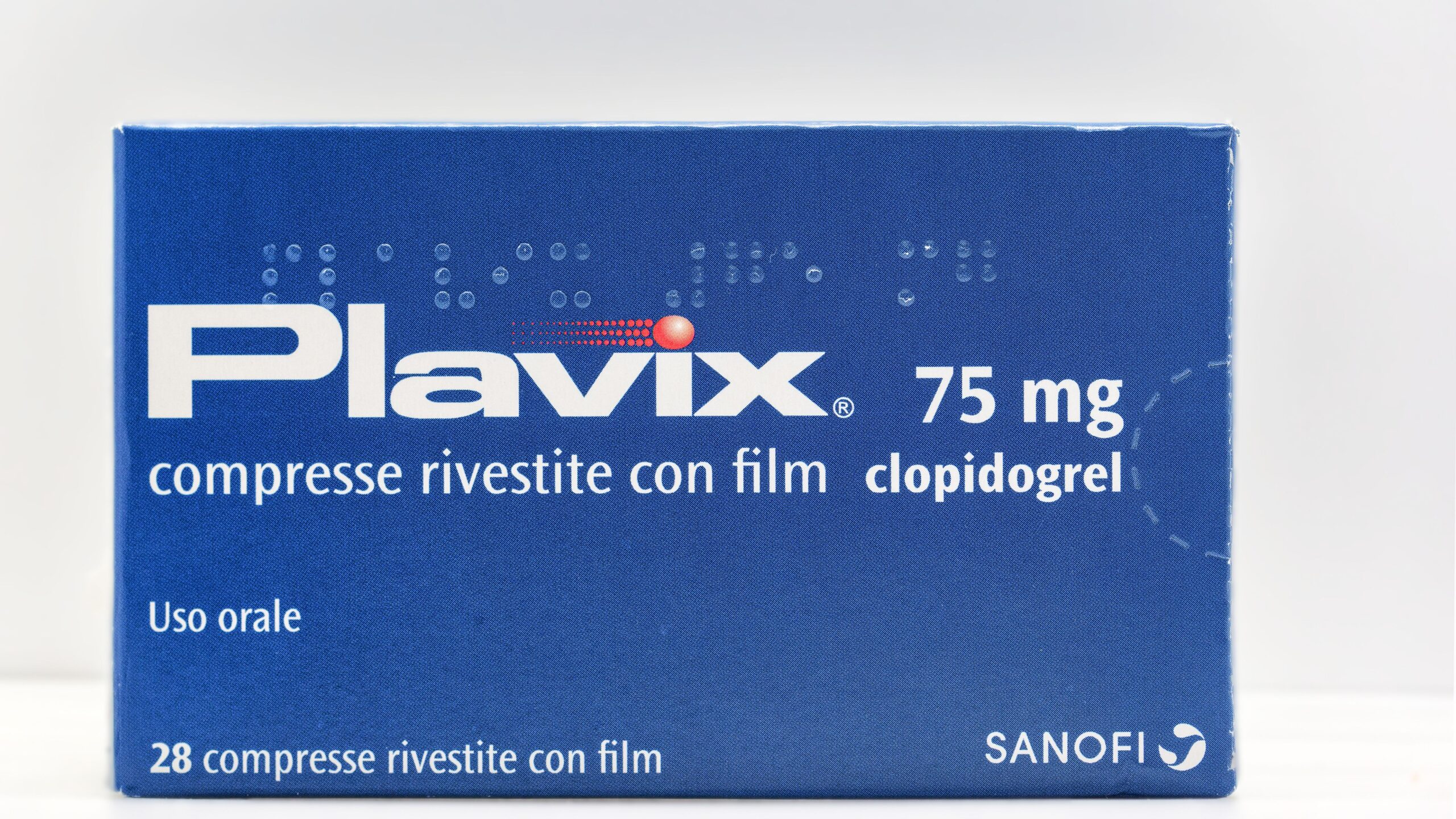
Hawaii has reached a settlement of **$700 million** with the manufacturers of Plavix, **Bristol Myers Squibb** and **Sanofi Pharmaceuticals**, over allegations of deceptive labeling practices. This agreement, finalized on **May 9, 2025**, addresses claims that the companies misled consumers regarding the effectiveness of the drug for certain populations, particularly those of East Asian and Pacific Islander descent.
Clopidogrel, marketed as Plavix, is a medication designed to prevent strokes and heart attacks in patients at high risk. Initially approved by the **Food and Drug Administration (FDA)** in **1997**, it works as a platelet aggregation inhibitor. However, the activation of clopidogrel requires specific enzymes produced by the liver, with significant genetic variability affecting how effectively individuals metabolize the drug. Studies have shown that individuals of East Asian and Pacific Islander heritage often have lower levels of these enzymes, leading to a higher risk of adverse cardiac events.
In **2010**, the FDA mandated that Plavix’s labeling include a boxed warning indicating that these populations are poor metabolizers of the drug. Despite this requirement, the **Hawaii Attorney General** filed a lawsuit in **2014** against Bristol Myers Squibb and Sanofi, claiming the companies knew about the risks long before the FDA’s warning. The lawsuit alleged that **834,012** prescriptions for Plavix were dispensed prior to the warning, potentially exposing many patients to inadequate treatment.
The legal battle centered on the assertion that the manufacturers engaged in unfair and deceptive acts by continuing to market Plavix as safe and effective. They argued that federal regulations preempted them from changing the product labeling without FDA approval. However, the court determined that the companies could have sought modifications through a process known as “changes being effected.”
In a significant ruling, the **Hawaii First Circuit Court** found both companies equally responsible for the deception and imposed a civil penalty of **$417,006,000** against each, totalling **$834,012,000**. For claims of unfairness, the court assessed an additional penalty of **$41,000,000** against each defendant, bringing the total to **$82,000,000**.
Ultimately, the settlement reached in May will see both Bristol Myers Squibb and Sanofi pay **$350 million** each to resolve the claims. This resolution aims to provide compensation to affected patients while potentially prompting greater transparency in medication labeling practices moving forward.
This case illustrates the critical importance of accurate drug labeling, particularly for populations that may have distinct metabolic responses to medications. The outcome serves as a reminder for pharmaceutical companies to prioritize patient safety and maintain ethical marketing practices.