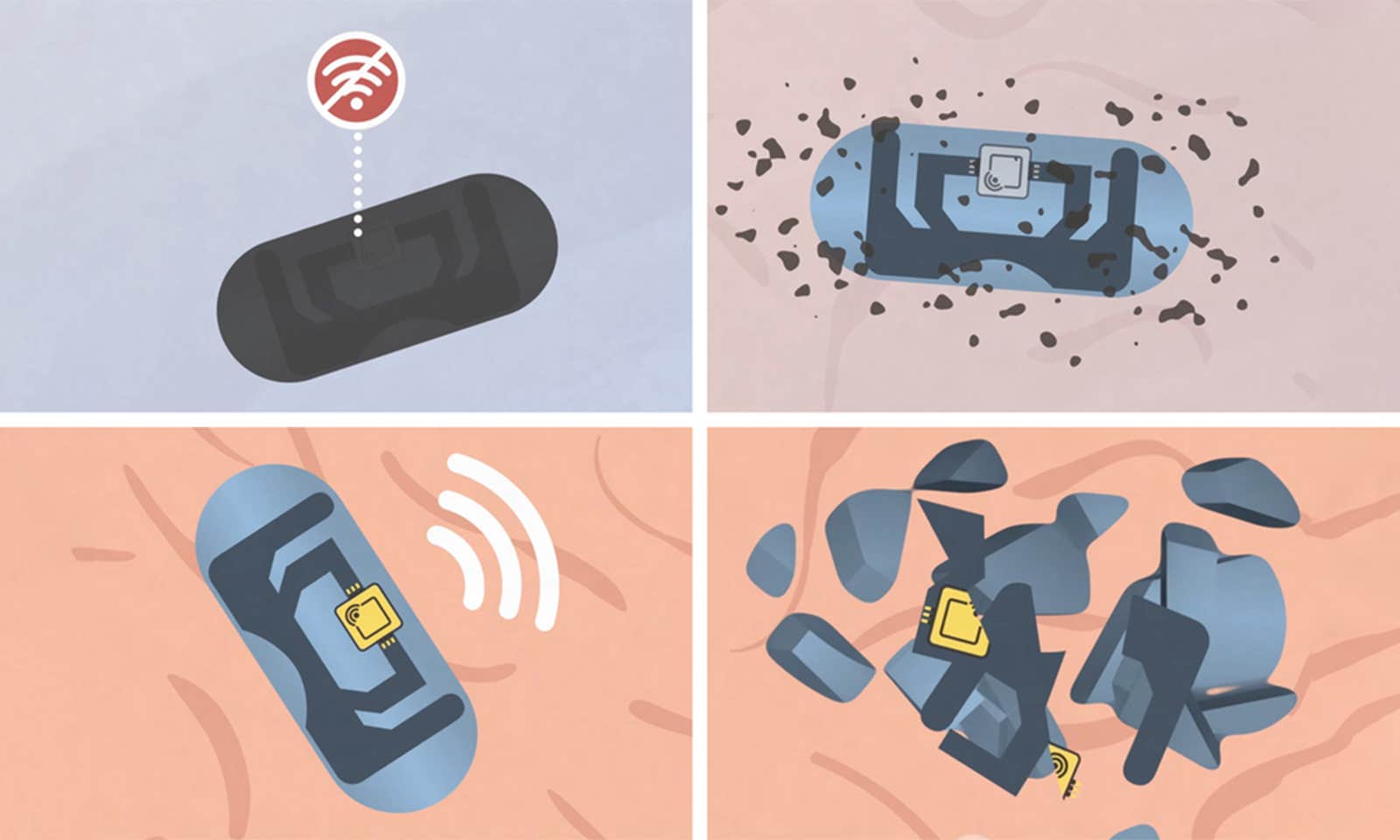
A new biodegradable pill system that can communicate with healthcare providers is poised to revolutionize medication adherence. According to a recent study published in Nature Communications, this innovative technology could significantly reduce the number of patients failing to take their prescribed medications. In the United States alone, non-adherence to medication is linked to around 125,000 preventable deaths each year.
The importance of adhering to medication regimens is particularly critical for patients with chronic conditions. Nearly half of individuals with such conditions do not take their medications as directed. The new pill, developed by a team led by Dr. Giovanni Traverso from the Massachusetts Institute of Technology, aims to address this issue. It is especially beneficial for patients requiring long-term treatment, such as those with HIV or tuberculosis, and for transplant recipients who must take immunosuppressive drugs.
How the Technology Works
This innovative system includes a radio frequency antenna that can report back to physicians shortly after the pill is swallowed. The design focuses on being eco-friendly, with most components breaking down in the stomach within a week. The antenna is constructed from zinc and encased in a cellulose particle, while the surrounding capsule is made from gelatin coated with cellulose. These materials are safe and commonly used in medical applications.
The system is designed so that a micrometer-sized radio frequency chip can exit the body through the digestive tract, significantly reducing the risks associated with traditional electronic sensors that may cause gastrointestinal injuries. The capsule is also coated with molybdenum or tungsten, which blocks radio frequency signals until the pill begins to dissolve.
In laboratory trials conducted on pigs, which have gastrointestinal tracts similar in size to humans, the radio frequency signal was successfully transmitted from within the stomach to a receiver situated up to 2 feet away. The results demonstrated that the devices dissolved as intended, highlighting the system’s potential for improving patient adherence without adding significant ecological burden.
Future Applications and Research
The research team envisions a wearable device that would receive information from the pill and relay it to a patient’s healthcare provider. However, further studies are necessary before human trials can begin. The team emphasizes that this system is not intended for the mass market but is aimed at critical health situations where consistent medication adherence is vital.
“The goal is to ensure that this helps people receive the therapy they need to maximize their health,” said Dr. Traverso. The researchers aim to prioritize medications where non-adherence could have serious health consequences. This new system could be a breakthrough in addressing the global challenge of medication non-adherence, ultimately improving patient outcomes and enhancing public health.