International health authorities are convening to evaluate the United States’ measles-free status following a resurgence of cases that could lead to the country losing this designation. The meeting is scheduled for April 13, 2025, and comes after a year marked by increasing infections, reminiscent of Canada’s recent loss of its elimination status.
Experts attribute the spike in measles cases to decreasing vaccination rates. Factors include parental waivers, limited access to healthcare, and the spread of misinformation regarding vaccines. Measles, a highly contagious airborne disease caused by a virus, can lead to severe complications and even death.
The current situation has raised alarms, especially since the United States has not seen measles cases of this magnitude since 1991. According to the Centers for Disease Control and Prevention (CDC), there were 2,144 confirmed cases across 44 states last year, along with nearly 50 separate outbreaks. The initial case in the latest outbreak was reported in West Texas, with the first symptoms appearing on January 20, 2025.
Dr. Jonathan Temte, a family physician in Wisconsin and a key figure in certifying the U.S. as measles-free in 2000, emphasized that the conditions necessary for measles outbreaks are present. “It is really a question of semantics,” he stated, highlighting that the underlying issues contributing to the outbreak must be addressed.
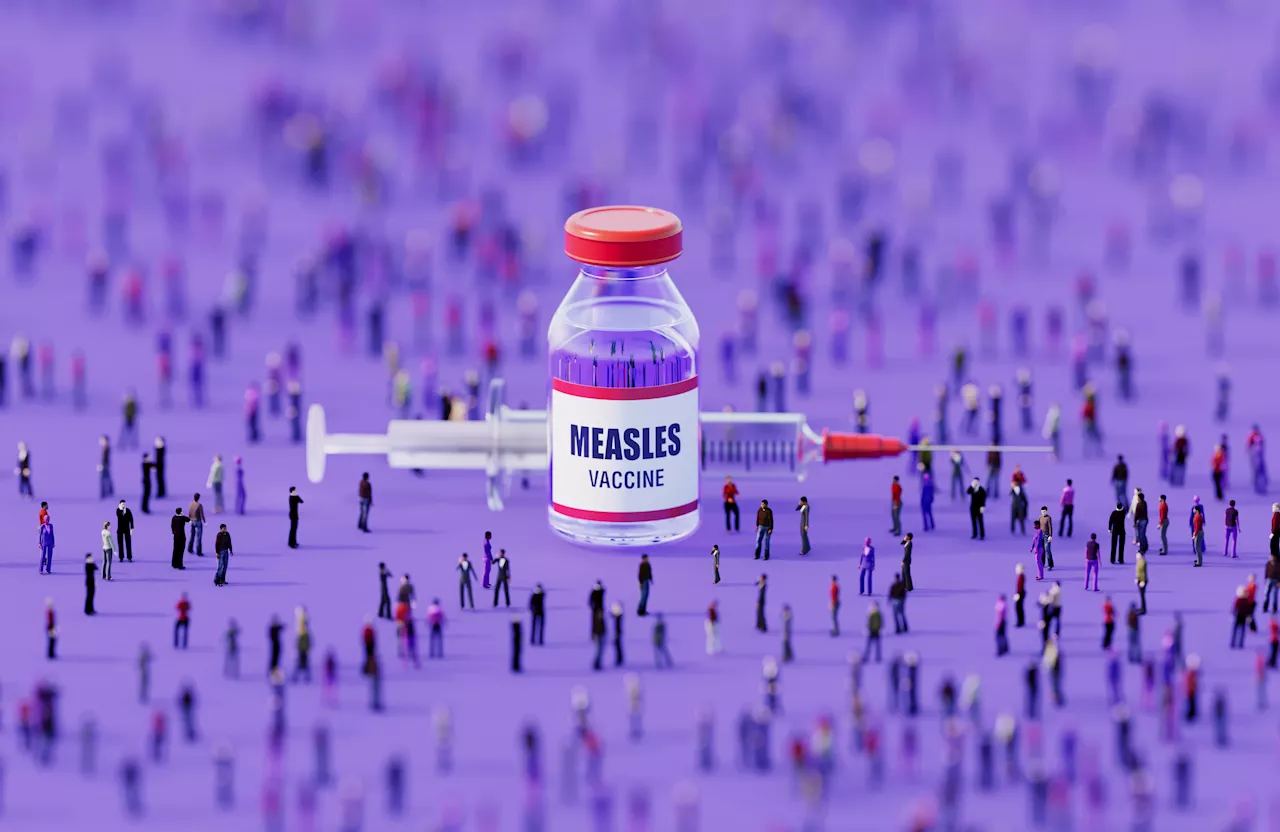
Moreover, the CDC has noted that the national vaccination rate currently stands at 92.5%, below the 95% threshold required for community-level protection. Many communities report even lower rates, putting them at significant risk for outbreaks.
The ongoing situation is exacerbated by public health issues and a lack of trust in governmental health initiatives. Dr. Diego Hijano, a pediatric infectious disease expert at St. Jude Children’s Research Hospital, has pointed out the importance of clear communication regarding vaccination. “The most important thing that we can do is to make sure the people who aren’t vaccinated get vaccinated,” he said.
Despite efforts from health officials, including a statement from a Department of Health and Human Services spokesperson emphasizing the importance of vaccination, the landscape remains challenging. With many individuals facing barriers to healthcare, contact tracing and outbreak management have become increasingly difficult. Behavioral scientist Noel Brewer noted that tracking a single measles case can cost public health departments tens of thousands of dollars.
Genetic analysis shows that the same strain of measles has been confirmed across multiple states including Texas, New Mexico, Utah, Arizona, and South Carolina, as well as in neighboring countries. Sebastian Oliel, a spokesperson for the Pan American Health Organization (PAHO), indicated that the presence of multiple cases from a single source complicates the tracking efforts.
The situation in Mexico also contributes to the concern, with over 6,000 reported cases and 21 deaths stemming from the outbreak that originated when an infected child traveled from Texas. This cross-border interaction raises questions about the adequacy of current definitions of measles elimination, as experts warn that the standards may be outdated.
As various states grapple with rising case numbers, New Mexico reported 100 cases, while Kansas spent months managing an outbreak involving nearly 90 individuals across ten counties. States like Ohio, Montana, North Dakota, and Wisconsin also reported significant case numbers.
The CDC has since issued a warning urging travelers to ensure they are vaccinated against measles before flying. The potential loss of the U.S. measles-free designation serves as a stark reminder of the critical importance of maintaining high vaccination rates and addressing the underlying factors contributing to vaccine hesitancy.
The decision from PAHO in April will be pivotal in determining the future of measles elimination in the United States, leaving many to wonder whether the upcoming year will see a decline in cases or a continued rise.