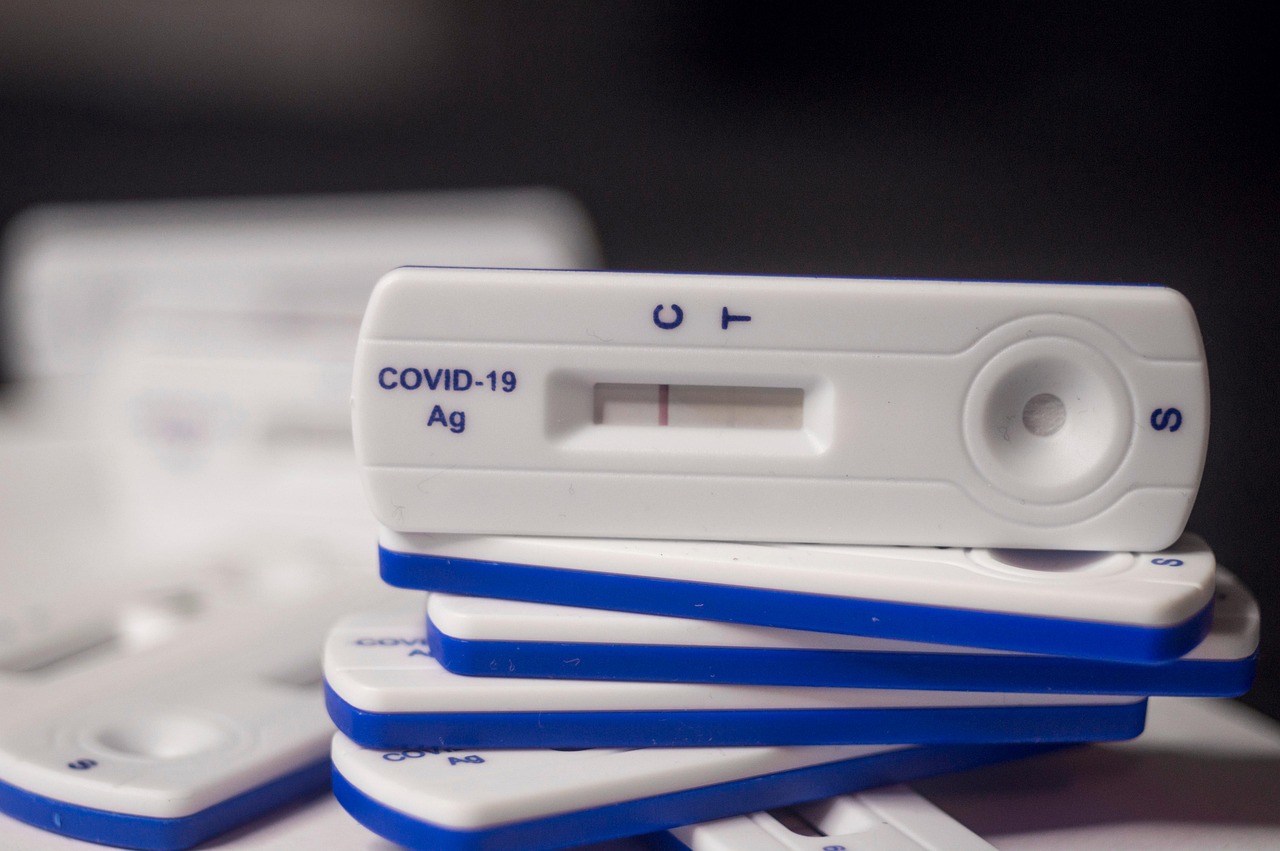
As the COVID-19 pandemic continues to evolve, new variants have emerged in 2026, bringing with them symptoms and transmission characteristics reminiscent of earlier strains while also introducing some distinct traits. Understanding these new COVID variant symptoms, their contagiousness, and effective protection strategies is crucial for reducing transmission and safeguarding public health.
The latest variants, including NB.1.8.1 (“Nimbus”) and XFG (“Stratus”), have gained prominence globally. These variants differ slightly in their genetic makeup, influencing factors such as transmissibility, immune evasion, and symptom profiles. While the new variants primarily cause respiratory infections, their symptoms often overlap with those of other common illnesses like influenza and the common cold, complicating diagnosis without testing.
Symptoms of New COVID Variants
The symptoms associated with the new COVID variants have been reported to include fever, cough, sore throat, congestion, fatigue, headache, and, in some cases, gastrointestinal symptoms. Notably, the NB.1.8.1 variant has been linked to a distinct “razor blade” sore throat, characterized by a sharp, stabbing sensation that differs from the milder throat irritation seen in previous strains. Most of these symptoms tend to be mild to moderate, but the severity can vary significantly based on an individual’s vaccination status and overall health.
The rapid transmissibility of variants such as NB.1.8.1 and XFG is primarily due to their enhanced ability to evade antibodies developed from prior infections or vaccinations, according to the World Health Organization. Individuals infected with these variants may spread the virus even if they are asymptomatic or only exhibit mild symptoms, which contributes to swift community transmission.
Transmission occurs mainly through respiratory droplets and aerosols produced during activities such as coughing, sneezing, talking, or even breathing. Although contact with contaminated surfaces poses some risk, it is less common compared to airborne transmission. The contagiousness of these variants aligns with patterns observed in respiratory infections, with crowded indoor environments and poor ventilation significantly increasing the risk of spread.
Protection Strategies Against New Variants
Protection methods for managing the spread of new COVID variants continue to build on established public health strategies, as emphasized by the Centers for Disease Control and Prevention. Recommended measures include maintaining good hand hygiene, wearing masks in crowded or poorly ventilated spaces, and ensuring vaccination and booster doses are up to date. These combined strategies help minimize the risk of infection, even as new variants circulate.
While the new variants share common symptoms with other respiratory infections, there are critical distinctions to be aware of. For instance, the intense sore throat associated with the NB.1.8.1 variant is a notable feature that may help individuals identify potential COVID infection earlier.
In summary, the COVID-19 pandemic persists into 2026, marked by the emergence of new variants characterized by respiratory infection symptoms similar to those of colds and flu. These variants, such as NB.1.8.1, spread efficiently through respiratory droplets and aerosols. Ongoing vigilance in personal protective measures and vaccination efforts remains essential to reduce transmission and protect vulnerable populations. Recognizing symptoms early and adopting effective protection strategies is vital as new COVID variants continue to impact communities worldwide.
To address common questions:
1. What are the symptoms of the new COVID variants? New variants typically cause fever, cough, sore throat, congestion, fatigue, headache, and sometimes gastrointestinal symptoms, with some variants causing a sharper sore throat sensation.
2. How quickly do the new variants spread? These variants are highly contagious, particularly in populations where immunity wanes or mask use is low.
3. Can the new variants lead to severe respiratory infections? Severe cases are less common among vaccinated individuals but can occur, especially in those with weakened immune systems or existing health conditions.
4. Are vaccines effective against the new variants in 2026? Vaccines continue to be effective in preventing severe disease and death, although breakthrough infections can happen. Booster shots help maintain protection levels.
5. How do the new variants affect people with pre-existing conditions? Individuals with chronic respiratory or immune conditions face a higher risk for complications and should take additional precautions.