The U.S. government has released its updated dietary recommendations, emphasizing the importance of whole foods and protein while advising against highly processed items. The new guidelines, known as the 2025-2030 U.S. Dietary Guidelines for Americans, were unveiled on March 15, 2025, by Health Secretary Robert F. Kennedy Jr. and Agriculture Secretary Brooke Rollins. These guidelines aim to reshape federal nutrition programs and policies amidst ongoing discussions about the state of the American food supply.
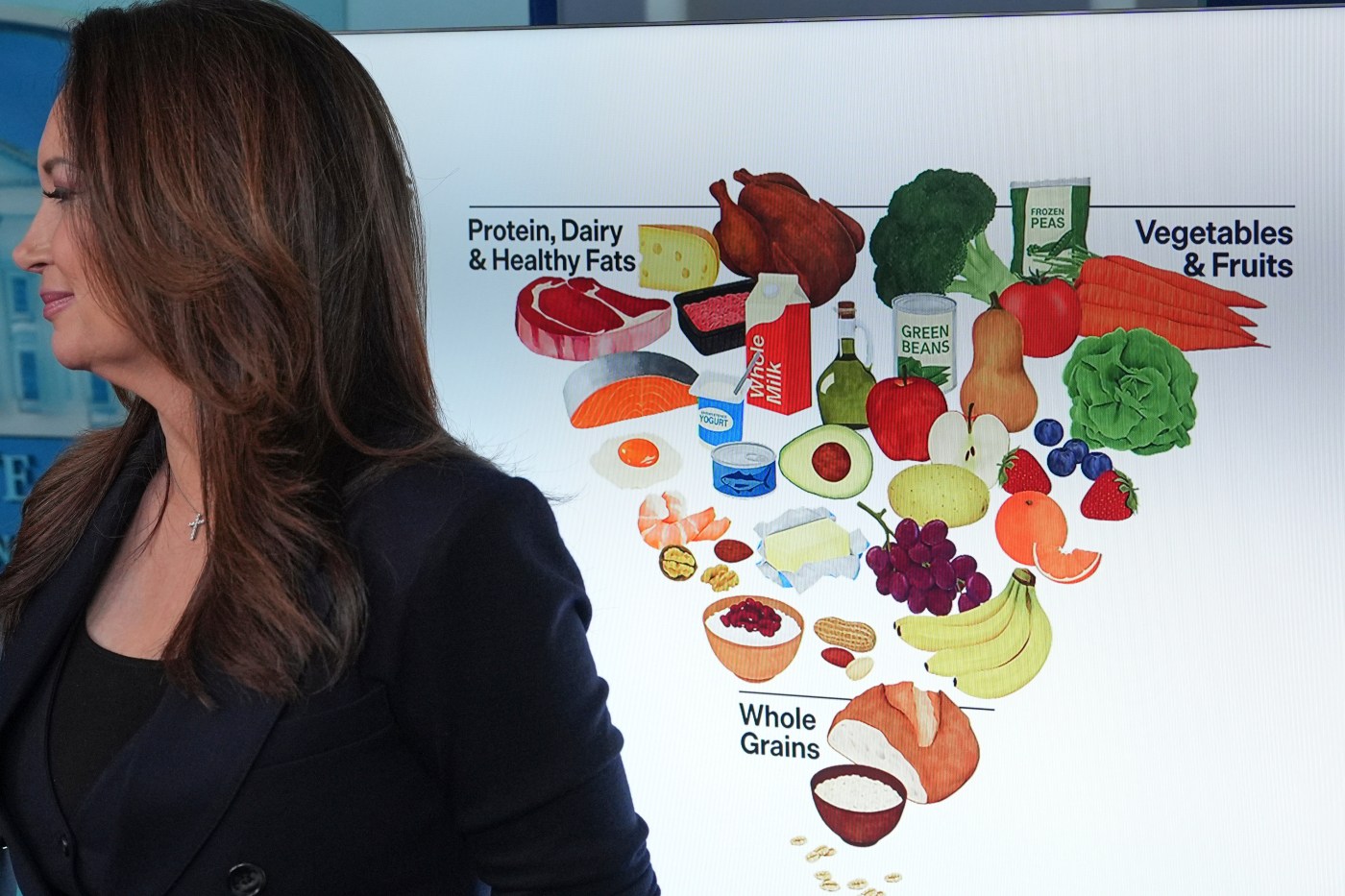
At a briefing at the White House, Kennedy stressed the need for a shift towards real food consumption. The guidelines highlight the significance of fresh vegetables, whole grains, and dairy products, which have long been recognized as components of a healthy diet. They introduce a new visual representation, featuring an inverted food pyramid that places protein, dairy, healthy fats, and fruits and vegetables at the top, while situating whole grains at the bottom.
A notable change in the guidelines is the stance on “highly processed” foods. The document urges consumers to avoid packaged, prepared, and ready-to-eat options that are typically high in sugar and salt, such as chips and candy. This new terminology replaces the previously used term, “ultraprocessed foods,” which are known to contribute significantly to caloric intake in the U.S. diet and are linked to chronic diseases like diabetes and obesity.
Key Changes and Implications
While the guidelines maintain the long-standing recommendation to limit saturated fats, they advise that Americans should choose whole-food sources of these fats, such as meat, whole-fat dairy, or avocados. The document suggests keeping saturated fat intake to no more than 10% of daily calories, contrasting with earlier signals from Kennedy and Food and Drug Commissioner Marty Makary that hinted at a push for increased consumption of animal fats.
The dietary guidelines, which are mandated to be updated every five years, serve as a framework for healthy eating. However, research indicates that a significant number of Americans do not adhere to these recommendations, even as dietary-related chronic diseases affect more than half of adults in the country.
Nutrition experts have responded positively to the new guidelines. Dr. David Kessler, a former FDA commissioner, praised the emphasis on whole foods and reduced processed carbohydrates, stating that these shifts represent meaningful progress in dietary health. Similarly, Dr. Bobby Mukkamala, president of the American Medical Association, remarked that the guidelines reinforce the concept of food as medicine.
Despite these praises, some experts voiced concerns about the focus on meat and dairy as prime protein sources rather than promoting plant-based alternatives. Nutritionist Marion Nestle criticized the potential for increased caloric intake associated with the recommended diet changes.
Impacts on Federal Nutrition Programs
The new guidelines will significantly influence the federally funded National School Lunch Program, which must align its offerings with these recommendations to serve nearly 30 million children daily. The U.S. Department of Agriculture will need to translate these guidelines into specific meal requirements, a process that can be lengthy, according to Diane Pratt-Heavner, spokesperson for the School Nutrition Association.
In a departure from previous editions, the new document is concise, consisting of just 10 pages, following Kennedy’s promise for simpler guidance. Earlier iterations expanded in length, from a 19-page pamphlet in 1980 to a 164-page document released in 2020.
While the guidelines provide a clearer direction for dietary requirements, they do not incorporate recommendations from a panel of nutrition experts who reviewed extensive scientific evidence regarding ultraprocessed foods. The experts expressed concerns about the quality of the research linking these foods to adverse health outcomes, leading to a cautious approach in addressing the issue.
The updated guidelines also suggest a potential increase in protein consumption, proposing an adjustment from 0.8 grams of protein per kilogram of body weight to 1.2 to 1.6 grams. This change reflects a move away from the previous minimum protein intake recommendations, which were intended to prevent deficiency. Experts, including Dr. Ludwig, support the idea of higher protein levels to offset processed carbohydrates.
The guidelines recommend that Americans avoid or severely limit added sugars, stating that “no amount” can be considered healthy. It suggests that no single meal contains more than 10 grams of added sugars, which amounts to about 2 teaspoons. Current consumption patterns indicate that most Americans consume approximately 17 teaspoons of added sugars daily, according to the U.S. Centers for Disease Control and Prevention.
Notably, the latest guidelines have removed previous recommendations that limited alcohol consumption. Instead, they advise Americans to reduce alcohol intake for better health, with specific cautions for pregnant women and those recovering from alcohol use disorders.
The revised 2025-2030 U.S. Dietary Guidelines for Americans reflect a significant shift in nutritional advice, aiming to foster healthier eating habits across the population as the government seeks to address the growing concerns surrounding diet-related health issues.