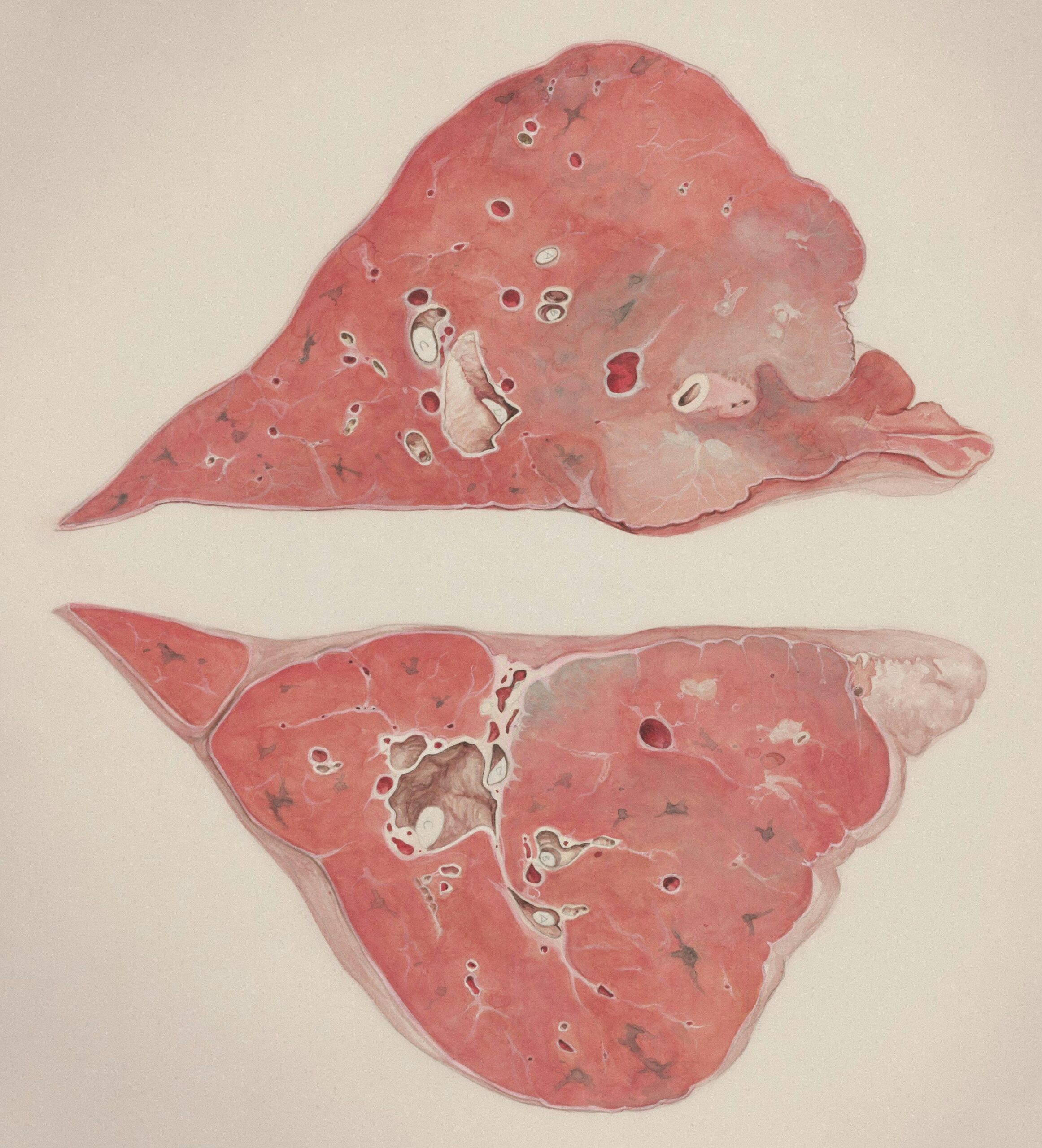
Recent research has revealed alarming connections between exposure to “forever chemicals” and a significant health risk in adolescents. Known as per- and polyfluoroalkyl substances (PFAS), these manmade chemicals are prevalent in everyday items such as cookware, cosmetics, and clothing. A study conducted by the University of Southern California suggests that exposure to PFAS during teenage years may notably increase the likelihood of developing metabolic dysfunction-associated steatotic liver disease (MASLD), a condition that can lead to severe health complications.
The research focused on 284 adolescents and young adults from Southern California, who were part of two long-term studies at the university’s Keck School of Medicine. Participants’ blood samples were analyzed for PFAS levels, and MRI scans were used to assess fat accumulation in their livers. The findings indicated that elevated levels of two common PFAS—perfluorooctanoic acid (PFOA) and perfluoroheptanoic acid (PFHpA)—were significantly associated with an increased risk of MASLD.
A concerning aspect of the study is that while PFAS exposure was linked to liver disease in teenagers, this association did not extend to young adults. According to Dr. Shiwen “Sherlock” Li, the lead author of the study, “Adolescents are particularly more vulnerable to the health effects of PFAS as it is a critical period of development and growth.” Those adolescents with double the amount of PFOA in their blood were found to be nearly three times more likely to develop MASLD, especially among those with a specific genetic variant known as PNPLA3 GG, which affects fat storage in the liver.
The implications of these findings are profound, as MASLD is often asymptomatic until it reaches advanced stages. Generally, the disease is linked to conditions such as obesity, type 2 diabetes, high blood pressure, and high cholesterol. The American Liver Foundation indicates that approximately 10% of children in the United States are affected by MASLD, a figure that rises to nearly 40% among children with obesity.
Research has shown that untreated MASLD can lead to serious outcomes, including heart disease, fibrosis, cirrhosis, and liver cancer. It is currently the second leading cause of liver transplants in the United States and is projected to become the leading cause within the next decade. Dr. Lida Chatzi, a professor of population and public health sciences, emphasized the importance of early detection and intervention, noting, “When liver fat starts accumulating in adolescence, it may set the stage for a lifetime of metabolic and liver health challenges.”
Given the increasing prevalence of MASLD and its potential to progress silently, the new findings raise urgent public health questions. The study builds on previous research indicating that adolescents undergoing bariatric surgery exhibited more severe liver disease when exposed to PFHpA. Dr. Max Aung, an assistant professor involved in the study, stated, “These findings suggest that PFAS exposures, genetics, and lifestyle factors work together to influence who has a greater risk of developing MASLD as a function of your life stage.”
While the health risks associated with PFAS exposure are concerning, there is a silver lining. Evidence suggests that lifestyle modifications, such as adopting a healthier diet and increasing physical activity, can slow or even reverse liver damage, particularly when the condition is identified early. Dr. Chatzi advocates for reducing adolescents’ exposure to PFAS, asserting, “If we reduce PFAS exposure early, we may help prevent liver disease later. That’s a powerful public-health opportunity.”
As research continues to unfold regarding the impact of PFAS on adolescent health, the urgency for regulatory measures and public awareness becomes increasingly clear. With the potential for significant long-term health effects, addressing PFAS exposure is crucial in safeguarding the future well-being of young populations.