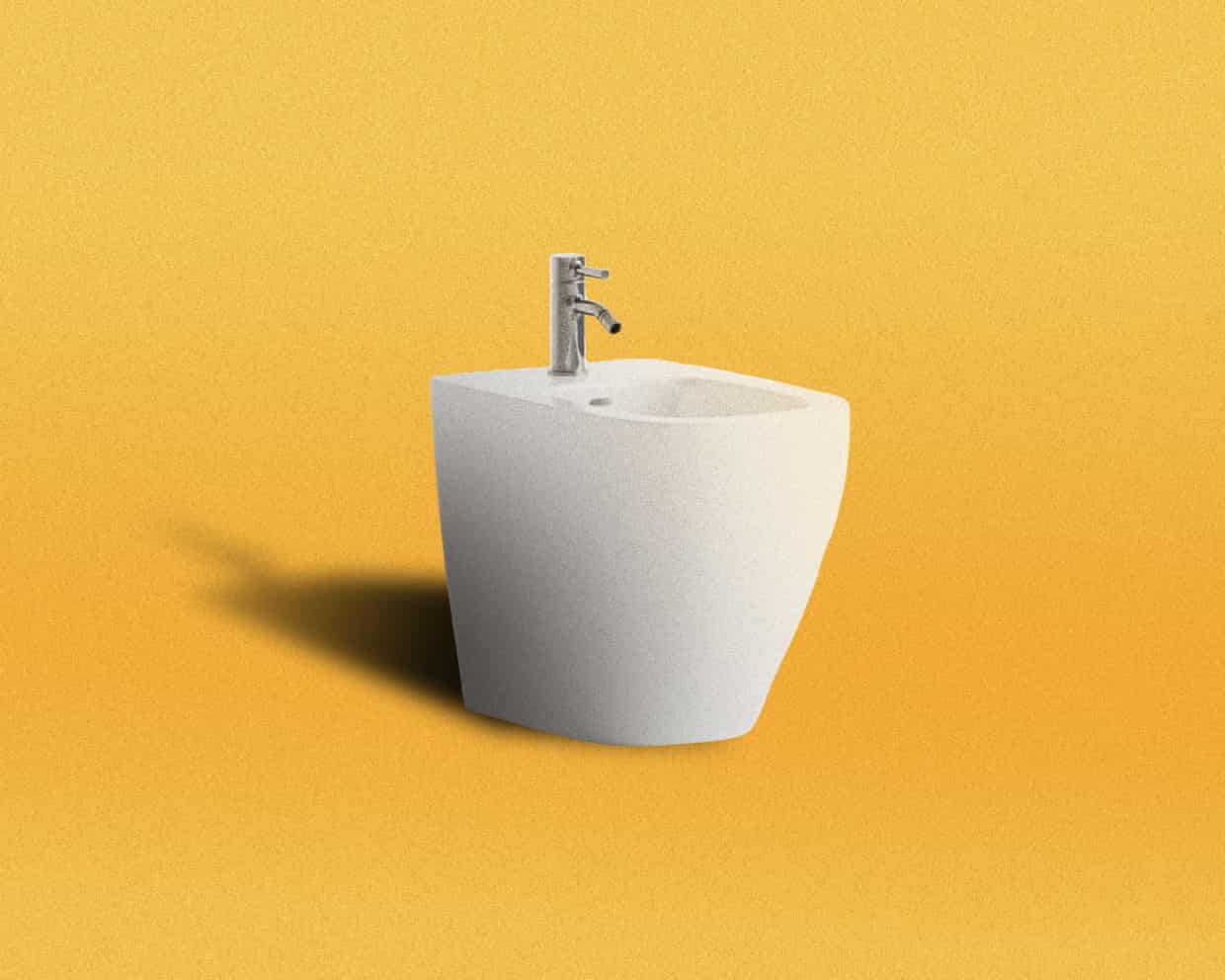
New York City’s Mayor, Zohran Mamdani, and his wife, Rama Duwaji, aim to normalize bidet use in the United States by installing these fixtures in their official residence, Gracie Mansion. This move could mark a significant cultural shift in toilet hygiene practices across the nation, where bidets are not yet commonplace.
The bidet, known as a “shattaf” in Arabic and colloquially referred to as a “bum gun,” is standard in many countries, including Egypt. In Egypt, every home and public restroom is equipped with a device for cleaning after using the toilet, reflecting a cultural norm that contrasts sharply with American practices. In fact, the word “bidet” originates from a French term meaning “small horse,” referring to the position one adopts while using it.
During a recent visit to California, Eltahawy shared her excitement about the potential for bidets to become fashionable in the U.S. Thanks to Mamdani’s leadership, she believes more households will consider installing them. Mamdani, who is 34, is New York City’s youngest mayor since 1892, marking numerous milestones as its first Muslim and South Asian mayor, as well as the first born on the African continent. Duwaji, at 28, is not only the youngest first lady of New York City but also the first Generation Z and Muslim first lady.
The couple’s influence extends beyond personal choices. Their public lifestyle is scrutinized, celebrated, and sometimes criticized, particularly by political opponents. Karoline Leavitt, White House Press Secretary, has labeled Mamdani a communist in an apparent attempt to undermine his progressive agenda. Critics may argue that promoting bidets equates to imposing a foreign cultural standard; however, Eltahawy champions their practicality and hygiene benefits.
The journey to bidet acceptance in the U.S. has been slow, even amid the COVID-19 pandemic, which prompted toilet paper shortages. During this time, the demand for bidets surged, yet widespread adoption is still lacking. Eltahawy recalls the cultural shock she experienced when moving from Cairo to London in 1975, where the absence of bidets left her family horrified. They resorted to using a watering can to maintain their hygiene standards.
This perspective highlights the broader implications of personal hygiene practices and cultural differences. The push for bidets, led by Mamdani and Duwaji, reflects a desire for improved sanitation and comfort in American bathrooms. As they embrace their identities and cultural heritage, they also pave the way for new bathroom norms.
Ultimately, Eltahawy encourages everyone to consider the benefits of bidets and similar devices. She asserts, “Wash your ass! Install that bidet, bum gun or shattaf. You’ll thank me later.” This call to action resonates with her experiences and hopes for a future where cleanliness is prioritized, regardless of cultural origin.