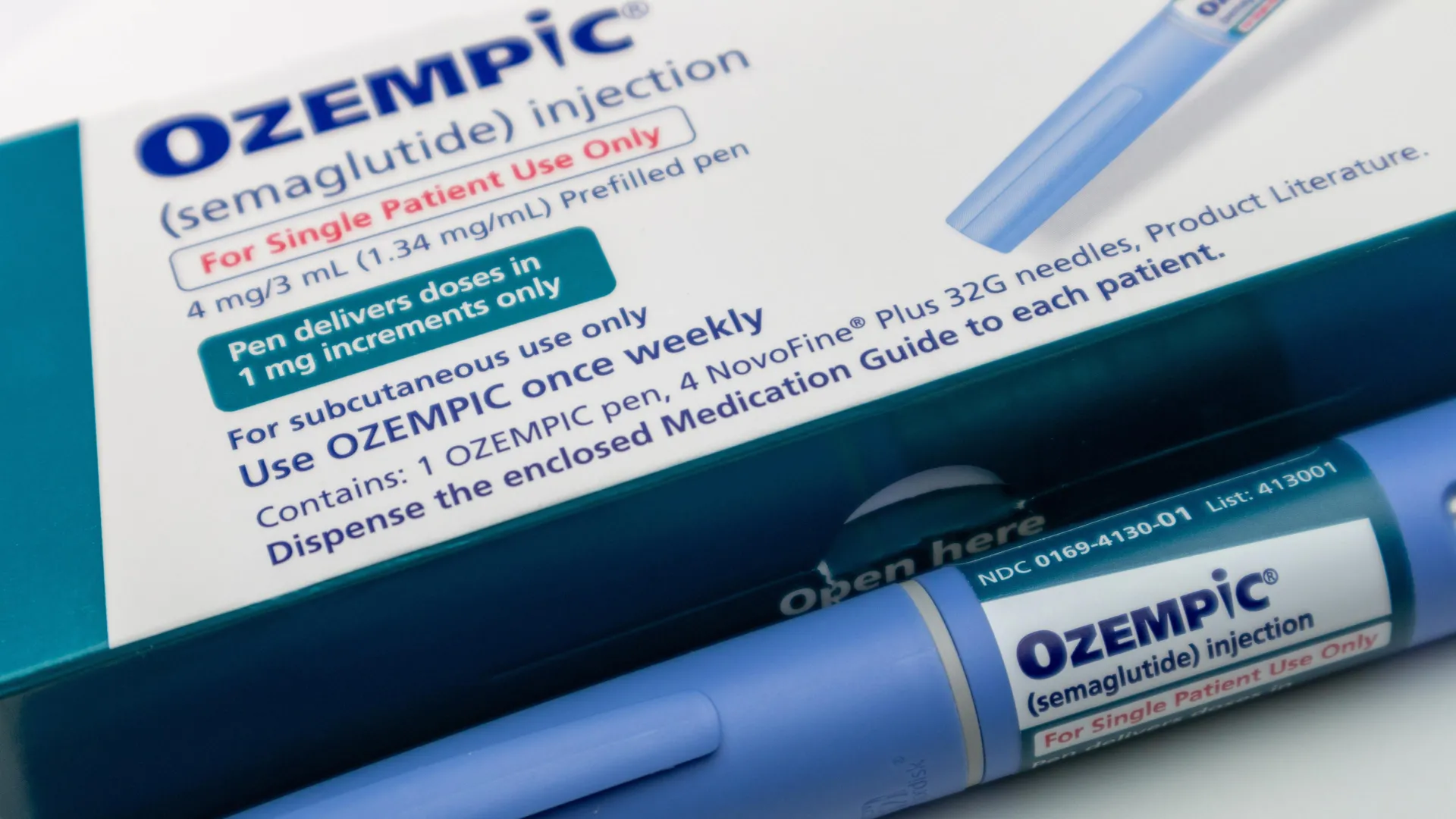
Recent research highlights a significant shift in American food spending patterns linked to weight-loss medications such as Ozempic and Wegovy. A study conducted by Cornell University reveals that households using these appetite-suppressing drugs reduced their food expenses markedly, including a decrease in grocery bills by over 5% within six months. This trend is particularly pronounced among higher-income households, where grocery spending dropped by more than 8%.
The study, published in the Journal of Marketing Research, analyzed data from tens of thousands of U.S. households to draw connections between the use of GLP-1 receptor agonists and changes in food purchasing behavior. Initially developed for diabetes management, these medications are now widely adopted for weight loss, resulting in a notable impact on consumer habits beyond just weight reduction.
Declines in Grocery and Restaurant Spending
According to the findings, households utilizing GLP-1 medications experienced a clear pattern of reduced spending. Within six months, grocery expenditures decreased by an average of 5.3%, while expenditures at fast-food and limited-service restaurants fell by approximately 8%. For those who continued using the medication, the trend persisted for at least a year, albeit with diminishing reductions over time. As noted by Sylvia Hristakeva, an assistant professor of marketing at Cornell, “The data show clear changes in food spending following adoption.”
The research methodology was robust, utilizing actual transaction data from Numerator, a market research firm. This firm tracks grocery and restaurant purchases for a panel of around 150,000 households, providing a more accurate representation of consumer behavior compared to previous studies that relied on self-reported data.
Significant Shifts in Food Purchases
The study highlighted that not all food categories were affected equally. The most significant reductions occurred in ultra-processed, high-calorie foods often associated with cravings. Spending on savory snacks plummeted by about 10%, with similar declines seen in sweets, baked goods, and cookies. Basic items like bread, meat, and eggs also saw drops in purchases. In contrast, only a few categories experienced slight increases, notably yogurt and fresh fruit.
“The main pattern is a reduction in overall food purchases,” Hristakeva stated. “Only a small number of categories show increases, and those increases are modest relative to the overall decline.”
The implications of these findings extend beyond individual consumer habits. The sharp decline in spending at fast-food chains and coffee shops suggests that if the use of GLP-1 medications continues to rise, food manufacturers and restaurants may need to reassess their strategies. Potential changes could include adjustments to package sizes, product formulations, and marketing approaches to adapt to evolving consumer preferences.
For policymakers and public health experts, the research contributes to ongoing discussions regarding the potential of medical treatments to influence dietary behaviors. The outcomes raise important questions about whether biological changes in appetite can effectively promote healthier eating habits, particularly when traditional interventions like food taxes and nutrition labels have faced challenges in creating lasting dietary improvements.
Overall, the study underscores a transformative moment in the intersection of healthcare and consumer behavior, illustrating how medications like Ozempic and Wegovy are reshaping the American food landscape.